Post-inflammatory hyperpigmentation (PIH) acne scars can be a bothersome aftermath of acne. These dark patches surface in areas where acne once resided. The overproduction of melanin causes PIH, our skin's natural pigment, as a response to the inflammation accompanying acne. PIH acne scars are a common concern, especially after battling acne. These scars appear as dark patches on the skin where acne used to be. They result from an excess production of melanin, the pigment responsible for skin color, during the inflammation caused by acne. Let's dive into the world of PIH acne scars and discover effective ways to address them.
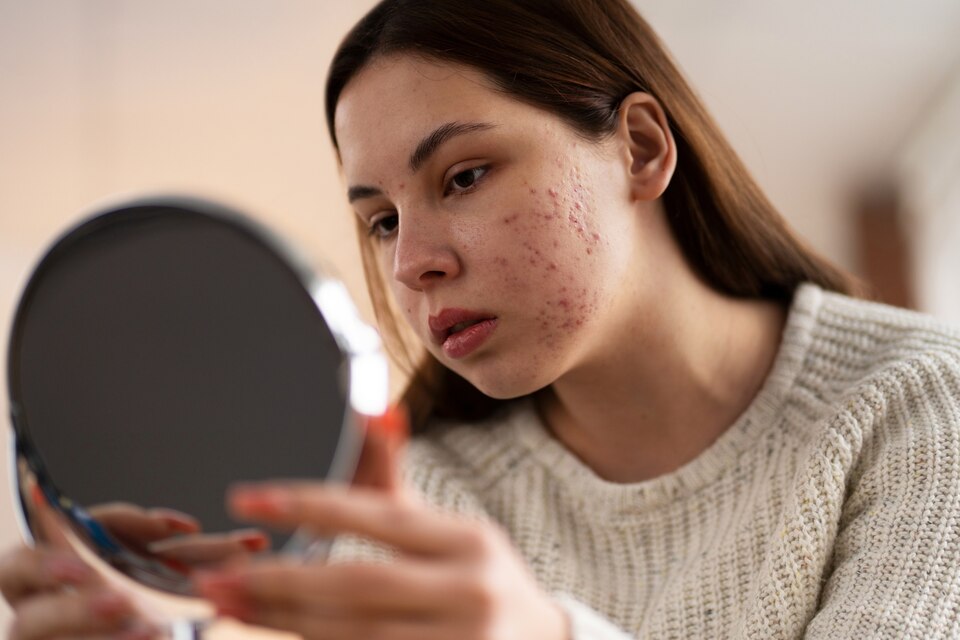
Understanding PIH Acne Scars
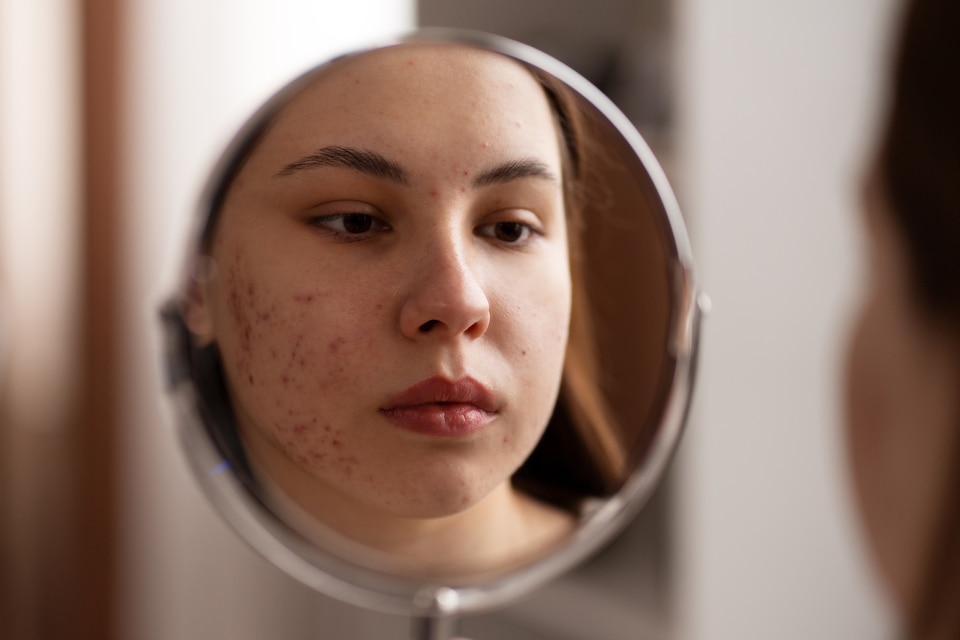
PIH acne scars are discolored patches that develop after acne lesions have healed. Typically, these scars are dark brown or black but can also manifest as red or pink marks. It's essential to note that PIH acne scars differ from other types of acne scars that affect skin texture or create indentations.
What Triggers PIH Acne Scars?
PIH acne scars are a consequence of the inflammation accompanying active acne. When a pimple is red and swollen, the skin responds by ramping up melanin production, a natural defense mechanism against further harm. However, once the acne heals, this excess melanin remains, manifesting as PIH acne scars on the skin's surface.
Effective Strategies for Treating PIH Acne Scars
-
Sunscreen Is a Must: A high-SPF sunscreen protects your skin from the sun's harmful rays. Sun exposure can exacerbate PIH acne scars, making them darker. Make a habit of applying sunscreen daily, even on cloudy days.
-
Embrace Niacinamide: Niacinamide, or vitamin B3, is a potent ingredient for reducing skin hyperpigmentation. Opt for skincare products containing niacinamide to help lighten PIH acne scars.
-
Harness AHAs and BHAs: Alpha Hydroxy Acids (AHAs) like glycolic acid and Beta Hydroxy Acids (BHAs) such as salicylic acid are excellent choices for exfoliating the skin's top layer. They aid in diminishing the appearance of PIH acne scars and encourage the growth of fresh skin cells.
-
Explore Vitamin C Serums: Vitamin C serums are a valuable addition to your skincare routine as they fade PIH spots and enhance overall skin brightness.
-
Embrace Retinoids: Incorporate retinoids, like retinol, into your skincare regimen to accelerate skin cell turnover and reduce PIH acne scars. These products also promote collagen production for healthier-looking skin.
-
Hands Off: Avoid popping pimples to prevent exacerbating inflammation and damaging skin tissue, which can lead to more PIH acne scars.
-
Seek Dermatologist Advice: If your PIH acne scars are severe or unresponsive to over-the-counter products, consulting a dermatologist is advisable. Dermatologists can prescribe stronger treatments or procedures, such as chemical peels or lasers.
PIH acne scars can be a persistent issue, but you can overcome them with dedication and the right treatments. Prioritize sun protection, choose suitable skincare products, and don't hesitate to seek professional assistance. Your skin can regain its radiance with consistent care, free from PIH acne scars.