Delayed sleep phase syndrome (DSPS) falls into the category of circadian rhythm sleep disorders, which cause difficulty in falling asleep at the appropriate bedtime. Instead, their sleep is delayed, typically by two hours or more, even though they may feel tired at that time.
This delay results in difficulties for sufferers to wake up on time for work or school. A simple example of delayed sleep phase syndrome is when someone goes to bed at midnight (which should be at 10 PM) and then struggles to wake up in the morning, for example, at 6 AM to go to work or school.
Symptoms
Delayed sleep phase syndrome often occurs in teenagers and young adults, but people of all ages can experience it. Those with this condition find it difficult to sleep at conventional times. However, the duration and quality of sleep are not affected. The majority of people with DSPS experience difficulties such as:
1. Difficulty Falling Asleep
The body's internal clock signals for sleep are delayed, causing someone to stay awake for several hours after midnight.
2. Difficulty Waking Up
The body's internal clock does not provide strong wake-up signals, causing them not to wake up at the expected times as others do.
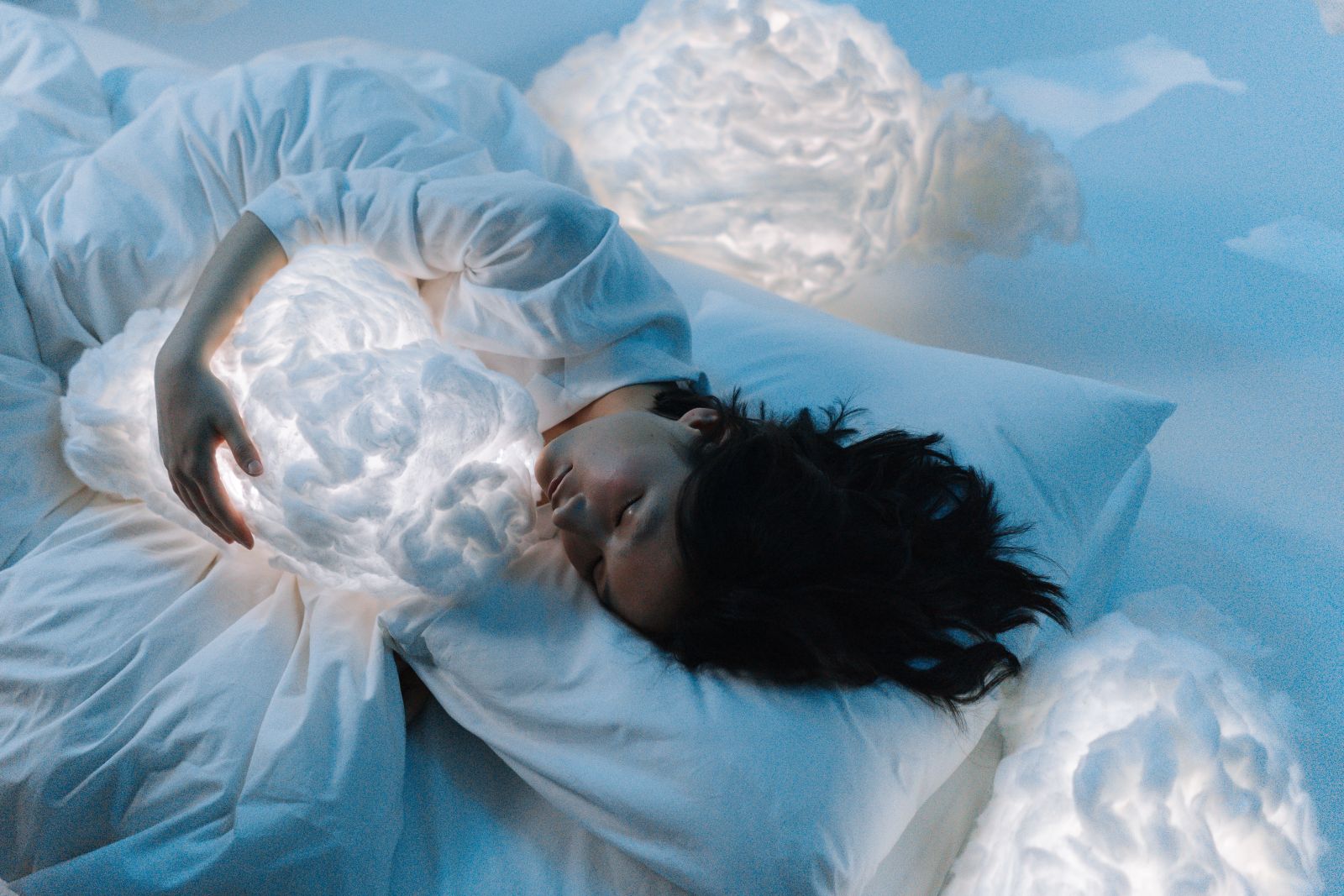
People with delayed sleep phase syndrome have difficulty falling asleep and waking up.
Causes
Delayed sleep phase syndrome is caused by a mismatch between a person's natural sleep-wake schedule (circadian rhythm) and the expected schedule. This is controlled by the body's internal clock, which uses light and dark signals to regulate when it's time to sleep and when it's time to wake up.
In people with DSPS, the response to these signals is delayed. Some causes include:
- Irregular sleep or work schedules
- Jet lag
- Sleep disorders that make it difficult for someone to fall asleep
- Prolonged lack of exposure to sunlight
- Blindness
- Brain damage due to disease or injury
- Certain medications
- Genetics
Delayed Sleep Phase Syndrome is Not the Same as Being a Night Owl
Delayed sleep phase syndrome is not the same as being a "night owl." Those who are night owls may choose to stay up late, for example, to complete tasks or work, leading them to wake up later than usual. When their routine returns to normal, they can adjust their sleep schedule accordingly.
In contrast, people with DSPS don't intend to stay awake late; it's their internal body clock that sends late signals. This happens even though the body is already tired. Due to the difficulty in adjusting this body clock, they find it challenging to sleep and wake up at normal times.
Diagnosis
Sometimes, someone may force themselves to sleep and wake up according to a normal routine. Therefore, they are often diagnosed with insomnia rather than DSPS. In addition to assessing the medical history, several examinations can be conducted to diagnose delayed sleep phase syndrome, including:
- Sleep log: someone is asked to record when they fall asleep and wake up every day.
- Actigraphy: someone wears a device on their wrist to track their sleep-wake patterns.
- Polysomnogram: someone undergoes an overnight sleep test to monitor brain waves and heart rate.

Sleep log will help you keep track of your sleep and wake up times every day.
Treatment
The treatment process for delayed sleep phase syndrome is called chronotherapy. The goal of this treatment is to correct a person's sleep-wake cycle through various approaches. The treatment plan will be discussed and tailored between the doctor and the person with DSPS, such as:
- Advancing the internal clock: trying to sleep and wake up 15 minutes earlier, so that the sleep pattern gradually changes over several days
- Delaying the internal clock: delaying bedtime by 1 to 2.5 hours every 6 days until achieving a suitable sleep pattern
- Melatonin: taking melatonin supplements to help regulate circadian rhythms and sleep patterns
- Light therapy: sitting near a bright lamp or window for 30 minutes after waking up to stimulate melatonin production
- Applying good sleep hygiene
So, delayed sleep phase syndrome is a type of sleep disorder in which someone has difficulty sleeping at night, resulting in them waking up late. They sleep and wake up at abnormal times compared to others, and it's not caused by them intentionally staying up late. What do you usually do, Ladies, when you have difficulty sleeping?
Hey, grab the Fitie app now for cool tips and other fun stuff!