1. Misalignment of Circadian Rhythms
Circadian rhythms act as biological clocks and record everything the body does over a 24-hour period. This system uses light, darkness, and biological clocks to regulate body temperature, metabolism, hormones, and sleep. However, in some cases, the body's internal clock is not synchronized with its environment, causing a person to be unable to sleep even though their body is tired.
An example trigger is when someone experiences jet lag, which makes it difficult for them to adjust their sleep schedule to a different time zone. Additionally, this can also occur when someone has shifting work schedules every week. All these factors can cause a person to feel tired during the day and have difficulty waking up.
2. Stress Causing Sleeplessness
During times of stress, the body releases cortisol (stress hormone) in excess amounts. If melatonin works to make someone sleepy, cortisol acts in the opposite way, keeping someone awake, so they cannot sleep even though they want to. This condition, for some people, may be unavoidable.
Triggers can come from anywhere, such as excessive workload, relationship problems, or social pressure. Therefore, the strategy to manage stress is to reflect on the triggers, make plans to address the root of the problem, and take action. When stress levels decrease, the sleep schedule gradually improves.

Manage stress to help improve sleep quality
3. Poor Sleep Hygiene
Sometimes, what someone does throughout the day and leading up to bedtime can affect the body's natural sleep-wake cycle. Not being able to sleep at night can be caused by several factors, such as caffeine consumption, low physical activity, eating heavy meals close to bedtime, or excessive screen time. Implementing good sleep hygiene is the main way to overcome this.
4. Mental Health Problems and Chronic Diseases
The mental health conditions experienced by someone can make it difficult for them to fall asleep, one of which is due to high cortisol production. Examples include anxiety, depression, post-traumatic stress disorder (PTSD), attention-deficit/hyperactivity disorder (ADHD), bipolar disorder, seasonal affective disorder, schizophrenia, and substance use disorders.
In addition to mental health, chronic diseases can also cause someone to have difficulty sleeping. Those with chronic diseases (experiencing pain lasting more than 3 months), such as pain itself, back pain, neck pain, often complain of sleep disturbances, and this also works the other way around, where lack of sleep can cause chronic pain.
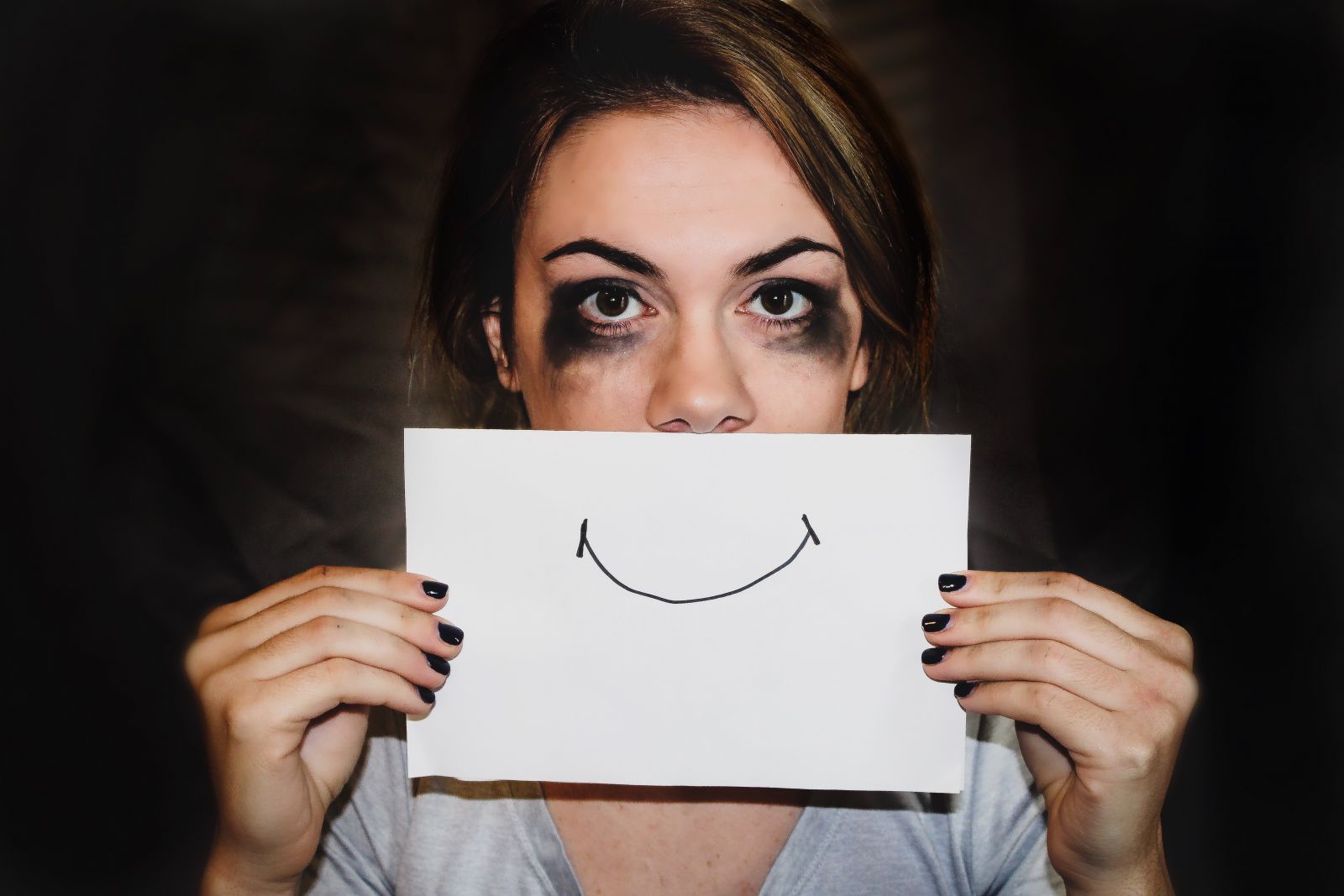
Mental health problems can make it difficult for someone to sleep
5. Menstrual Cycle, Menopause, and Pregnancy
Hormonal changes during the menstrual cycle, menopause, and pregnancy can affect the sleep cycle. Increases in estrogen and progesterone levels can cause drowsiness and daytime fatigue, while decreases can make it difficult for someone to sleep or not sleep at all. To overcome this, consult with a doctor regarding recommendations for medications or melatonin supplements.
So, there are several reasons why someone cannot sleep even though they want to, including misalignment of circadian rhythms, stress, poor sleep hygiene, mental health problems, chronic diseases, and menstrual cycle, menopause, and pregnancy. Now that we know the causes, it's time to address the root of the problem. Ladies, what do you usually do to fall asleep quickly?
Hey, grab the Fitie app now for cool tips and other fun stuff!