"Fried Rice Syndrome" or "fried rice syndrome" is food poisoning caused by improper fried rice processing methods. This condition is a result of the growth of the Bacillus cereus bacteria, a toxin-producing bacterium commonly found in soil, the environment, vegetables, raw food, and processed food.
Improper Processing Methods
You might wonder, how can bacteria grow in fried rice? The main issue is that many people cook the rice first and then often let it cool at room temperature before further processing. The extended waiting time, whether for hours or overnight, provides an opportunity for bacteria to contaminate and multiply exponentially.
Doesn't heating eliminate bacteria? Unfortunately, Bacillus cereus is heat-resistant and not easily destroyed during cooking. This means that even if the rice has undergone processing, the potential for fried rice syndrome remains when reheating, as the bacteria are not killed.
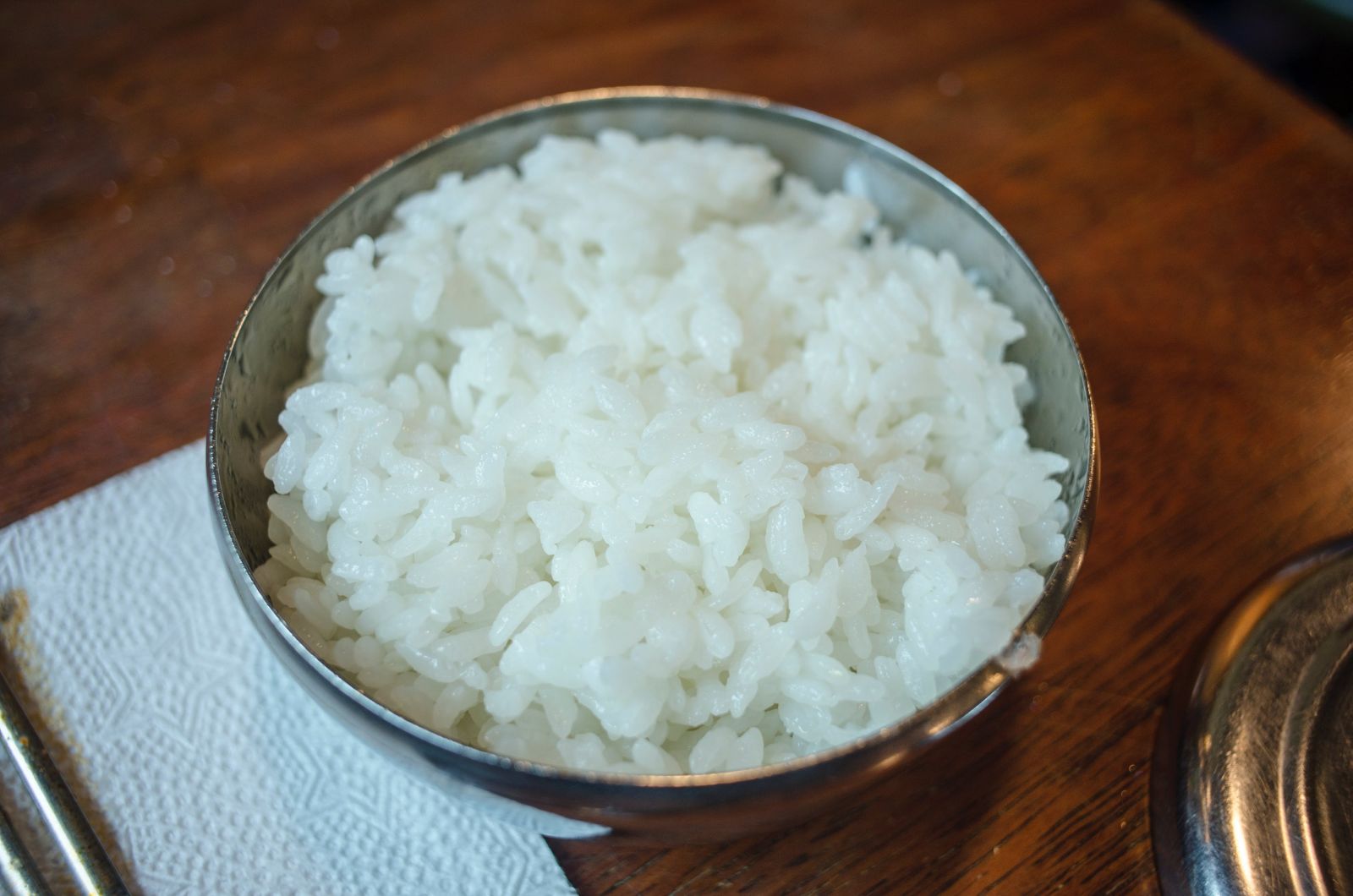
Avoid letting cooked rice sit at room temperature for hours.
Read also :
Symptoms
Bacillus cereus produces two types of toxins, each causing different diseases, and the symptoms depend on when the toxin is released (either inside the body after consumption or on the food before consumption). Here are the symptoms of fried rice syndrome:
1. First toxin (inside the body)
Released in the small intestine after ingestion. Symptoms include diarrhea, cramps, and sometimes nausea. Typically, symptoms start 6 to 15 hours after consuming contaminated food and subside after 1 day.
2. Second toxin (on the food)
Released on food by bacteria before consumption. Symptoms include vomiting and nausea within 30 minutes to 6 hours after consuming contaminated food, subsiding after 1 day.
Diagnosis and Treatment
Anyone can experience fried rice syndrome. The bacteria can be detected by testing vomit or stool samples of food poisoning victims, then matching the results with samples from known contaminated food sources or bacteria known to cause the disease.
Most cases of fried rice syndrome can resolve on their own. Victims only need to rest and increase fluid intake, especially if vomiting or diarrhea is frequent. On the other hand, complications may arise if those affected have weakened immune systems, surgical wounds, or use intravenous medications.
Preventing Bacillus cereus Contamination
Because Bacillus cereus is heat-resistant, it is recommended to keep food out of the "danger zone" temperature range where bacteria thrive (hot food maintained at 57ºC or higher, and cold food at 5ºC or lower). Here is a more detailed guide from the Singapore Food Agency:
- Avoid letting food be in the danger zone temperature range (5ºC to 60ºC).
- Cook fried rice until well-done and reaches a minimum temperature of 75ºC before consumption.
- If cooked rice is not processed immediately, store it at a temperature below 4ºC (freezer temperature).
- Practice good hygiene, such as washing hands before and after touching raw and cooked food, and clean all surfaces that come into contact with food.
- Consume food immediately after cooking and avoid letting it sit at room temperature.
 Cook fried rice until it reaches a minimum temperature of 75ºC before consumption.
So, fried rice syndrome is a case of food poisoning caused by consuming contaminated fried rice with the toxic bacterium Bacillus cereus. This bacterium can release its toxin in food or inside the body. Preventing this case involves avoiding food in the danger zone temperature range and practicing good hygiene.
Let's download Fitie App for more interest information !
Read also :