Pancreatic cancer occurs when the cells in the pancreas undergo changes, or mutations. As a result, the cells proliferate uncontrollably and form tumors. The pancreas is a 6-inch long organ shaped like a pear. It is located between the spine and the abdomen.
This organ has two main tasks in the body. The first is to produce enzymes that aid in digesting food. These enzymes are produced by the exocrine cells of the pancreas. The second is to produce insulin hormone, which plays a crucial role in helping control blood sugar levels. This hormone is produced by the endocrine cells of the pancreas.
Symptoms
There are 2 types of pancreatic cancer, which begin with exocrine tumors and neuroendocrine tumors. Symptoms usually do not appear when new cells start to mutate, but they will manifest when the tumor begins to affect other organs in the digestive system, rarely detected early. These symptoms include:
-
Yellowing of the skin (jaundice)
-
Dark urine
-
Pale stools
-
Upper abdominal and back pain
-
Fatigue
-
Itchy skin
-
Nausea and vomiting
-
Bloating
-
Loss of appetite
-
Weight loss
The cause
The cause of pancreatic cancer is unknown, much like other cancers. However, there are several factors that can increase the risk of its occurrence, such as smoking habits, obesity, type 2 diabetes, exposure to chemicals (pesticides and petrochemicals), pancreatitis (chronic or hereditary), mutations in the BRCA1 or BRCA2 genes, and certain hereditary conditions.
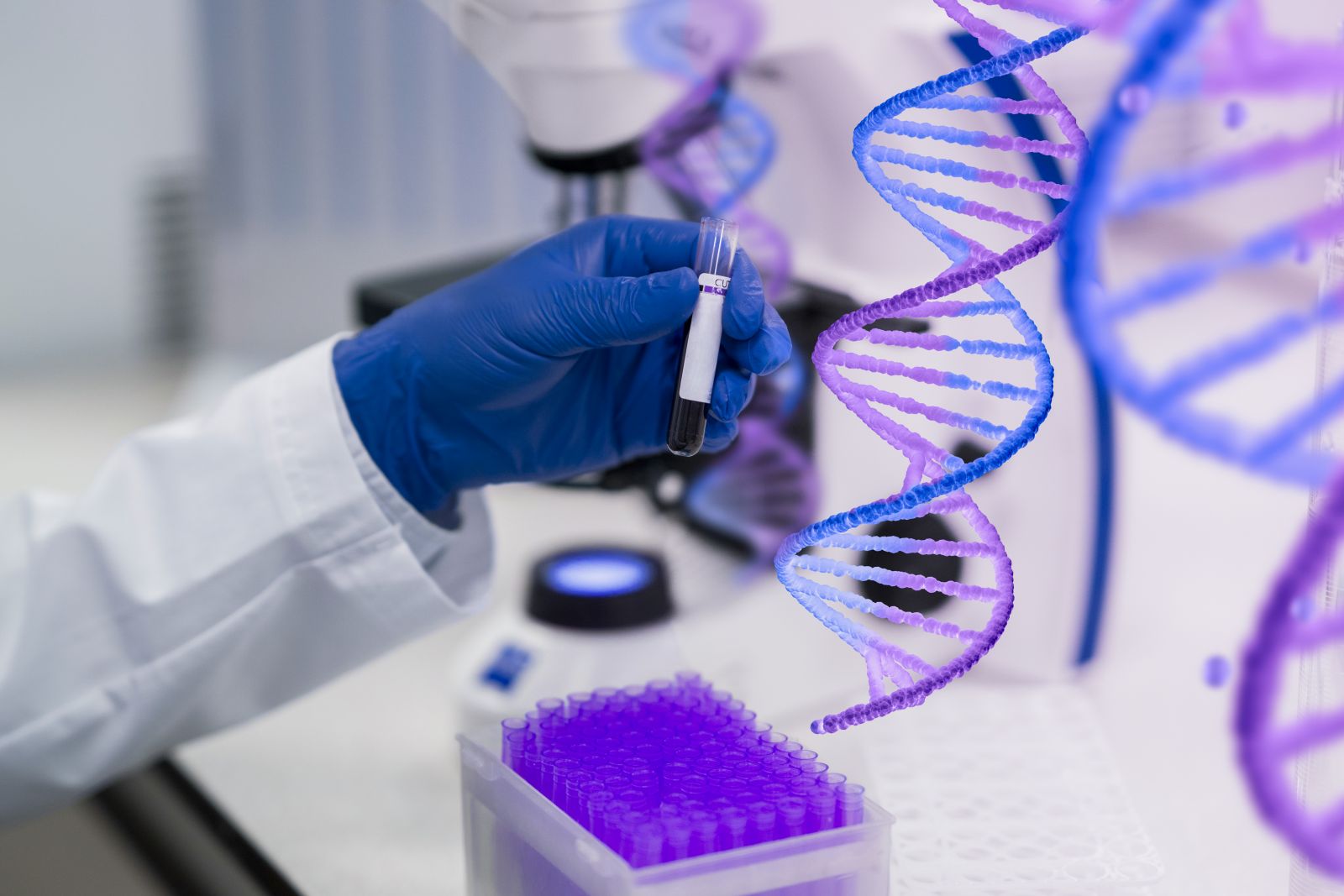
The exact cause of pancreatic cancer is unknown
Diagnose
As previously mentioned, pancreatic cancer is very rarely detected at an early stage. This is because the pancreas cannot be felt through physical examination, and it is difficult to detect it through imaging tests. Therefore, examination needs to be done in combination, which may include:
-
Imaging tests: CT scan, MRI, PET, abdominal ultrasound, and endoscopic ultrasound (EUS)
-
Blood tests: testing for levels of carbohydrate antigen (CA) 19-9
-
Laparoscopy: determining the extent of cancer cell spread and whether surgery can be performed
-
Biopsy: taking a small sample of tissue to examine it under a microscope
-
Genetic testing: when there are other family members, especially first-degree relatives, who have pancreatic cancer.
Treatment
Realistic treatment for pancreatic cancer involves surgical removal of cancerous cells, which must be performed based on a doctor's assessment, and cancer is confined to the pancreas only. Additionally, other treatments commonly performed are chemotherapy and radiotherapy either before or after surgery.
If done before surgery, its function is to shrink the tumor. If done after surgery, its function is to kill any remaining cancer cells. Finally, there is also what is called targeted therapy. This treatment uses specific drugs that target certain proteins that control the growth and spread of cancer cells.

Realistic treatment of pancreatic cancer is surgery
So, pancreatic cancer occurs when there are mutations in the cells in the pancreas organ. Symptoms are often undetected in the early stages and only become apparent when cancer cells have spread, some of them are jaundice, dark urine, pale stools, upper abdominal and back pain, thus leading to weight loss. Is it clear now, Ladies? Let's give it a like!
Hey, grab the Fitie app now for cool tips and other fun stuff!