Japanese encephalitis (JE) is an inflammatory brain disease caused by flavivirus. This virus is transmitted by mosquitoes and belongs to the same genus as the dengue virus. The disease often affects children, but it can potentially affect anyone. The first cases were documented in Japan in 1871.
Transmission of Japanese Encephalitis
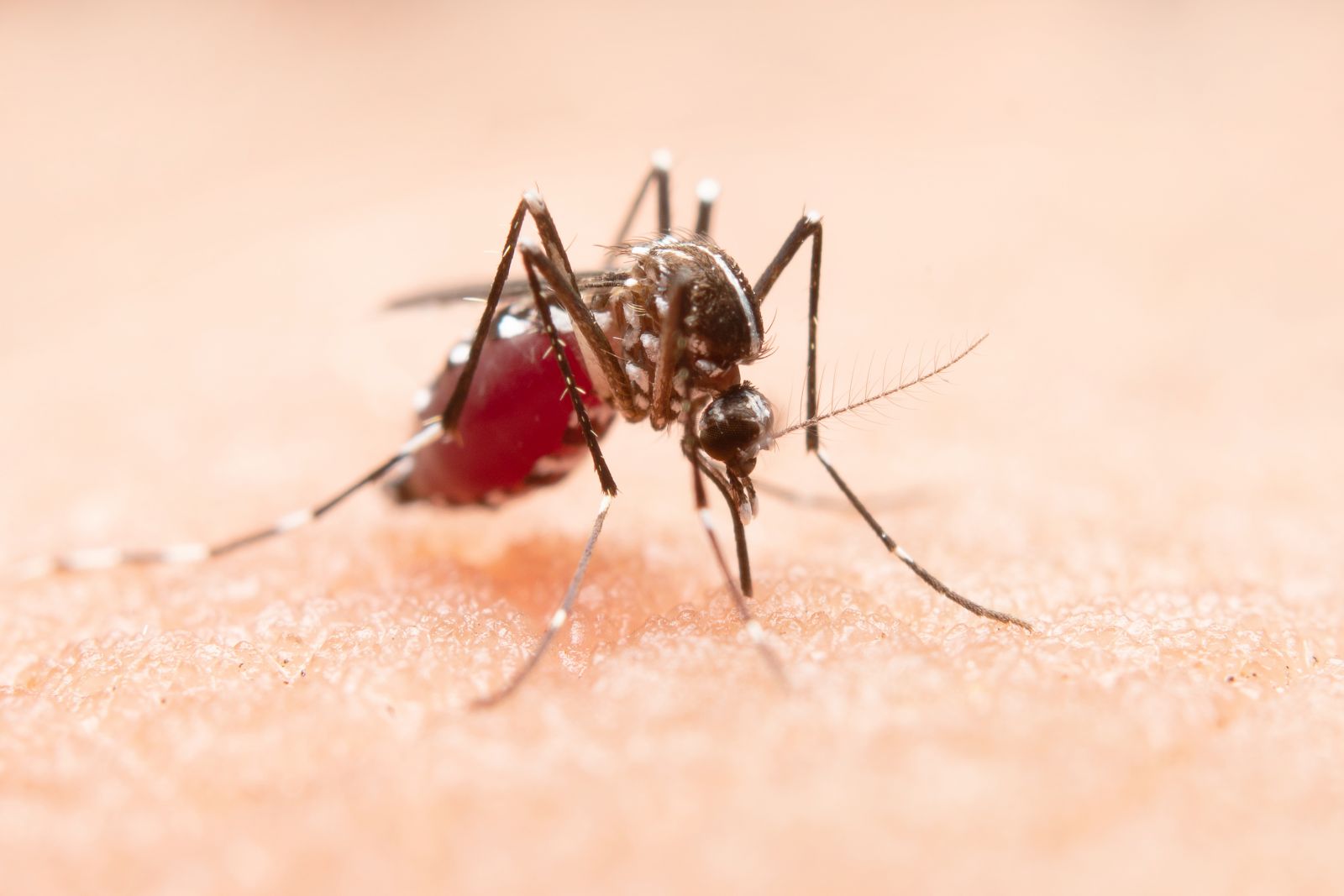
Japanese encephalitis is transmitted to humans through bites from infected mosquitoes, especially the Culex species, particularly Culex tritaeniorhynchus. The virus usually circulates between mosquitoes and pigs or wading birds, with humans being an unintentional or dead-end host. Transmission mainly occurs in rural agricultural areas.
The spread of Japanese encephalitis is seasonal, but in tropical climates, transmission can occur throughout the year, peaking during the rainy season. According to the Centers for Disease Control and Prevention, the virus is widespread in Indonesia throughout the year, with peak seasons varying depending on the island. Nevertheless, the risk exists almost on all islands.
Symptoms
The majority of Japanese encephalitis cases are asymptomatic or exhibit mild symptoms, but 1 in 250 cases may experience severe conditions. In those showing symptoms, the virus usually has an incubation period (time from infection to symptom onset) ranging from 5 to 15 days. The progression of symptoms includes:
- Early stage: headache and vomiting
- Next few days: changes in mental status, neurological symptoms, weakness, and movement disorders, including seizures (especially in children)
- End stage: death (20 to 30% of cases)
There is a chance of symptoms improving, but 30 to 50% of survivors experience lingering symptoms, involving cognitive, behavioral, or permanent neurological issues such as paralysis, recurring seizures, or speech impairment, to psychological problems.
Diagnosis
Some at-risk countries include Australia, Bangladesh, Bhutan, Brunei Darussalam, Burma, Cambodia, China, India, Indonesia, Japan, Laos, Malaysia, Nepal, North Korea, Pakistan, Papua New Guinea, the Philippines, Russia, Singapore, Taiwan, Thailand, Timor-Leste, and Vietnam. Pay attention to symptoms that may arise after traveling to these regions, allowing for Japanese encephalitis laboratory testing.
Treatment
There is no specific treatment for Japanese encephalitis, but care is typically provided to alleviate symptoms and stabilize the patient's condition. On the other hand, protection from Japanese encephalitis involves getting the JE vaccine. In Indonesia, JE immunization is currently being added to routine programs in endemic areas.
To reduce the risk of transmission, anyone traveling to JE-endemic areas, regardless of vaccination, should take personal preventive measures, including the use of mosquito repellent lotions, mosquito coils, mosquito sprays, and wearing long-sleeved clothing.

So, Japanese encephalitis is a brief overview of a brain inflammation disease caused by a virus. The disease is transmitted from mosquitoes to humans through bites. To prevent it, one should get vaccinated and take personal preventive measures when traveling to endemic areas. Anything else you'd like to know, Ladies?
Let's download Fitie for more information !