Hemorrhoids (piles) are swelling or enlargement of the veins located in the anus and rectum. Anyone can experience it, but typically, the disease takes time to develop until symptoms are felt. There are several types of hemorrhoids distinguished based on the location of the swelling, including:
-
External: Swollen veins occur beneath the skin around the anus. This type of hemorrhoids often feel itchy and painful, and sometimes bleed.
-
Internal: Swollen veins occur inside the rectum (the lower part of the large intestine). This type of hemorrhoids often bleed but do not cause pain.
-
Prolapsed: Occurs when internal and external hemorrhoids stretch and protrude outside the anus, causing bleeding and pain.
Symptoms
Hemorrhoids generally can disrupt daily activities, such as sitting or walking. If experiencing internal hemorrhoids, the symptoms are usually not felt, but blood may be seen on toilet tissue, toilet bowl, or chair. Meanwhile, if experiencing external hemorrhoids, pain is typically present. Other symptoms of external hemorrhoids include:
-
Itching or pain in the anus, especially when sitting
-
Hard lumps near the anus that feel sore and painful when pressed
-
Bleeding in the rectum
Causes
Hemorrhoids can be caused by anything that creates tension in the abdomen or lower extremities. This condition is more commonly experienced by individuals over 50 years old, but teenagers and children can also be affected. However, there are factors that increase one's risk, namely:
-
Overweight or obesity
-
Pregnancy
-
Low intake of fiber-rich foods
-
Chronic diarrhea or constipation
-
Sedentary lifestyle
-
Lifting heavy objects habitually
-
Prolonged sitting (especially on the toilet)
-
Straining too hard during bowel movements
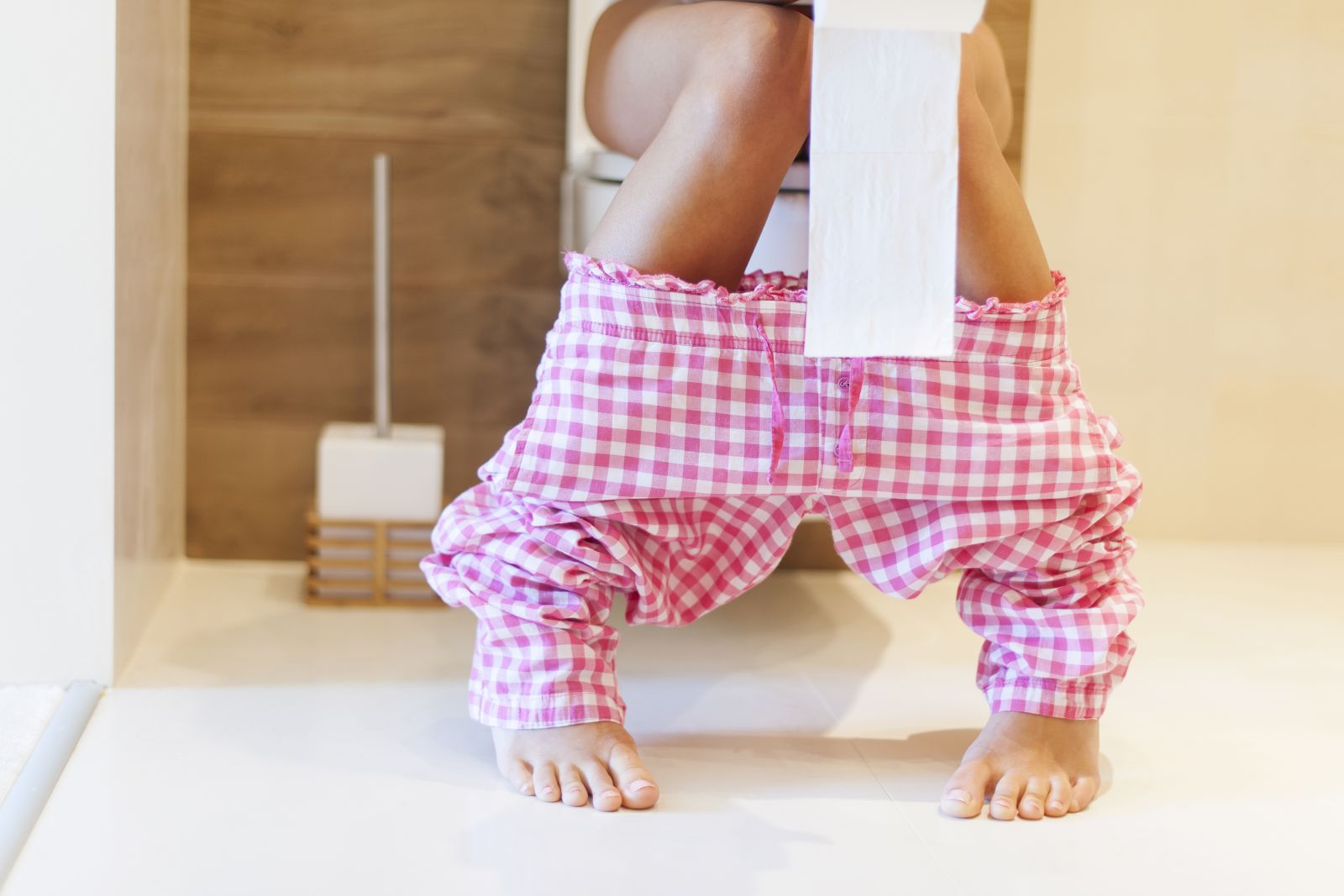
Avoid sitting too long or straining too hard if you don't want to get piles.
Diagnose
Diagnosis of hemorrhoids is performed through physical examination and assessment of symptoms. Additionally, there are other examinations that can be conducted to strengthen the diagnosis, namely:
-
Digital rectal examination: using gloves, a finger is inserted into the rectum to feel for swelling in the blood vessels.
-
Anoscopy: using an anoscope (illuminated tube), the lining of the anus and rectum will be examined.
-
Sigmoidoscopy: using a sigmoidoscope (lighted and camera-equipped tube), the lower part of the large intestine and rectum will be examined.
Treatment
Hemorrhoids often disappear on their own without the need for any treatment, and the current condition is not yet considered a serious problem. However, some individuals may experience symptoms of bleeding or pain for a week or even longer. When this occurs, several strategies that can be undertaken include:
-
Using topical medications containing lidocaine or hydrocortisone.
-
Increasing water intake.
-
Taking nonsteroidal anti-inflammatory drugs (NSAIDs) to relieve pain and inflammation.
-
Increasing dietary fiber intake or taking supplements.
-
Applying cold compresses.
-
Soaking in warm water for 10 to 20 minutes per day (sitz bath).
-
Using moist wipes, lotion-coated toilet tissue, or wet washcloths to pat and clean the buttocks after bowel movements.
-
Taking stool softeners to soften stools.
When hemorrhoid symptoms do not improve after trying self-care treatments at home or when the swelling does not heal, recur, or worsen, then the sufferer may need treatment, such as:
-
Rubber band ligation (placing small rubber bands around the base of the hemorrhoids to cut off blood supply to the blood vessels)
-
Electrocoagulation (passing electric current to stop the blood flow to the hemorrhoids)
-
Infrared coagulation (using heat to eliminate hemorrhoids)
-
Sclerotherapy (injecting chemicals to destroy hemorrhoid tissue)
-
Hemorrhoidectomy (surgery)
Prevention of Piles
-
Don't sit on the toilet for too long or strain too hard.
-
Go to the toilet when you really need to have a bowel movement, but don't delay it either.
-
Drink more water every day.
-
Eat more sources of fiber, at least 20-35 mg/day (fruits, vegetables, grains) or supplements.
-
Regular physical activity.
-
Maintain an ideal body weight.

Ensure your daily fiber needs are met to prevent piles
Hemorrhoids are swellings or enlargements of the veins located in the anus and rectum. This condition can be caused by overweight, insufficient fiber intake and physical activity, constipation, lifting heavy objects habitually, prolonged sitting or squatting on the toilet, as well as straining excessively.
Hey, grab the Fitie app now for cool tips and other fun stuff!