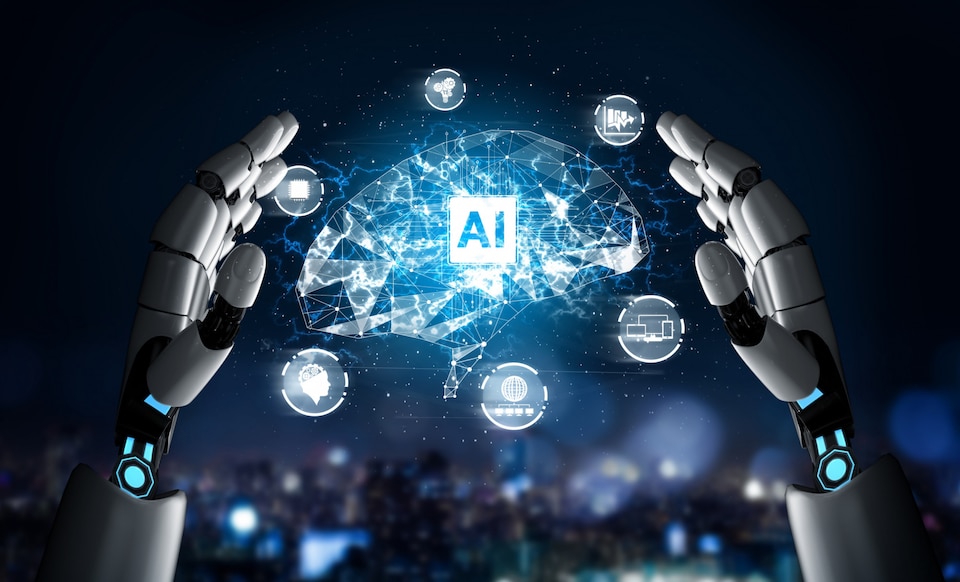
Artificial Intelligence or AI has been a major highlight in the modern technology world. Since its concept first emerged, AI has undergone rapid development, bringing significant impacts on various aspects of human life. Here, we will uncover the mysteries behind AI, delving into its origins, recent advancements, and implications for the future.
Origins of Artificial Intelligence
- The 1940s to the 1950s: The initial concept of AI emerged through the thoughts of scientists like Alan Turing and John McCarthy, who developed the idea of machines that could "think" like humans.
-
1950s to 1970s: The first era of AI, marked by the success of simple programs and experiments in the field of machine intelligence.
-
The 1980s to the 2000s: The "AI Winter" period, where major projects were halted due to technical challenges and computational limitations.
- From the 2000s to Present: Rapid advancements, especially due to the development of computing, machine learning algorithms, and big data, have propelled AI to unprecedented levels.
Types of Artificial Intelligence
-
Conventional AI: Involves systems designed to accomplish specific tasks without directly modeling human thought processes.
- Machine Learning: Algorithms that enable AI systems to learn from data and optimize their performance over time.
-
Deep Learning: A branch of machine learning that utilizes neural networks to process data and make decisions similar to the way the human brain does.
Application of AI in Daily Life
- Voice and Text Recognition: Virtual assistants like Siri and Google Assistant utilize voice and text recognition technology to interact with users.
-
Autonomous Vehicles: The development of autonomous vehicles relies on AI technology to process data from sensors and make driving decisions.
- Product and Content Recommendations: Platforms like Netflix and Amazon use AI algorithms to analyze user behavior and provide more personalized recommendations.
-
Healthcare and Diagnosis: AI is used in the development of medical diagnostic systems and health data analysis.
Read also :
The Future of AI
AI is expected to take over routine tasks, enabling humans to focus on creative work and high-level thinking. Intelligent business management systems are expected to enhance operational efficiency. In the future, AI is also expected to assist with the following:
-
Better Healthcare Services
Advancements in AI in the fields of medical diagnosis, drug development, and healthcare management. -
Education and Training
Utilization of AI in creating more adaptive and personalized learning experiences. -
Robotics and Automation
Integration of AI in robotics to enhance productivity and efficiency across various sectors.
AI has undergone an incredible journey from its initial concept to becoming a revolutionary force in the world of technology. With continuous development, ethical challenges, and security concerns, we are on the brink of an era where AI can deeply shape our future. It is important for us to understand, monitor, and embrace this technology wisely to achieve its greatest benefits. The future of AI is a story that has not been fully unfolded, and we all bear witness to the miraculous journey of artificial intelligence.
Hey, grab the Fitie app now for cool tips and other fun stuff!