Pneumonia is an infection that can affect one or both lungs. It causes the smallest air sacs (alveoli) to fill with fluid or pus, causing difficulty breathing. Pneumonia is generally caused by bacteria or viruses, and rarely fungi. Based on the mode of transmission, pneumonia can be divided into:
-
Hospital-acquired pneumonia: transmission occurs within 48 hours or more after admission to the hospital.
-
Community-acquired pneumonia: transmission occurs outside the hospital environment.
-
Ventilator-associated pneumonia: occurs in a person using a ventilator.
-
Aspiration pneumonia: occurs due to inhalation of foreign substances into the lungs from food, drink, or saliva.
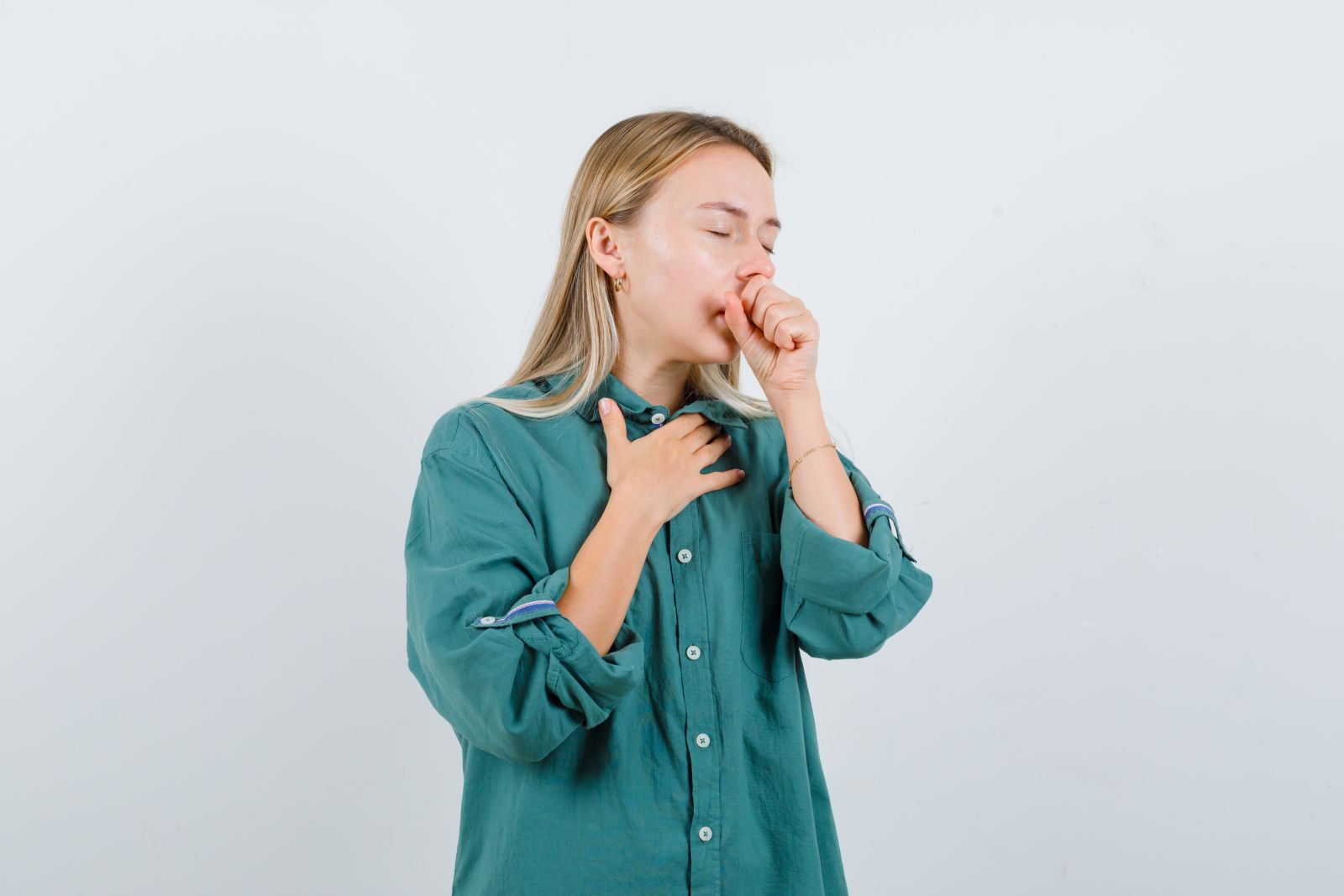
Pneumonia is an infection of the lungs caused by bacteria, viruses, or fungi.
Symptoms
Pneumonia caused by viruses and bacteria is contagious, so it can spread from person to person through airborne droplets from sneezing or coughing. In addition, it can also be spread when a person comes into contact with surfaces or objects contaminated by the bacteria or viruses that cause pneumonia. Meanwhile, if it is caused by a fungus, it is not contagious.
This lung infection is also distinguished by its impact on daily life, which is called walking pneumonia. The infection is mild and similar to a mild respiratory infection, sometimes the illness goes unnoticed, and the sufferer is still able to perform normal activities. Symptoms of pneumonia include:
-
Coughing for more than a week with clear or yellowish green sputum
-
Chest feels heavy
-
Sweating
-
Shortness of breath during normal activities or even during rest
-
Fatigue and tiredness
-
High fever and chills
-
Low oxygen levels (hypoxia)
-
Chest pain
-
Rapid heartbeat and breathing
-
Headache
-
Decreased appetite
-
Nausea or vomiting
Causes
As mentioned earlier, pneumonia is caused by viruses, bacteria, or fungi. When these organisms enter the lungs, an infection occurs. As the immune system tries to clear it, the small air sacs in the lungs (alveoli) become inflamed. Eventually, the alveoli fill with pus or fluid. Here are each group of causes:
-
Bacterial: Streptococcus pneumoniae (most common), Mycoplasma pneumoniae, Haemophilus influenzae, Legionella pneumophila
-
Viruses: Influenza (flu), respiratory syncytial virus (RSV), rhinovirus (common cold), human parainfluenza virus (HPIV), human metapneumovirus (HMPV), viruses that cause measles and chickenpox, adenovirus, coronavirus, and SARS-CoV-2
-
Fungi: Pneumocystis jirovecii, Cryptococcus species, Histoplasmosis species.
Diagnosis
The diagnosis of pneumonia is made by reviewing symptoms, physical examination (listening to the lungs with a stethoscope), as well as certain diagnostic tests, such as blood tests, chest x-ray, pulse oximetry, sputum tests, CT scan, or bronchoscopy. Groups at high risk of pneumonia are:
-
Infants and children under 2 years old
-
Older than 65 years old
-
Smokers or alcoholics
-
Children or adults with diseases that cause weakened immune systems, such as HIV, pregnant, steroid drug users or cancer
-
Children or adults with chronic diseases, such as diabetes, heart, lung, kidney, liver, asthma, cystic fibrosis, or sickle cell disease
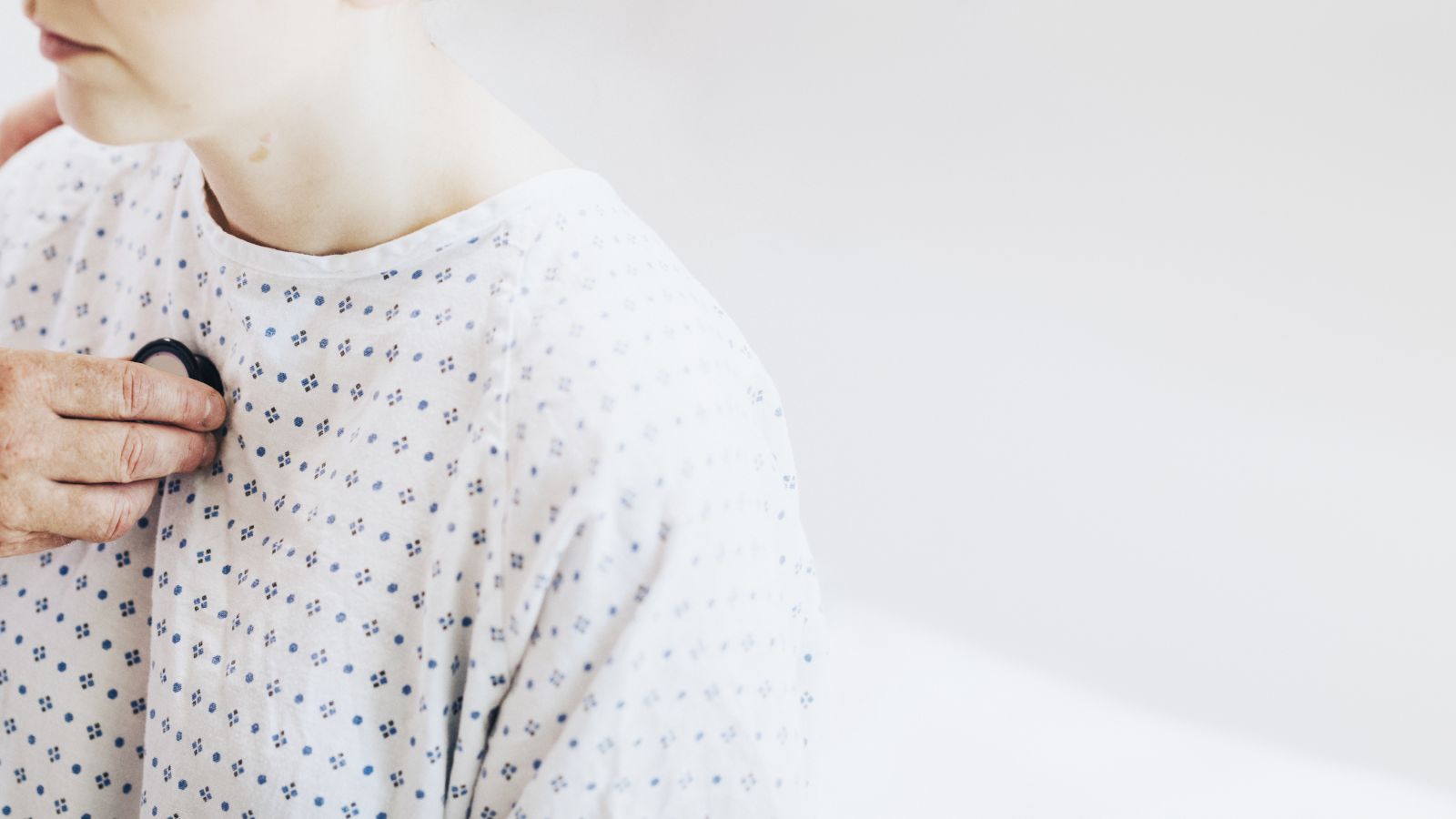
Diagnosis of pneumonia is done through review of symptoms, physical examination, and specific tests.
Treatment
Pneumonia is treated based on the severity of the infection and by combining medical treatment (antibiotics) and lifestyle modifications (increasing rest, avoiding smoking both active and passive, taking a warm bath, or using a humidifier, and staying away from others to avoid infection).
In fact, mild pneumonia can go away on its own as the immune system goes the extra mile, but if left untreated, there is a risk of complications (pus-filled lungs, bacteria entering the bloodstream, fluid buildup between the chest wall and lungs, respiratory failure, kidney, liver and heart damage).
One thing is for sure, when the condition starts to improve, the fever starts to disappear, the chest feels more relieved, the cough is resolved, breathing difficulties are reduced, and the energy starts to return. The best way to prevent it from happening is to maintain personal hygiene, boost your immune system, get a pneumonia vaccine, and avoid people who are sick.
So, pneumonia is an infection of the lungs that can be caused by bacteria, viruses, or fungi, and is contagious. The most common symptom is coughing. Although it may go away on its own, treatment is still required to prevent complications. What do you think Ladies? Do you have a story to share? Let's share it with each other.
Let's download the Fitie application now to get tips and other interesting information!