In Indonesia, cervical cancer is the second most prevalent cancer among women, following breast cancer. Alarming data from 2020 reveal that human papillomavirus (HPV) infections, a significant factor in cervical cancer, claimed the lives of 21,003 women.
These statistics highlight the urgent need to enhance awareness regarding cervical cancer in Indonesia. Efforts by institutions and the government are ongoing, focusing on educating the public, especially sexually active women, about the importance of regular early detection tests.
Early detection significantly increases the chances of successfully treating cancer. Unfortunately, public awareness of this crucial issue remains low. This is why February 4, 2022, marks World Cancer Day, under the theme 'Close the Gap in Cancer Care,' to improve global access to cancer treatment services.
Understanding the Causes of Cervical Cancer
Cervical cancer originates from mutations in previously normal cervix cells. These mutations lead to abnormal and uncontrolled cell growth, ultimately forming cancer cells.
While the exact causes of these mutations remain unknown, cervical cancer is closely associated with HPV infection. Several risk factors make a woman more susceptible to cervical cancer, including:
- Multiple sexual partners: Having more than one sexual partner, especially if those partners have other sexual partners, increases the risk of HPV transmission.
- Early sexual activity: Starting sexual relations at a young age heightens the risk of HPV infection.
- Other sexually transmitted infections: Infections like chlamydia, gonorrhea, syphilis, and HIV/AIDS can increase the likelihood of developing cervical cancer.
- Smoking: Smoking is linked to squamous cell carcinoma, a type of cervical cancer.
- Exposure to medications to prevent miscarriage: Diethylstilbestrol (DES) during pregnancy can elevate the risk of clear cell adenocarcinoma, a specific type of cervical cancer.
- Weakened immune system.
Recognizing Cervical Cancer Symptoms
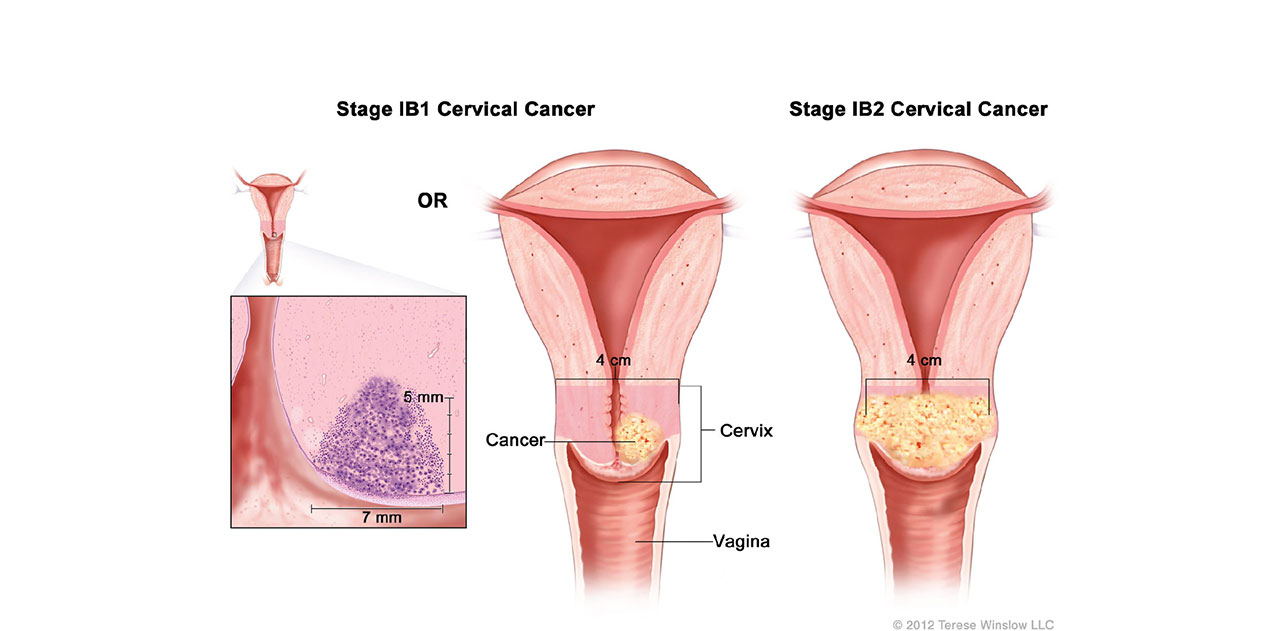
Cervical cancer can develop with or without symptoms, especially in its early and pre-cancerous stages. Symptoms may manifest when the tumor grows and presses against adjacent organs, disrupting healthy cells. Cervical cancer symptoms may include:
- Unusual vaginal bleeding: Bleeding between periods, longer or heavier menstrual cycles, bleeding after or during sexual intercourse, bleeding after menopause, bleeding after bowel movements, or bleeding following a pelvic exam.
- Irregular menstrual cycles.
- Pelvic pain (lower abdomen).
- Pain during sexual intercourse.
- Lower back or leg pain.
- Fatigue.
- Unexplained weight loss.
- Loss of appetite.
- Abnormal vaginal discharge, often with a foul odor or blood.
- Other conditions can cause similar symptoms, but if you experience any of these, consult a doctor for a thorough evaluation.
Sadly, many women only discover they have cervical cancer when it has already reached an advanced stage, with more than 80% of cases in Indonesia being diagnosed at an advanced stage. In such cases, treatment becomes complex, and the chances of recovery decrease.
If you have concerns or symptoms about reproductive organ health, do not hesitate to seek medical advice. Promptly address the possibility of cervical cancer by undergoing regular pap smears and pelvic exams, especially if you are at risk.
If you have questions or concerns about intimate health but are hesitant to discuss them, please chat with a doctor at Fitie. Your privacy is our priority; we are here to support you, ladies.