What are some examples of fried foods? Fritters, fried chicken, french fries, and even just about anything can be fried, including vegetables. Many people, Ladies included, tend to love fried foods. But the fact is, eating these foods every day, even in large quantities, is not good for your health. Here's why:
1. High in Calories
When compared to other cooking methods, frying will increase the number of calories in food. Why is that? Firstly, the majority of ingredients need to be coated in batter or flour before frying. Secondly, the food will lose its water and absorb fat. Automatically, the calories will increase.
Try comparing, using any nutrition checking app, fried chicken with grilled chicken, or french fries with boiled potatoes. In general, anything that is cooked by frying will contain more calories than food that is not fried.
2. High in Trans Fat
Trans fats are formed when unsaturated fats are hydrogenated (the oil is heated to a very high temperature during cooking). When they turn into trans fats, they are difficult for the body to break down, leading to adverse health effects. So indirectly, fried foods must contain trans fats. The more it is reused, the more the trans fat increases.
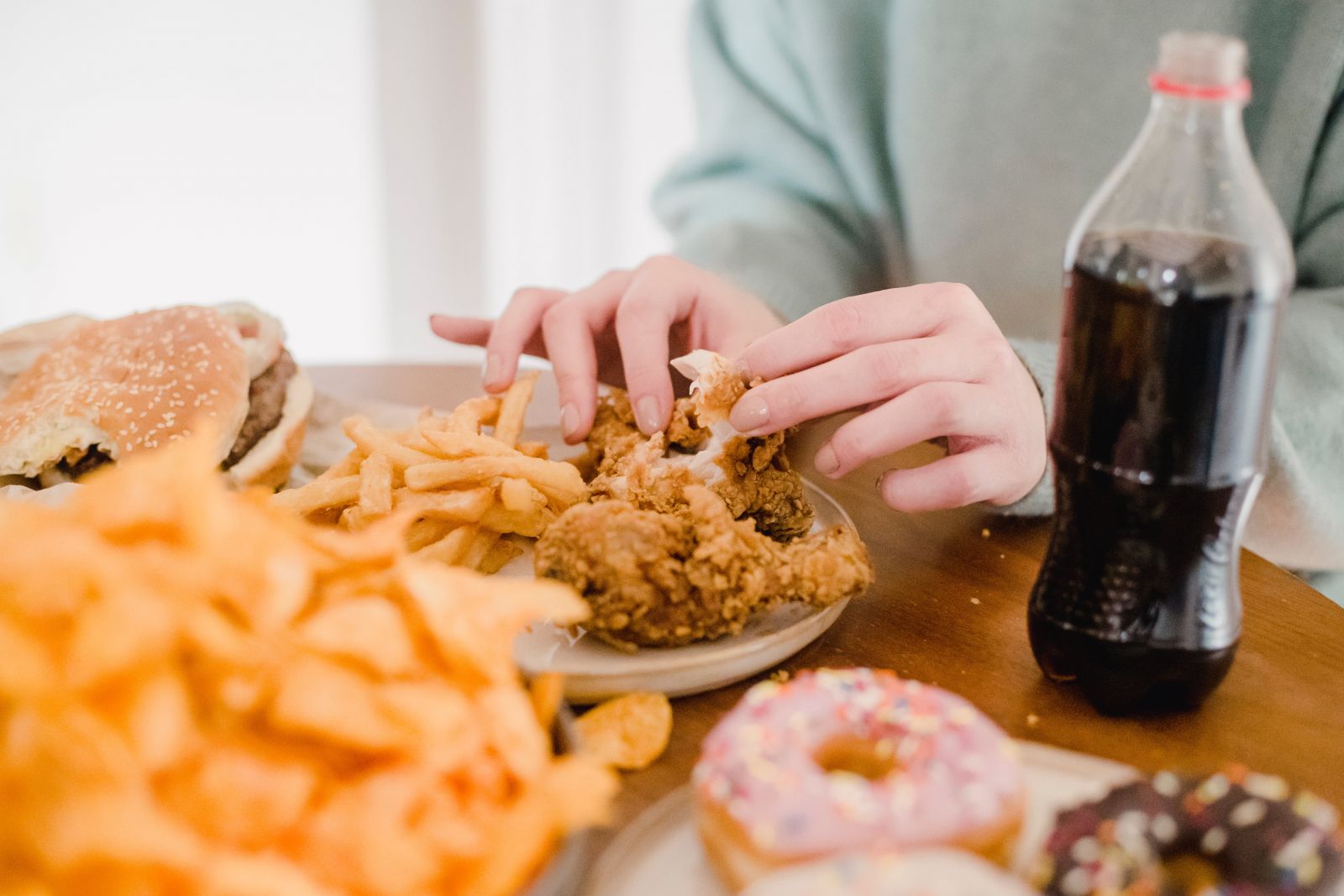
Fried foods tend to be high in calories and high in fat
Disease Risk
Eating fried foods will increase the risk of several diseases and this has been proven by many studies. These diseases are classified as non-communicable diseases, such as heart disease, high blood pressure, decreased HDL (good fat) levels, diabetes, overweight, and obesity.
Cooking Methods
Actually, there are many other types of cooking methods that can be used to replace our habit of frying food. However, in this article, Fitie will provide some recommendations that are easy enough to do and may also have the equipment available in each Ladies' house.
1. Simmering
Heat the water to boiling point, then reduce the heat until the temperature drops. The sign is the formation of small bubbles that move slowly.
2. Boiling
Heat the water to the boiling point. Unlike simmering, boiling is characterized by large, aggressive, fast-moving bubbles and the release of steam.
3. Streaming (Steaming)
Boil water until it produces a steady stream of steam and then place the food on top. The steam will surround the food and cook it evenly.
4. Baking
Uses indirect heat to cook food from all sides. Baking is more for making bread or cakes.
5. Roasting
Uses indirect heat to cook food from all sides. Roasting is more for cooking meat or vegetables.
6. Grilling
Uses radiant heat to cook food quickly from the bottom. Generally, an iron is used. The cooking process must be done by flipping the food.
7. Sauteing
Cooking with a little oil to brown the food by stirring or tossing the food continuously.
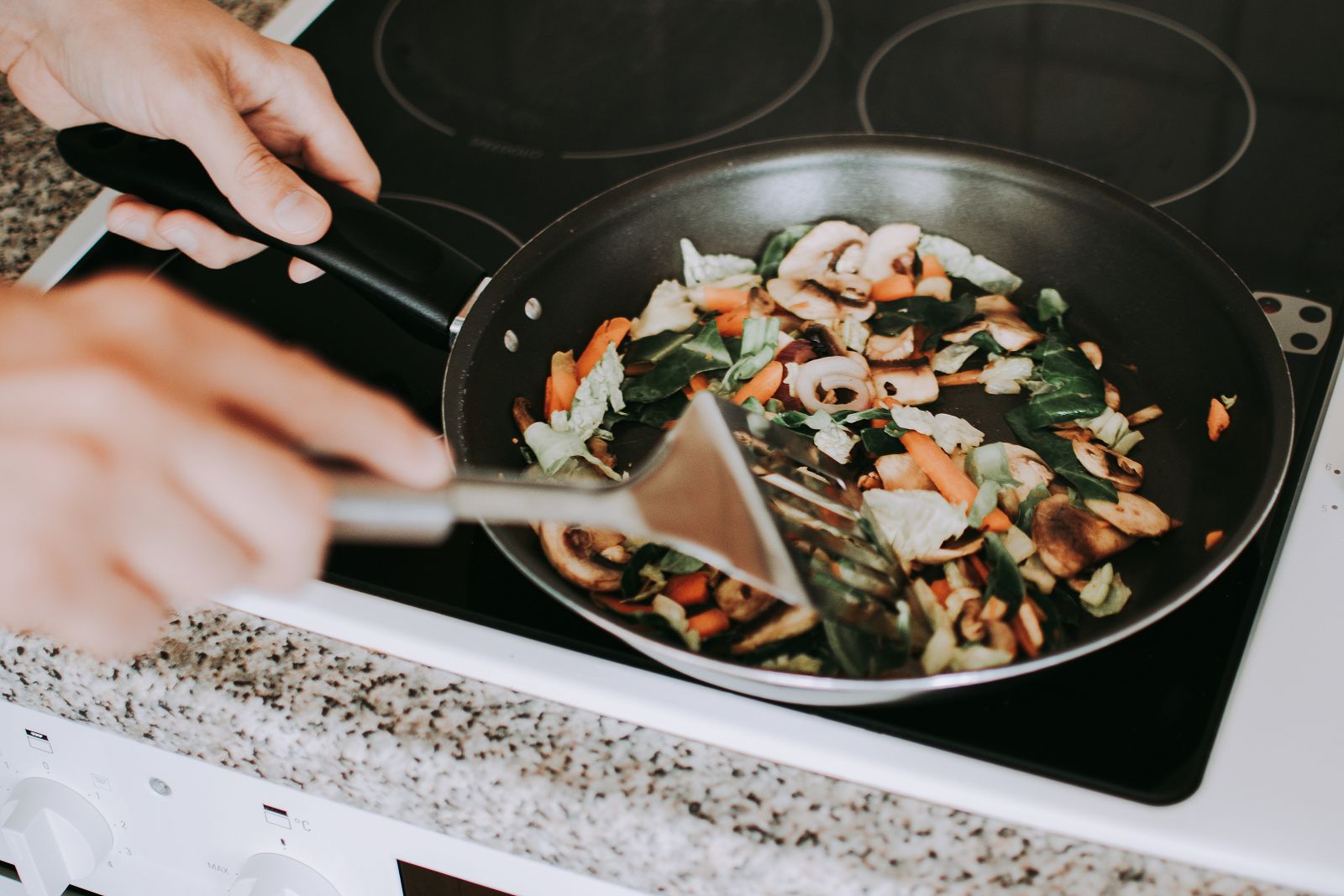
Let's try other cooking methods that taste just as good!
So, don't just stick to fried food, as it generally causes food to be high in calories and trans fats. As a result, the risk of diseases such as heart disease, diabetes, and obesity increases. There are many other cooking alternatives that can be done, such as boiling, steaming, grilling, or sautéing. The taste is no less delicious. Which one do you like?
Let's download the Fitie application now to get tips and other interesting information!