1. Recognizing the Phases of Relapse
Substance or drug use relapse is divided into 3 types, namely emotional, mental, and physical. In each of these phases, a person will become very vulnerable to repeat substance or drug use. By trying to be aware of each stage, it can help one to prevent relapse.
a. Emotional relapse
In this phase, a person does not think about using again, but their thoughts and behaviors eventually lead them towards using again. Usually, a person starts to shut down or isolate themselves from others, as well as bottling up their feelings instead of confiding in the closest person. Other symptoms include anxiety, restlessness, and sleeplessness.
b. Mental relapse
In this phase, a person has conflicting thoughts and desires. Part of him or her feels like going back to using substances or drugs, but the other part tries to fight the urge. Usually, a person starts to reminisce about the positive experiences when he or she was using substances, while the negative experiences are forgotten. As a result, there is a bargain with oneself, and one plans to do it again.
c. Physical relapse
In this phase, a person has returned to using substances or drugs. Usually, it starts with a single lapse. For example, he has used it once. As a result, such use may occur in a repetitive and continuous manner.
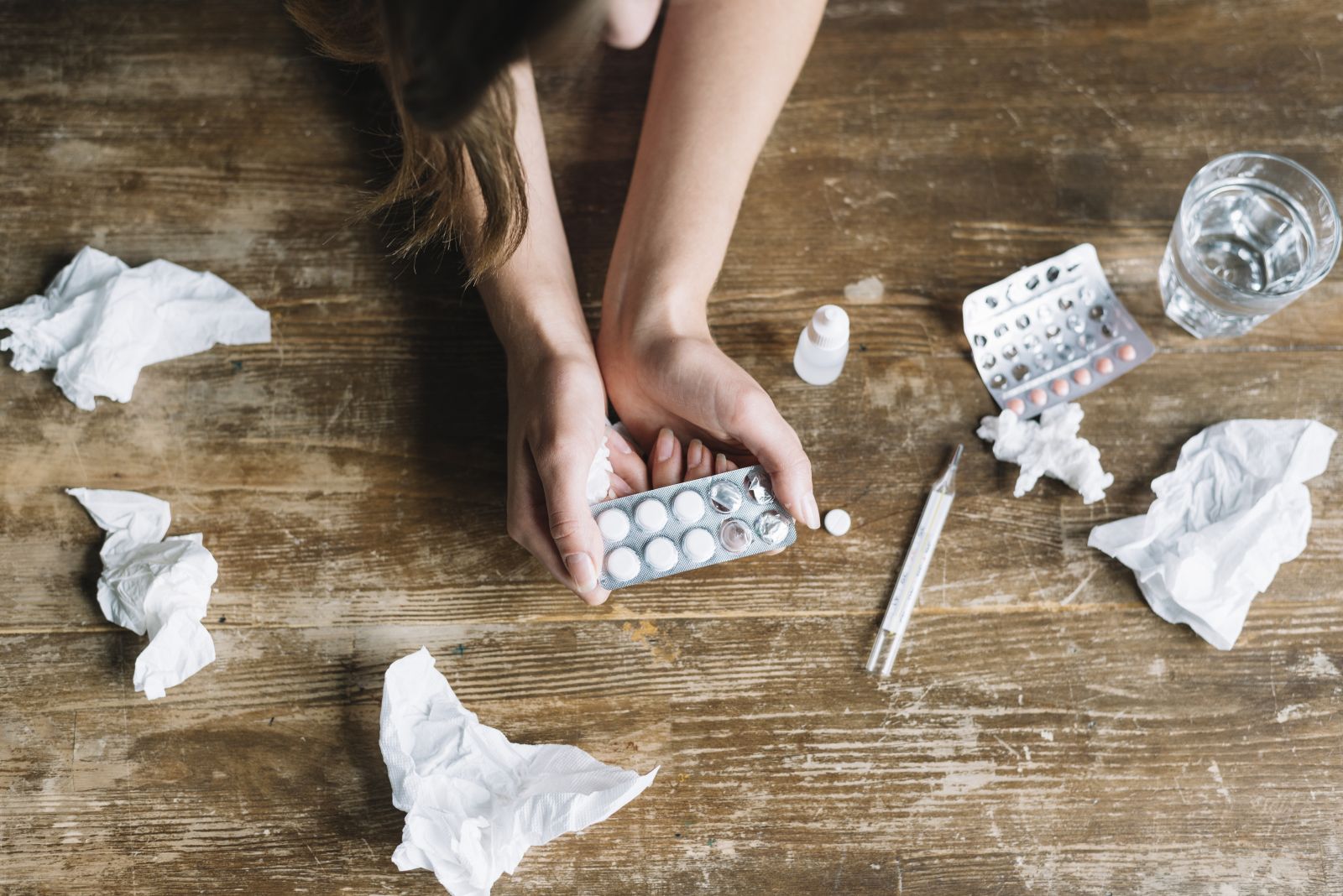
The main step is to recognize the phase of relapse
2. Understanding Personal Triggers
Certain places, settings, or people can increase the likelihood of a person using substances or drugs again. Some of the most commonly experienced triggers are withdrawal symptoms (the body's response to stopping or reducing substance or drug use), poor relationships, loneliness, stress, hanging out with people who can provide supply, and not taking care of yourself.
3. Seek Help
Recovery can be very challenging for many people, so having supportive family, friends or relatives close by can make the process easier to get through. See a doctor or mental health professional to help get out of the strong urge to use again. Don't try to recover alone.

Seek support from loved ones
4. Recall the reason for quitting
Remember the reasons for quitting, especially when the urge to use comes back. Try to think back to the negative effects of using, such as pain or inability to control yourself. Focus on how much better life is now that you've stopped using.
5. Take Care of Yourself
Many relapses happen because people want to feel comfortable and relaxed. Therefore, look for healthier ways to take care of yourself. Keep yourself busy with things that are beneficial and have a positive impact, such as getting enough rest and sleep, adopting a balanced nutritious diet, exercising regularly, spending time with loved ones, and pursuing hobbies.
In conclusion, everyone may be at risk of returning to alcohol, substance or drug use after successfully quitting. In order to prevent this from happening, there are 5 strategies that can be done, namely recognizing the relapse phase, understanding triggers, melting help, remembering the reasons for quitting, and taking care of yourself. Let's help our loved ones!
Let's download the Fitie application now to get tips and other interesting information!