Depression in children is defined as a mood disorder that causes them to feel sad, irritable or hopeless. The condition must last for at least 2 weeks or more. Not infrequently, this depression makes them experience changes in their sleeping hours, appetite, or relationship with others.
The incidence of depression in children and adolescents between the ages of 3 to 17 years is as high as 3%. However, it is less common in infants, estimated to be only 1 in 40 infants. Depression can prevent children from enjoying school, sports or hobbies that they would normally enjoy. This may become apparent when the parents are particularly sensitive.
Symptoms
Depression in babies and children will look different from adults. This is partly because babies and children are not yet able to express their feelings, fears, and desires clearly and explicitly. The way to tell if children are experiencing symptoms of depression is by looking at changes in their behavior.
-
Mood swings (more irritable and angry)
-
Lack of interest in activities they used to enjoy
-
Fatigue or lack of energy
-
Saying negative things about themselves
-
Eating less or more
-
Sleeping less or more
-
Crying is not necessarily a sign of depression
Slightly different from children, to gauge whether or not a baby is experiencing symptoms of depression, what needs to be seen is their emotional vitality. Do they tend to be withdrawn, quiet, or often look up at the sky, do they smile less, do they express a wide range of emotions, and do they have difficulty engaging socially with their parents.

One change that can be seen is mood swings.
Causes
Initially, it was thought that babies could not be depressed because their egos were underdeveloped, but it has now been realized that depression is very possible in them, perhaps even much more common than previously thought. On the other hand, the causes of depression in infants and children are not fully known, but there are several possibilities, namely:
-
Mental health of parents or caregivers
-
Family history of depression
-
Physical illness or injury
-
Chemical changes in the brain
-
Bullying
-
Stressful life events (separation, divorce, neglect, death)
Diagnosis
If parents feel that their baby or child is experiencing symptoms of depression, it is best to see a pediatrician as early as possible. If the cause of the depression is not due to a physical problem, it will generally be referred to a professional who addresses mental health issues, such as a child psychologist, psychiatrist, or therapist. There are several things that will be assessed, namely:
1. Infant (ask parents or caregivers)
The pattern of mood and behavior should represent changes that are typical of the child, mood swings are present daily for at least 2 weeks, depressive symptoms occur in more than one activity and more than one relationship, cause disruption to the baby's functioning and development, and the symptoms are not caused by a medical condition, medication, or environmental toxins.
2. Children (ask the child and parents)
Changes in behavior and mood, what symptoms you are experiencing and when you became aware of them, complete a survey, and possibly involve teachers or other caregivers.
Treatment
Infants are unlikely to be offered medication and therapy, but mental health professionals can work with parents to help better understand and meet the infant's needs, so that they feel safer and more secure in their environment. Meanwhile, there are 2 main ways to treat depression in children, namely:
Talk therapy (cognitive behavioral therapy)
Medication (antidepressants)
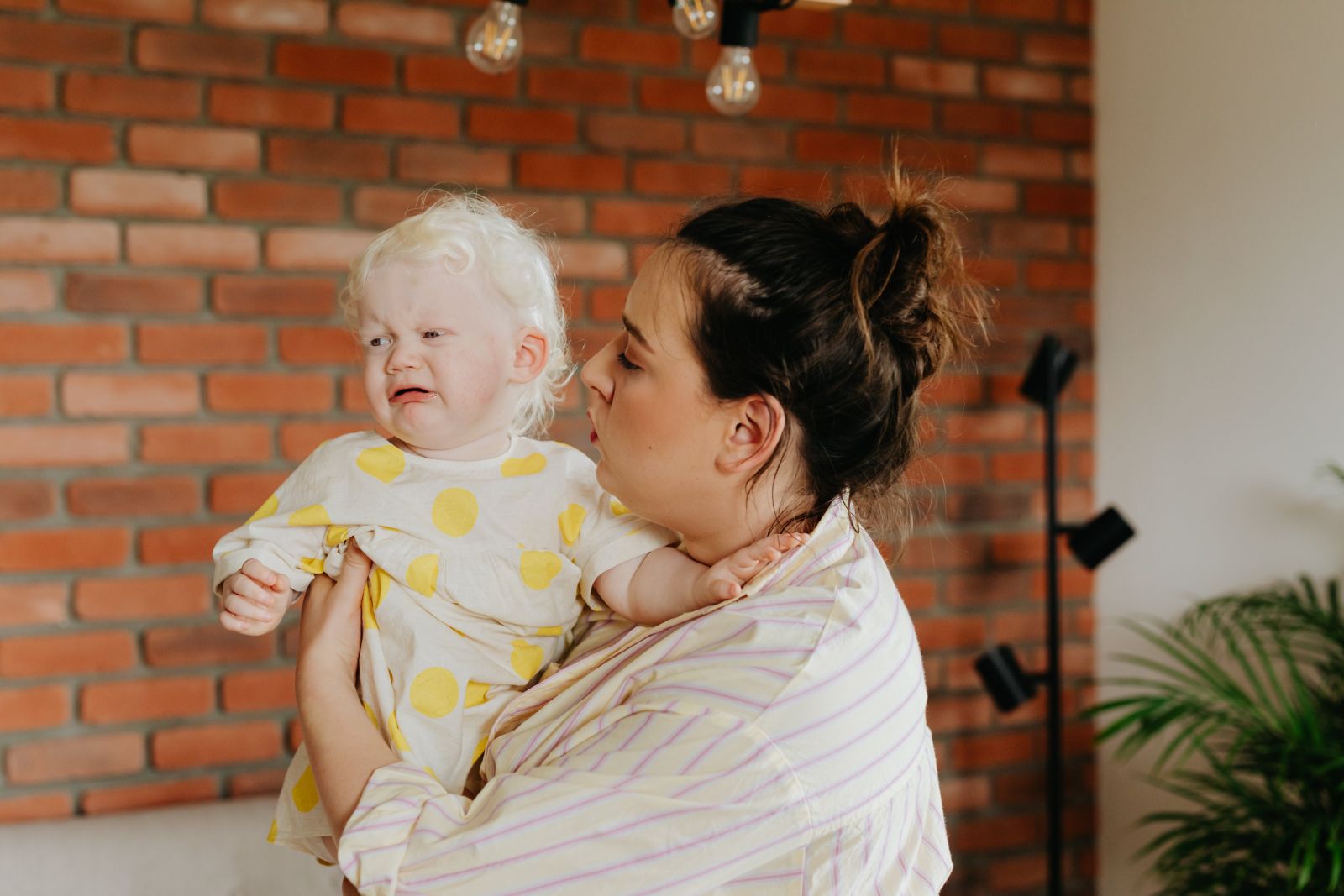
Parents should be involved in their child's treatment process
Depression in infants and children is possible and the exact cause is not yet known. However, symptoms can be seen in changes in mood and behavior. The family is an important environment for babies and children. Therefore, parents should be involved in the treatment process to protect their mental health.
Let's download the Fitie application now to get tips and other interesting information!