Color blindness occurs because there is a problem with the color-sensing pigment in the eye, causing the sufferer to have difficulty or inability to distinguish colors. There are 3 main types of color blindness, namely difficulty distinguishing between red and green, difficulty distinguishing between yellow and blue, and not being able to see colors at all or called achromatopsia (total color blindness).
Color blindness often starts at a young age, especially in children who are learning about colors. However, this development is often overlooked as children generally learn to associate certain colors with certain objects. For example, when they are taught that leaves are green, they call the color they see green.
Symptoms
Seeing colors is subjective. This means that a person with color blindness cannot possibly know if they are seeing the same color as a person with normal vision. The main symptom of color blindness is a change in vision. An easy example is difficulty distinguishing between red and green lights at traffic lights.
-
Red-green color blindness: deuteranomaly (green looks redder), protanomaly (red looks greener), protanopia (difficulty distinguishing between red and green).
-
Blue yellow color blindness: tritanomaly (blue and green look the same and red and yellow also look the same), tritanopia (difficult to distinguish colors with blue and yellow attributes, such as green, purple, red, and pink).
-
Total color blindness: seeing only grey or black and white.
Causes
Humans can see colors because they have nerve cells called cones in the eye. These cones allow the retina (the layer of tissue at the back of the eye that is sensitive to light) to see color. there are 3 types of cones that will each absorb a different wavelength of light, where it will react to red, green, or blue.
The cones then send information to the brain to distinguish colors. However, when one or more of the cones in the retina is damaged or missing, it becomes difficult for a person to see colors properly. Based on the cause, color blindness is divided into 2 types, namely:
1. Inherited
This is the most common condition of color blindness, which is due to a genetic defect (inherited from the family), and is usually passed down from mother to son.
2. Acquired
This is a less common condition of color blindness that is caused by damage to the optic nerve or retina of the eye due to a disease such as glaucoma, macular degeneration, diabetic retinopathy, cataracts, Parkinson's disease, Alzheimer's disease and multiple sclerosis.
3. Other causes
There are several other factors that can cause color blindness, including medications (chlorpromazine, thioridazine, or ethambutol), aging, and chemicals (styrene).
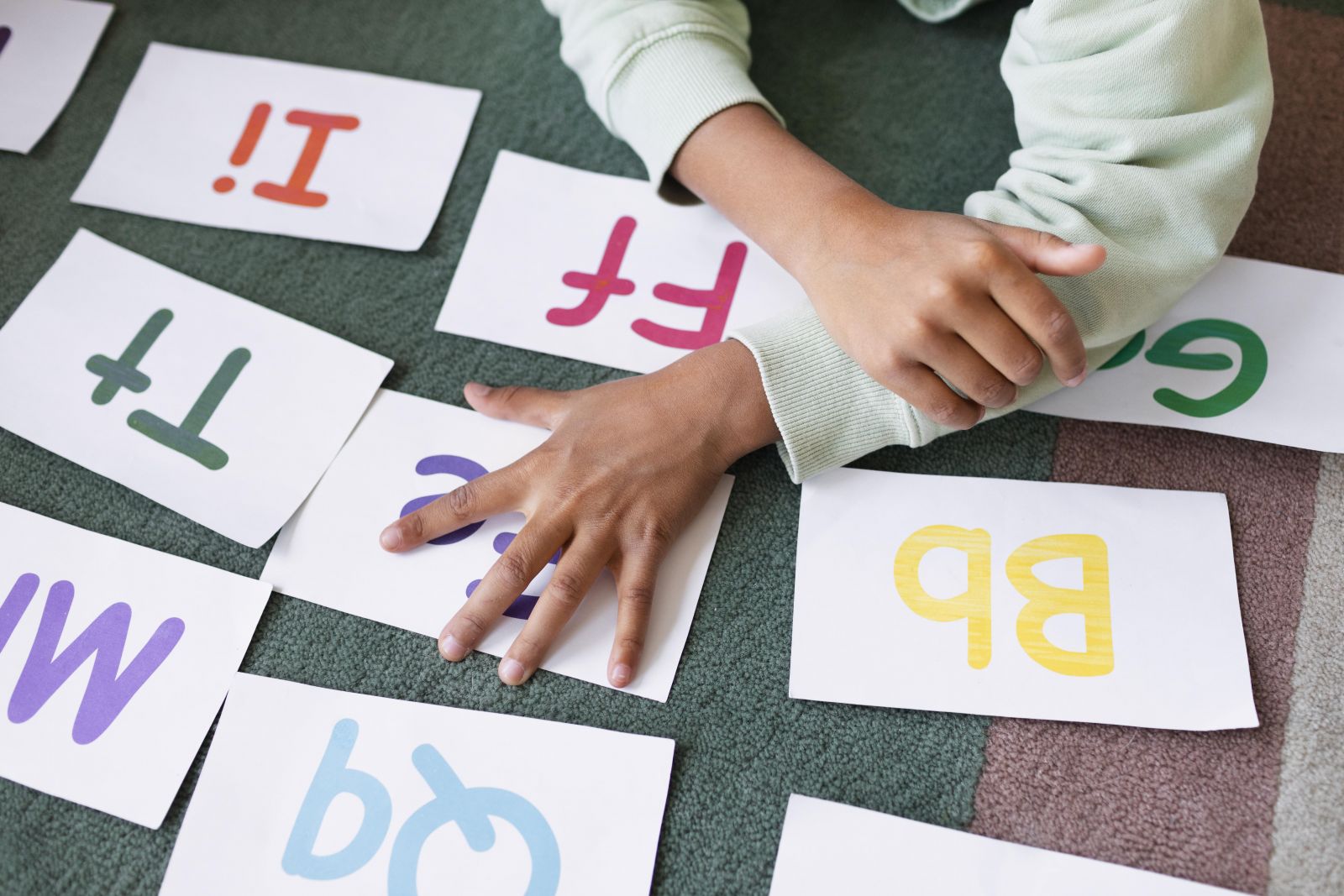
The majority of color blindness cases are genetic or inherited.
Diagnosis
Color blindness can be diagnosed through a normal eye examination, which is generally with the use of special images called pseudoisochromatic plates. A person will be shown pictures made of colored dots. Then, they will be asked to answer what numbers or letters they see in the picture. People with color blindness cannot see them properly.
Treatment
Hereditary color blindness cannot be cured, but it can be helped by the use of special glasses or contact lenses. On the other hand, if the condition is caused by a disease, it may be alleviated by treating the underlying disease. People with color blindness can make some adjustments, such as:
-
Memorizing the order of traffic lights from top to bottom
-
Labeling each piece of clothing with a color name
-
Increase lighting to see more clearly
-
Utilizing accessibility options
.jpg)
People with color blindness can still live like other people with normal vision.
So, there are 3 general types of color blindness: red-green, blue-yellow, and total. The condition is often hereditary, especially from a mother to her son, and there is no cure. However, the difficulty can be overcome with the use of special glasses or contact lenses, as well as adjustments in daily life. Read more articles from Fitie!
Let's download the Fitie application now to get tips and other interesting information!