Broken heart syndrome refers to a short-term condition where a portion of the heart muscle weakens rapidly. Another name for this condition is takotsubo cardiomyopathy. The reason for the name is because the left ventricle of the heart swells, giving it a balloon shape that resembles a takotsubo pot like that of Japanese fishermen.
If one part of the heart is weakened, the other parts have to compensate by working harder. The blood supply is disrupted and the heart loses its ability to pump. This is harmful to the body, especially to cells that depend on the oxygen supply carried by the blood.
 Heartbreak syndrome results from a sudden and rapid weakening of the heart muscle.
Symptoms
Cases of broken heart syndrome are often found in women, especially after menopause. Symptoms occur for a few minutes to hours after experiencing a stressful event. The signs will be similar to when someone has a heart attack, where the heart muscle weakens. Here are the other symptoms:
- Sudden and severe chest pain (angina)
- Shortness of breath
- Weakening of the left ventricle of the heart
- Irregular heartbeat (arrhythmia)
- Low blood pressure (hypotension)
- Heart palpitations
- Fainting or dizziness
Heartbreak Syndrome vs Heart Attack
Heartbreak syndrome does have similar symptoms to a heart attack and the fatality rate may be similar. However, this condition cannot be diagnosed based on chest pain symptoms alone. In takotsubo cardiomyopathy, the coronary arteries are not blocked and usually will not cause permanent heart damage.
Unlike a heart attack, broken heart syndrome usually has a faster recovery period and can lead to a full recovery. However, whatever condition is causing the chest pain, one should be taken to the emergency room immediately. It cannot be self-diagnosed as the exact cause must be determined by a professional.
Causes
The exact cause of broken heart syndrome is not fully known. However, it is speculated to occur due to severe stress, both physically and emotionally. During times of severe stress, the body releases stress-related hormones, such as epinephrine. The released hormone is believed to cause heart spasms, temporarily disrupting heart function.
What are the triggers that can cause broken heart syndrome? Here are some of them:
- Sad news of a loved one's death
- Major loss (spouse, money, house, pet)
- Good (surprise, winning the lottery) or bad news
- Traumatic event (natural disaster or accident)
- Intense fear (robbery, public speaking)
- Severe and chronic pain
- Performing an exhausting physical activity
Diagnosis
Diagnosis of broken heart syndrome is done similar to that of a heart attack. The process begins with a medical history review and physical examination. Then, several other tests are performed to support the data for a definitive diagnosis. Some of them are as follows:
- Blood test to check for enzymes associated with heart attack
- ECG to look at the electrical activity of the heart
- Angiogram to look at the blood vessels of the heart
- Echocardiogram to get a picture of the heart
- MRI
- Ventriculogram
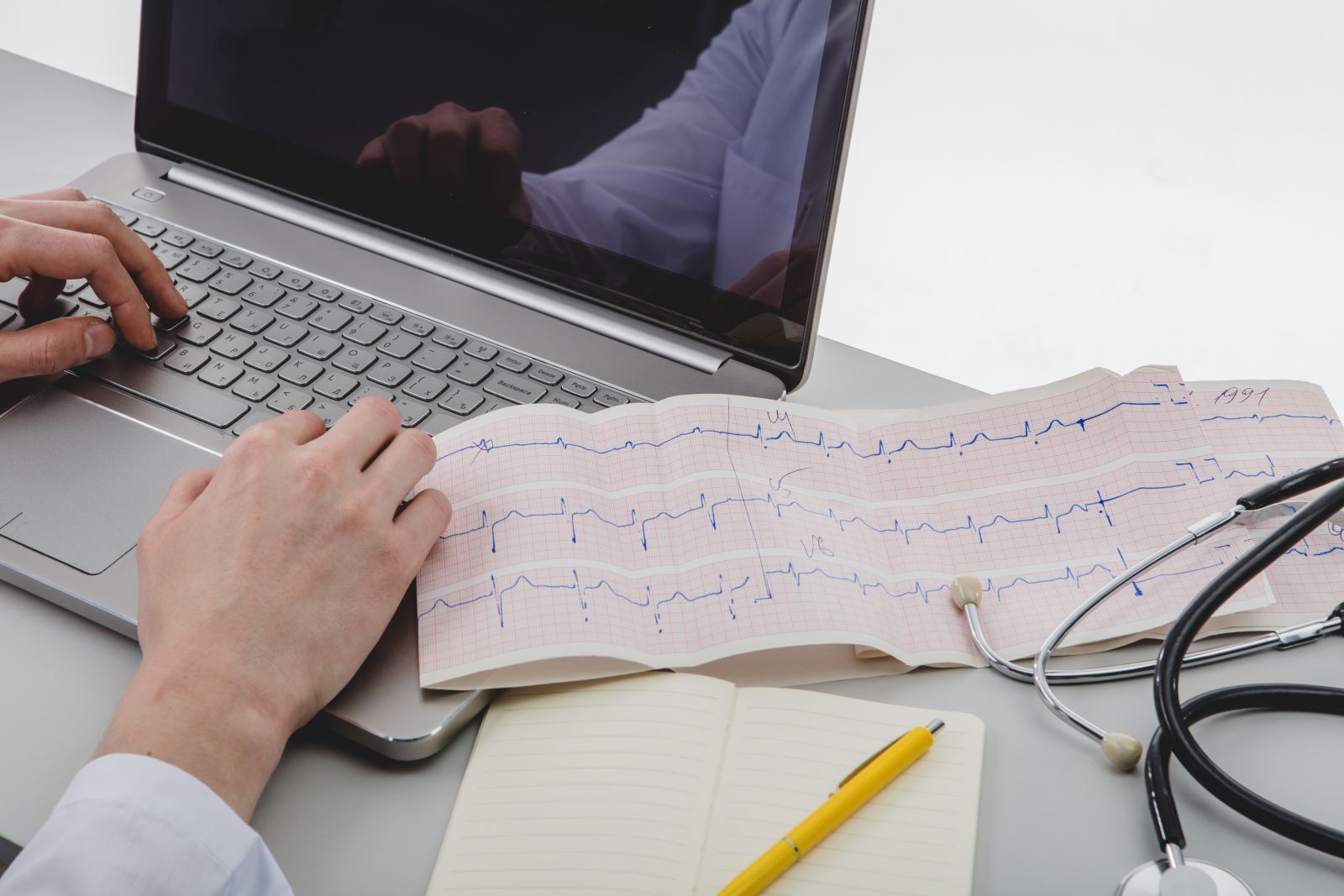 Multiple examinations are needed to confirm the diagnosis of broken heart syndrome
Treatment
After getting a diagnosis of broken heart syndrome, a person must get complete treatment in the hospital until the left ventricle is completely recovered, which is about 3 to 4 weeks. Some of the common medications given are beta-blockers and angiotensin-converting enzyme (ACE) inhibitors. These drugs promote heart muscle recovery.
In addition, the doctor may also give aspirin to improve circulation and blood clotting, blood-thinning medications to prevent stroke, and anti-anxiety to help control the release of stress hormones. During this recovery process too, one should be able to manage their stress well.
Well, so heartbreak syndrome in the medical world is not like crying for a day and a night, Ladies. This condition refers to the weakening of the muscle in the left ventricle of the heart. The symptoms are similar to a heart attack, but the recovery will be faster and one can recover completely without any permanent damage. Let's learn to manage stress and problem solving well!
Let's download the Fitie application now to get tips and other interesting information!