1. Maintaining Brain Health and Well-being
The less frequently we engage in activities involving cognitive function, the weaker our brain function becomes. One way to keep our brains healthy is by stimulating them to remain active, such as by playing word puzzle games. Some health and well-being benefits that can be gained from playing these games include:
-
Improving short-term memory: strengthening connections between brain cells, effectively enhancing short-term memory.
-
Boosting mood: playing word puzzles can increase dopamine production (a compound that regulates mood, memory, and concentration). Successfully solving each puzzle releases this chemical.
-
Facilitating relaxation: playing word puzzles provides an opportunity for enjoyment and relaxation, alleviating stress and promoting better sleep and rest.
-
Enhancing visual and spatial thinking skills: focusing on the blank spaces in word puzzles can periodically improve visual and spatial thinking abilities.
-
Boosting logic and rational thinking: playing puzzles requires critical and analytical thinking, activating various brain regions associated with logical and rational thinking.
-
Reducing stress: similar to meditation, playing word puzzles can reduce daily stress levels, promoting peace and calmness.
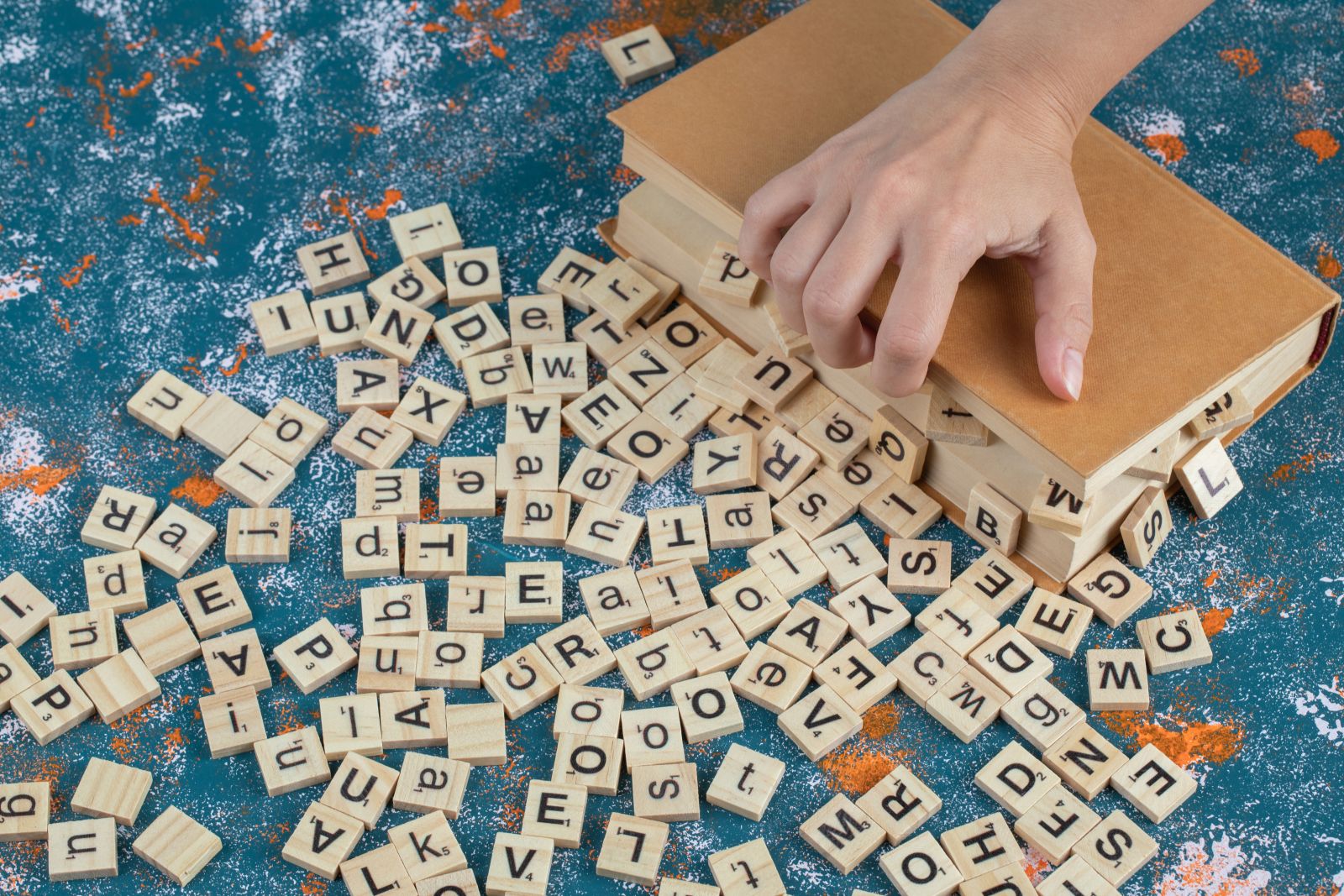 Brain health and well-being
2. Reducing the Risk of Dementia Development
An analogy: if the brain is an old computer, tasks performed while processing something will help it work harder. Consequently, the aging computer functions more like a new one, training it to process visual information faster and helping prevent cognitive decline.
When discussing cognitive decline in the elderly, it often refers to dementia and Alzheimer's disease. Typically, these diseases are defined as severe mental deterioration that disrupts daily life, causing problems with memory, thinking, and behavior.
Indeed, the way we store information in the brain tends to decline with age. Compare your ability to remember information with that of your grandparents. Notice a difference? Most elderly individuals tend to have difficulty remembering or thinking quickly. Therefore, elderly brains need continued stimulation to prevent rapid cognitive decline.
According to the journal Heliyon, adults who play digital puzzles have the same memory capacity as adults in their twenties. Additionally, they are better at ignoring irrelevant distractions. This suggests that such games have the potential to be used as age-appropriate cognitive interventions.

Reduces the risk of developing dementia
So, if you think playing word puzzles will only stress you out, you've been mistaken. On the contrary, playing these puzzles can stimulate the brain to remain active, promoting brain health. Moreover, they are recommended for the elderly to prevent accelerated cognitive decline.
Hey, grab the Fitie app now for cool tips and other fun stuff!