1. Spicy Foods
Ingredients that make food spicy or foods processed to be spicy can irritate the body's digestive system. Therefore, the recommendation is to reduce the use of these ingredients, such as chili peppers, paprika, or pepper. This is aimed at reducing the risk of disrupting the digestive process.
2. Fried Foods
Consuming high-fat or oily foods, especially fried foods, can complicate the sensitive digestive system during diarrhea, worsening symptoms. Even after diarrhea has ended, consumption of high-fat or oily foods should still be limited for several days.
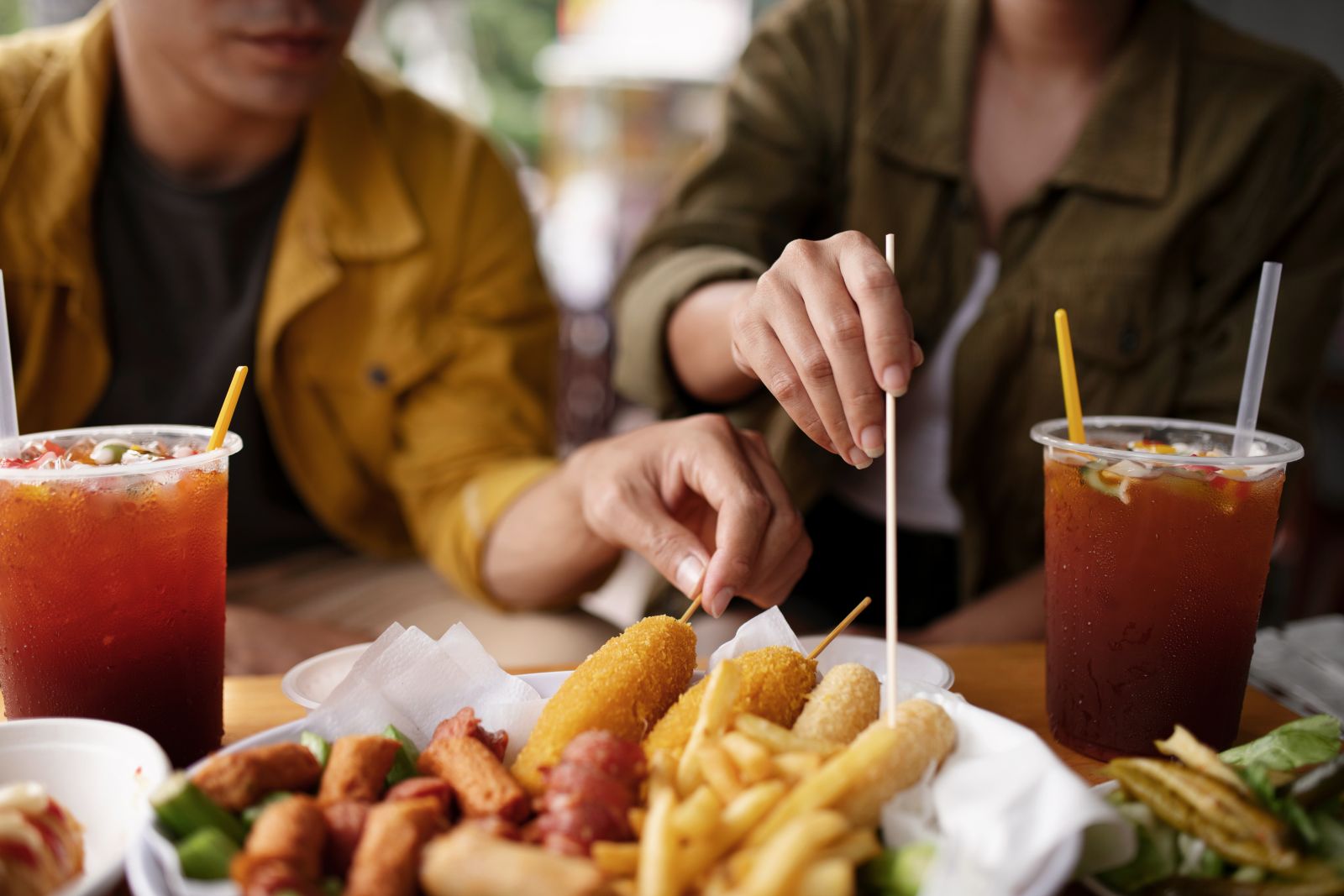
Avoid fatty and oily foods during diarrhea.
3. Sweet Foods and Artificial Sweeteners
Sugar contained in food can disrupt digestive bacteria. Examples of foods to avoid include packaged fruit juices or those purchased outside (usually high in sugar, especially when combined with sweetened condensed milk), candies, and sweet cakes. In addition to sweet foods, artificial sweeteners should also be avoided.
Examples of such foods are those containing sorbitol (which has a laxative effect), such as sugar-free gum, diet coke, diet bottled drinks, or artificial sweeteners. Consumption of sugar or artificial sweeteners will cause the intestine to produce more water and electrolytes, thus resulting in more frequent bowel movements.
4. High Fiber and Gassy Foods
One of the purposes of consuming fiber is to help keep the digestive system active, but when experiencing diarrhea, its intake needs to be limited as it can worsen symptoms. Some examples to avoid temporarily include grains (whole grains, brown rice), papaya, broccoli, cauliflower, and cabbage. Also, be sure to avoid raw vegetables.
5. Caffeinated, Carbonated, and Alcoholic Beverages
Caffeinated beverages (coffee, tea), carbonated beverages (soda, sports drinks), and alcohol can excessively stimulate the digestive system, worsening diarrhea. Carbonated or sports drinks also often contain artificial sweeteners, while alcohol is diuretic (eliminating excess salt and water from the body through urine, thus risking greater fluid loss).

Temporarily stop consuming caffeinated, carbonated, and alcoholic beverages during diarrhea.
In addition to avoiding the above five types of foods, individuals with diarrhea should also ensure they get enough rest. If the body is stressed during diarrhea, recovery may be delayed. Furthermore, ensure the body receives enough fluids to hydrate. Finally, avoid heavy physical activity as it can increase the risk of dehydration.
Although diarrhea can resolve on its own, there are some signs to watch out for as the case may become more serious. For example, when diarrhea is accompanied by the passage of blood or mucus, or even fever. If experiencing these symptoms, promptly consult a doctor to receive appropriate treatment.
So, during diarrhea, there are several types of foods to avoid. Starting from spicy foods, high-fat or oily foods, sweetened (sugar or artificial sweeteners), high fiber and gassy foods, to caffeinated, carbonated, or alcoholic beverages. By avoiding them, diarrhea symptoms will not worsen, but rather alleviate, and gradually begin to heal. What else would you like to discuss next?
Hey, grab the Fitie app now for cool tips and other fun stuff!