In December 2021, the emergence of the Omicron variant sparked global concern, prompting various countries, including Indonesia, to initiate third or booster doses of COVID-19 vaccines. With so many options available, making an informed decision about which booster vaccine to choose is essential. In this article, we'll break down the key factors to consider.
What Is a Booster Vaccine?
A booster vaccine is an additional dose given to individuals who have already received the entire course of a COVID-19 vaccine, typically two doses. Several vaccines are in use in Indonesia, including Sinovac, AstraZeneca, Pfizer, Moderna, and Sinopharm.
The booster vaccine rollout in Indonesia is scheduled for January 12, 2022, starting with individuals aged 18 and older in 244 cities and districts that meet specific criteria.
Effectiveness Against Omicron Variant
Research has been conducted to determine the effectiveness of various booster vaccines against the Omicron variant. Early findings suggest that recipients of the Sinovac vaccine may require additional booster doses to combat this new variant effectively.
Which Boosters Are Effective?
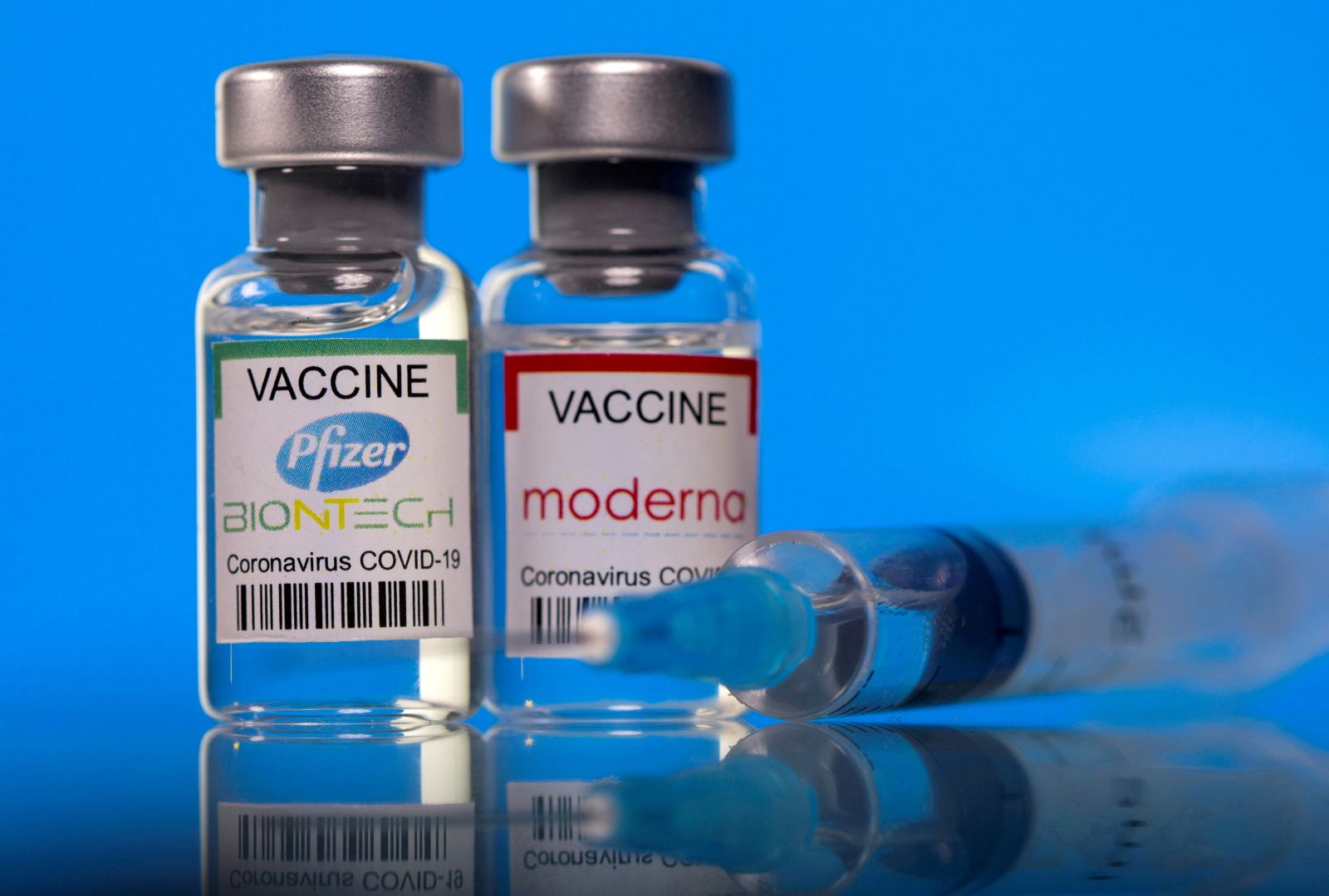
Booster vaccines can be administered using the same vaccine type (homologous) or a different one (heterologous) from the initial vaccination. Combinations may include Sinovac, Pfizer, and AstraZeneca vaccines. In Indonesia, health workers who initially received two doses of Sinovac have been administered one dose of the Moderna vaccine.
A study conducted on 304 health workers in Jakarta revealed that antibody levels increased approximately 9.3 times after receiving a single booster dose of Moderna. While this combination has shown promise in combating infections, it's crucial to note that the study's results pertain to the Delta variant rather than Omicron.
Determining the Appropriate Booster Dose
Studies indicate that the Sinovac vaccine's antibody response may not be as robust as the Pfizer vaccine, with both vaccines developed using different methods. Sinovac utilizes virus inactivation, while Pfizer employs mRNA technology to stimulate viral protein production within the body. The World Health Organization recommends immediate booster shots for recipients of virus-inactivated vaccines, such as Sinovac and Sinopharm.
In Indonesia, the current recommendation is that a single booster dose suffices for vulnerable groups, and the CDC even suggests allowing half-dose booster injections for specific vaccines, like Moderna.
Eligibility and Conditions for Booster Vaccines
The booster vaccine program is optional, allowing individuals to choose whether to receive it. The program operates with both paid and free systems. To qualify for a free booster vaccine in the government program, individuals must meet specific criteria, including being elderly, receiving assistance through BPJS Health Contributions, or falling into other vulnerable groups such as those with comorbidities or immune/autoimmune disorders.
General eligibility requirements for booster vaccines include:
- Age 18 and above
- Having received the second vaccine dose at least six months prior
- Residing in a district or city with a vaccination achievement of 70% for the first dose and 60% for the second dose
As the Omicron variant poses new challenges, booster vaccines offer hope for a more robust immune response. Research suggests that vaccine-induced antibodies may wane over time, underscoring the importance of booster shots. Make an informed decision based on your health, circumstances and the latest guidance from health authorities.