1. Choose Fresh Foods over Processed Foods that are High in Salt
Limit or even avoid processed and canned foods, such as pizza, burgers, pastries, ultra processed foods (sausages, corned beef, nuggets, brains, ham, smoked beef), and fast food. Sure, these are great snacks, but. It's better to eat more fresh fruits and vegetables. If these foods are difficult to avoid, then consider making your own at home, where you can control the amount of salt added.
If you want to use canned vegetables (mushrooms) or canned proteins (tuna, chicken, beans), then make sure to remove the water and rinse them first before use. The liquid inside the can is usually high in sodium (as a preservative), so this can help reduce the amount we intake.
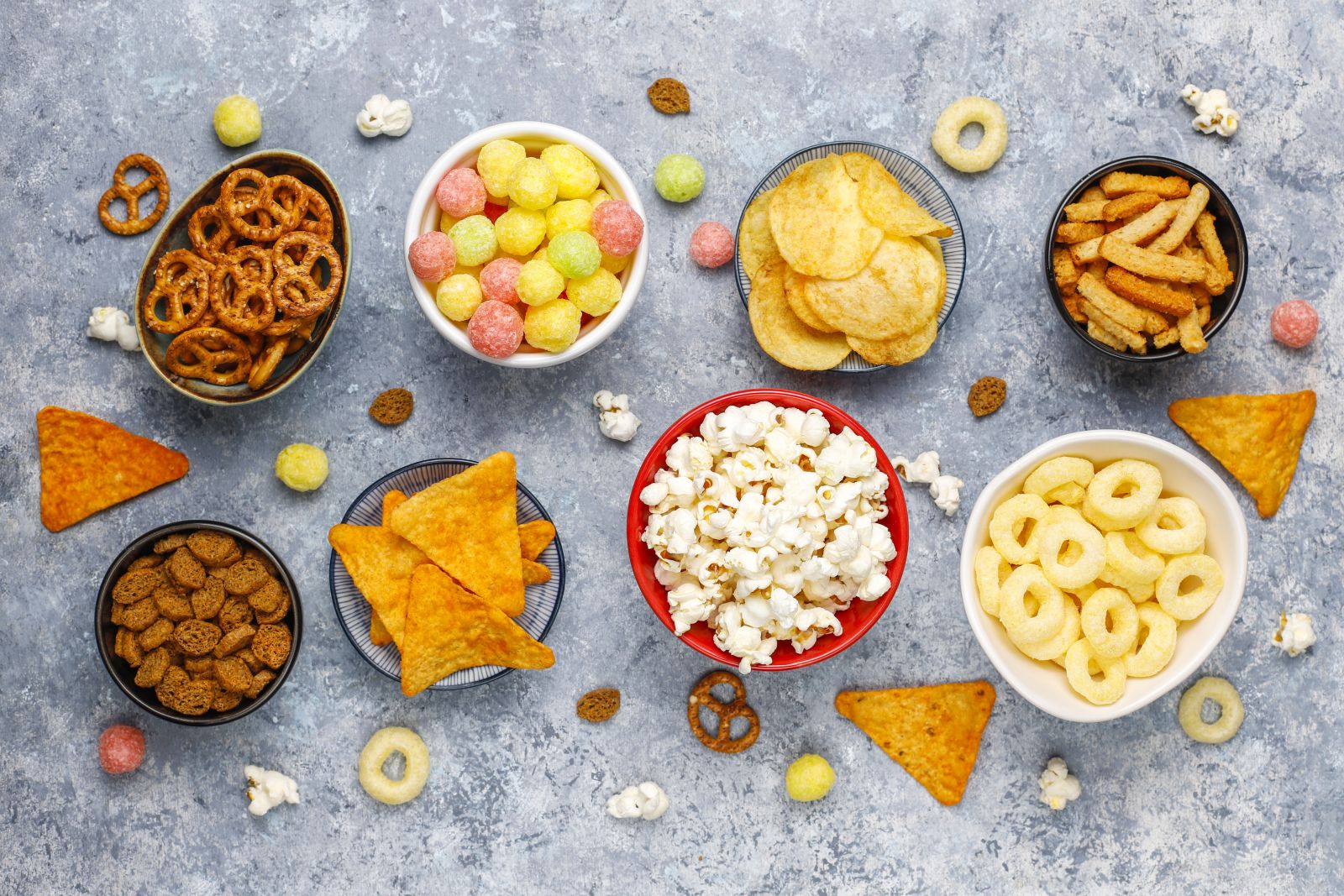
Eat more fresh food instead of processed food
2. Choose Low or No Salt Products
Make it a habit to read the nutritional information on the back of the package to identify the sodium content. If it is quite high, then choose the version of the food with a "low salt" or "no added salt" claim. In general, the sodium requirement for a healthy adult is 2300 mg (1 teaspoon).
Unlike healthy adults, there will be sodium restrictions of up to 1500 mg for people with hypertension. If you are still confused about how to determine the amount of daily sodium requirement, then try to consult a nutritionist or doctor. They will also help you learn how to read the nutritional value information listed on the packaging.
3. Increase Spices
Reducing the use of salt can certainly make a significant difference to the flavor of food. However, a way around this is to use spices (shallots, garlic, ginger, galangal, lemongrass, bay leaves, lime leaves, candlenuts, cinnamon), lime, vinegar, or other natural seasonings. If you want to use sauces (tomato sauce, chili sauce, barbecue, teriyaki, bulgogi) then choose lower salt versions as well.
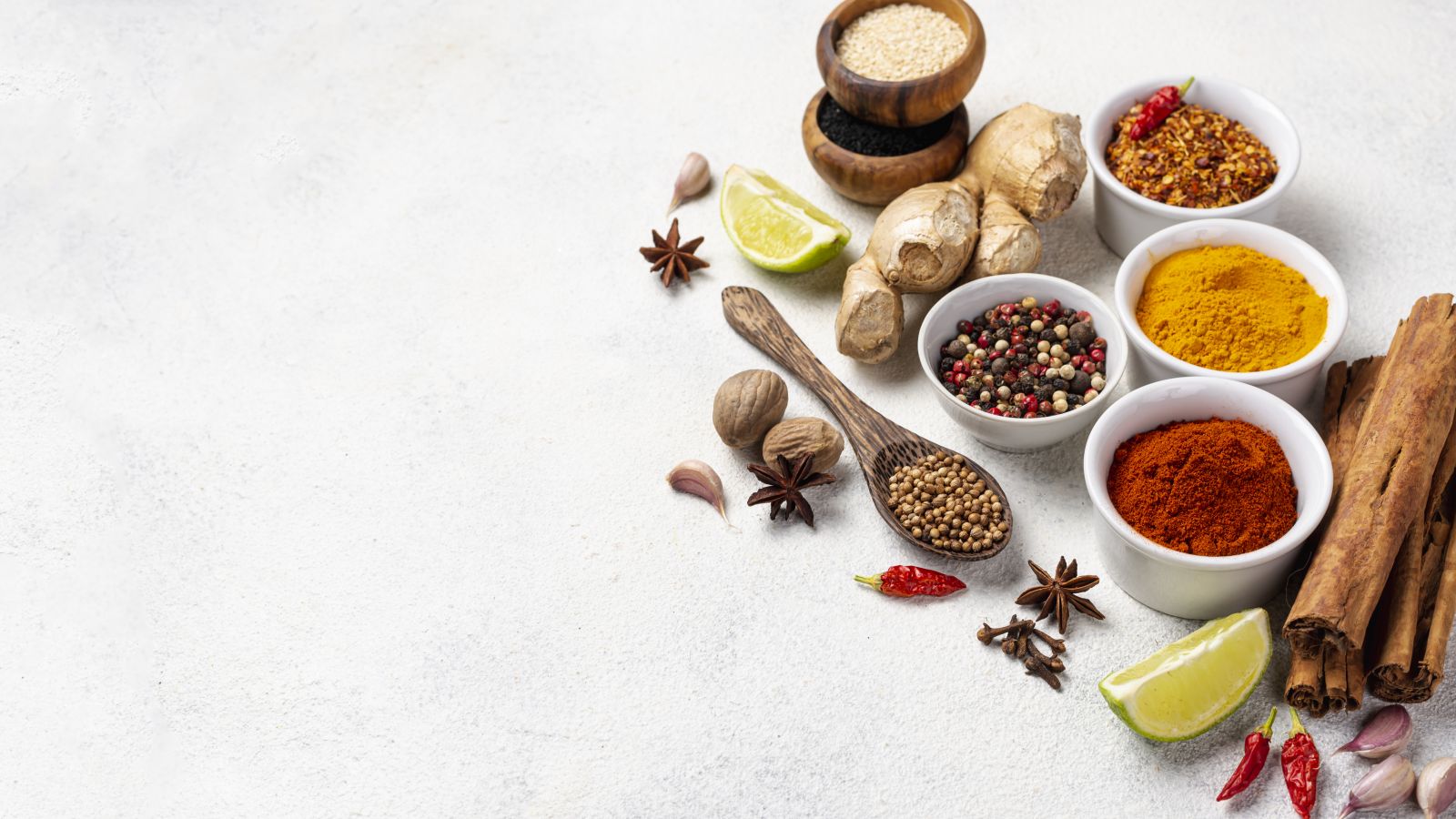
Enrich the flavor with spices while reducing the use of salt
4. Be Wise When Eating Out
There is nothing wrong with expressing your wishes to the staff of a restaurant. There are many ways to do this, such as by requesting that the food not have extra salt added or sauces served separately to control consumption. Also, for some foods, such as meatballs, soup, or miso, make sure to taste them first before deciding to add salt.
Why we need to limit salt intake
Not only to prevent hypertension, but limiting salt intake is also necessary to improve general health. The efforts we make can provide health benefits. What are they? Here are some of them that you need to know:
-
Maintain heart health (maintain blood pressure, reduce the risk of stroke, heart attack, and heart failure)
-
Reduces the risk of stomach cancer
-
Reduces the risk of obesity
-
Reduce the risk of type 2 diabetes mellitus
By implementing the above strategies consistently, we can reduce salt consumption in our diet without sacrificing the taste or enjoyment of food. Starting from choosing fresh ingredients, choosing "low salt" or "no salt" products, increasing spices, and wisely choosing food outside the home. Let's start implementing these healthy steps in our daily lives!
Let's download the Fitie application now to get tips and other interesting information!