1. High Protein Foods
Damaged tissues require sufficient protein to aid in the healing process. Therefore, mothers should increase their protein intake to rebuild tissues and accelerate wound healing. Mothers do not need to weigh the protein, but ensure that every consumed food contains good protein, such as chicken, meat, eggs, fish, or legumes.
2. Omega-3 Fatty Acids and Antioxidants
Omega-3 fatty acids are an important factor that can enhance wound healing and help reduce infections. Sources of omega-3 intake include salmon, sardines, mackerel, anchovies, flax seeds, chia seeds, and walnuts. Meanwhile, sources of antioxidants are obtained from vegetables and fruits.
3. Natural Vitamins and Minerals
Calcium is one of the important minerals during breastfeeding, including for milk production and improving bone and dental health, relaxing muscles, enhancing blood clotting, and protecting against osteoporosis. Examples of sources include milk, yogurt, legumes, and eggs.
Iron deficiency can disrupt the wound healing process and cause low hemoglobin levels. Examples of iron-rich foods include red meat, beef liver, eggs, fish, dark green vegetables (spinach, broccoli), legumes, and beets. If the levels are low, consult a doctor to determine if supplementation is necessary.
Zinc can help skin resilience, enhance healing of damaged parts, and balance inflammatory responses during injuries. Examples of zinc sources include red meat, fish, seafood, legumes, pulses, and grains. Adding zinc supplements needs to be consulted with a doctor, similar to iron.
Apart from minerals, vitamins also need attention after a cesarean section, such as vitamin C. Its levels will rapidly decrease after tissue damage, leading to delayed wound healing. Additionally, collagen production can be supported by vitamin C. Good sources of vitamin C include citrus fruits, berries, kiwi, papaya, red peppers, and green vegetables.
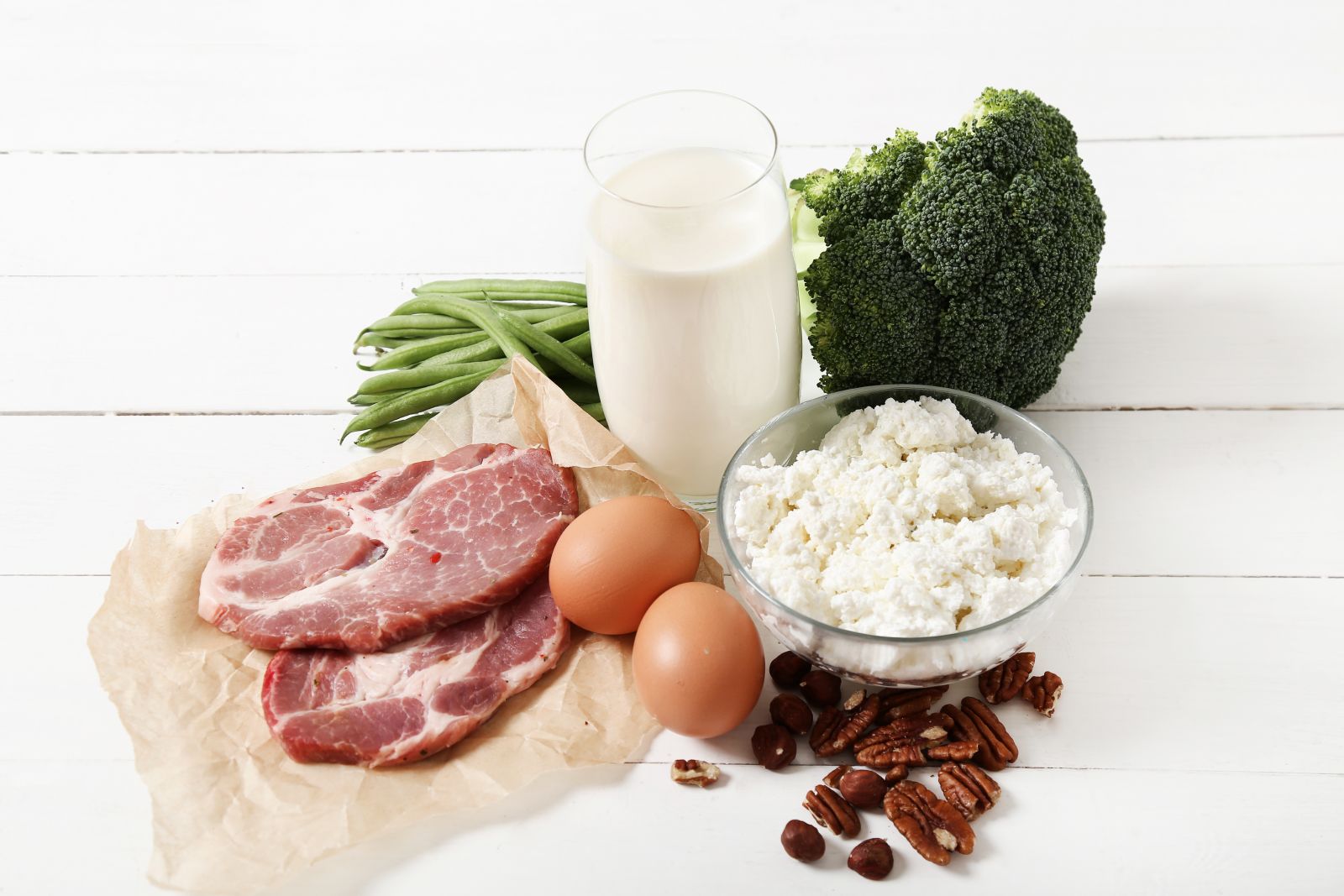
Increase intake of calcium, iron, zinc, and vitamin C.
4. Increase Water Intake
The purpose of increasing water intake after a cesarean section is to aid in the wound healing process. When the body is not well-hydrated, damaged tissues cannot receive the necessary oxygen and nutrients. Insufficient hydration can also lead to delayed wound healing.
In addition to wound healing, hydration is also important to aid bowel movement (which is usually disrupted after surgery), thus preventing constipation. We know that to facilitate bowel movements, increase consumption of fiber-rich foods (vegetables, fruits, grains). However, its effectiveness will be optimal when accompanied by increased water intake.
Ensure the body is well-hydrated.
Consuming the right nutrients is key to ensuring optimal healing processes after a cesarean section. By paying attention to the consumption of foods rich in protein, omega-3, antioxidants, vitamins, minerals, and maintaining body hydration, the recovery process will be faster, complications will be avoided, and one will be able to return to daily activities. Don't forget to share this information with relatives!
Hey, grab the Fitie app now for cool tips and other fun stuff!