1. Wash Your Hands and Stop the Bleeding
The first step before treating a wound is to wash your hands. Use soap and water to clean your hands thoroughly to prevent infection. Once finished, the next step is to stop the bleeding.
In general, minor cuts or scratches will usually heal on their own. However, if necessary, press the wound with a clean cloth for approximately 1 to 2 minutes and elevate the injured part until the bleeding stops. It may hurt a little, but only for a short time.
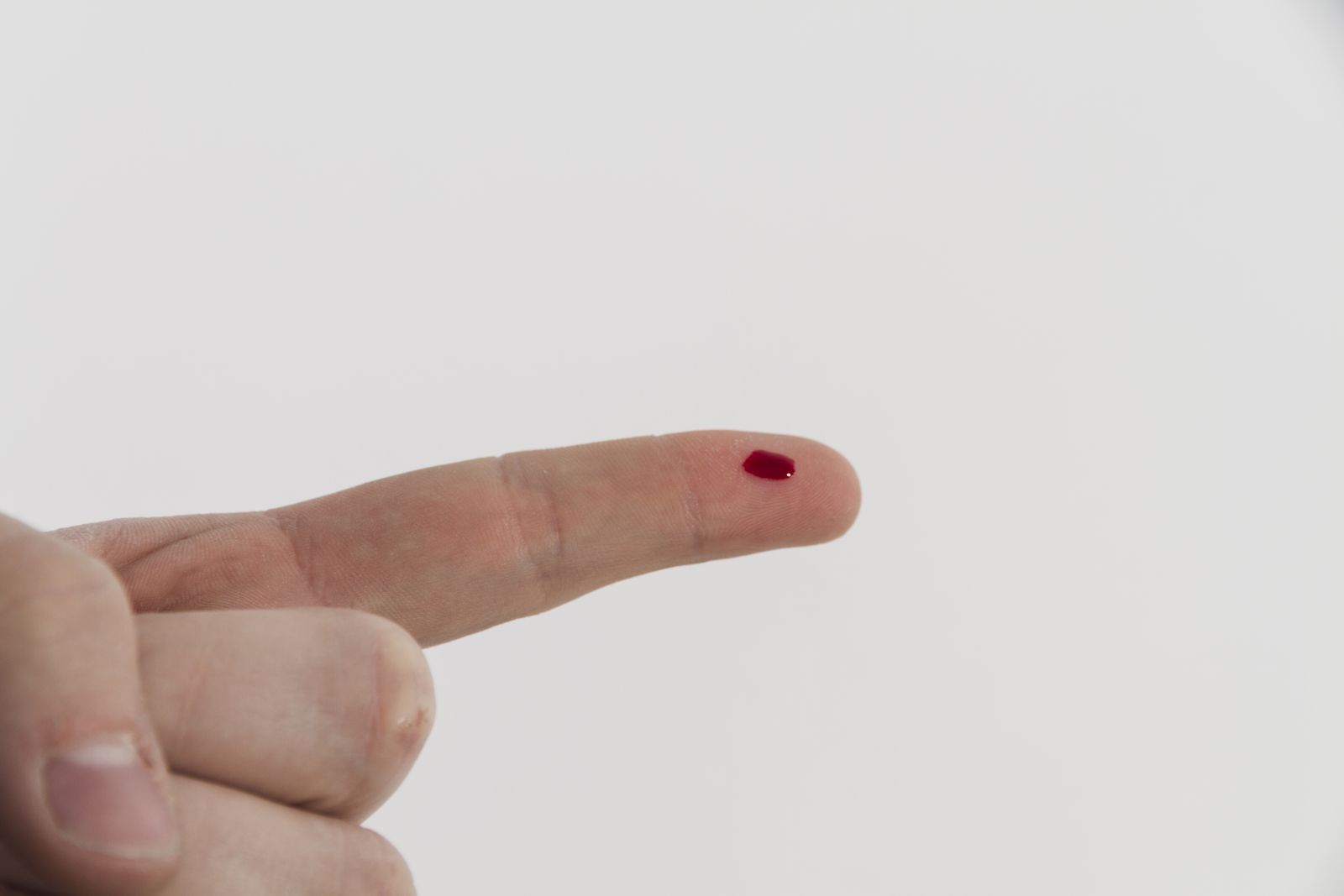
2. Clean the Wound
After the bleeding stops, clean the wound by running it under clean water to reduce the risk of infection. Wash the area around the wound with soap, but avoid getting soap in the wound. Avoid using hydrogen peroxide or iodine as they can irritate the wound. If there is dirt or debris in the wound, remove it with tweezers that have been sterilized with alcohol.
3. Apply Petroleum Jelly
Many people use iodine to treat wounds, but according to the Mayo Clinic, the correct step for treating minor wounds is to apply a thin layer of petroleum jelly to keep the wound surface moist and prevent scarring. Apply it until the wound heals. If you experience an allergic reaction such as a rash, stop using the product immediately.
4. Cover the Wound
If the wound is large or at risk of being exposed to clothing or other objects, cover it with a bandage or gauze to keep it clean and prevent it from reopening. For small abrasions, covering is not necessary. Change the bandage or gauze at least once a day or when it becomes wet or dirty.
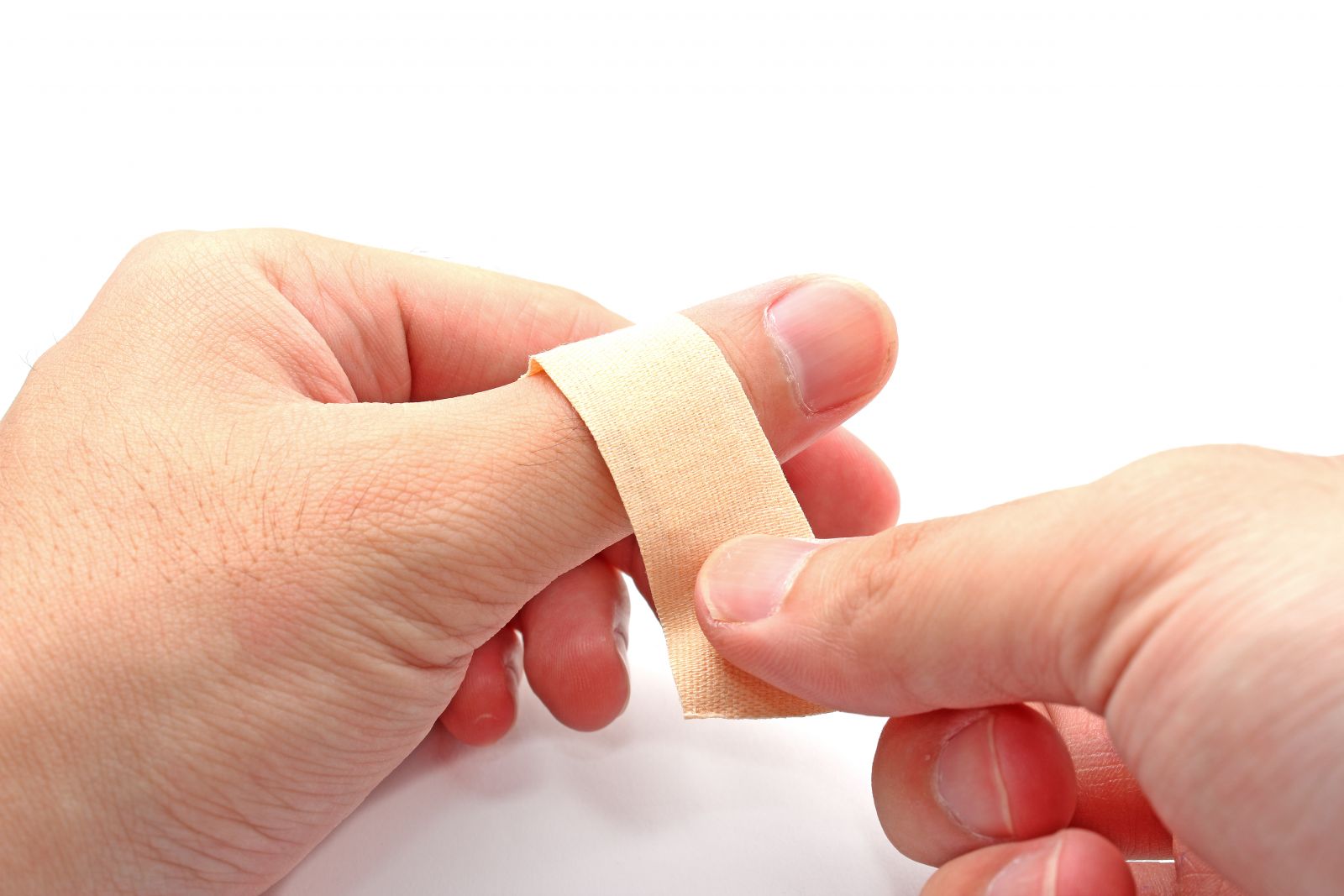
5. Additional Steps
If you feel pain in the wound, consider taking over-the-counter pain relievers, such as acetaminophen. Additionally, be aware of the risk of tetanus. If you are concerned, ensure you are up-to-date with your tetanus vaccination.
6. Be Alert for Signs of Infection
Minor injuries or cuts often occur even when we are careful. Applying first aid measures may not be enough, as the risk of infection remains. Be aware of the following signs of infection:
- Redness and swelling around the wound
- Persistent or worsening pain in the wound area
- Warmth around the wound
- Pus or unusual fluid discharge
- Slow healing or no improvement
- Spreading redness indicating infection
- Fever and chills
- Swelling and pain in the lymph nodes near the wound
Treat minor wounds by washing your hands, stopping the bleeding by pressing for 1 to 2 minutes, cleaning the wound with running water, applying petroleum jelly, and covering the wound with a bandage or gauze. Most minor wounds heal within a few days (less than a week), but seek medical attention if the wound worsens or shows signs of infection.
Hey, grab the Fitie app now for cool tips and other fun stuff!