Adjuvant therapy, or in layman's language known as preventative chemotherapy, is a follow-up treatment (additional therapy) for cancer. This therapy targets cancer cells that are not destroyed by the main treatment. By doing so, it means more time spent treating the cancer, but can reduce the risk of someone getting the cancer again.
Usage
In fact, adjuvant therapy is the same as therapy commonly used for cancer. Someone with breast cancer, colon cancer, or lung cancer will usually be recommended therapy. However, there are several factors that will be considered before recommending it as a further treatment, such as the following:
- Having undergone the initial stages of the cancer treatment process, which was diagnosed at an early stage.
- Having undergone the process of treating cancer that was diagnosed at an advanced stage.
- Some cancer cells were found in the lymph nodes.
Sometimes, even though the results of imaging tests have shown that cancer cells have been found, adjuvant therapy is still recommended. This is because cancer cells can be microscopic (very small), so they cannot be detected via MRI or CT scan. On the other hand, this does not mean that someone still suffers from cancer.

Adjuvant therapy aims to eliminate cancer cells that may remain after the removal process.
Adjuvant vs Neoadjuvant Therapy
Adjuvant therapy is a follow-up treatment for cancer, while neoadjuvant therapy is treatment carried out before the main treatment. For example, someone undergoes chemotherapy or radiation therapy before undergoing surgery to remove tumor cells with the aim of reducing their size. This will then make the process of removing tumor cells easier.
Why so? Because not only are the cancer cells removed, but also the edges, namely the healthy tissue around the tumor. With this neoadjuvant therapy, a surgeon does not need to remove more healthy tissue. The smaller the tumor, the less healthy tissue is removed, the smaller the incision, and the faster the recovery.
Procedure
As mentioned previously, this therapy can be used to treat several types of cancer, such as breast cancer, colon cancer, and non-small cell lung cancer. This is usually done in early-stage cancer. This therapy can include several methods, such as radiotherapy, chemotherapy, immunotherapy, hormone therapy, and targeted therapy.
- Breast cancer: additional therapy usually depends on the type of cancer and the type of surgery performed. For example, radiotherapy after a lumpectomy or mastectomy, chemotherapy to kill remaining cancer cells, immune therapy for stage II or III triple-negative breast cancer, hormone therapy for hormone-sensitive tumors, targeted therapy for HER2-positive breast cancer, and radiation therapy for male breast cancer.
- Colon cancer: adjuvant chemotherapy and/or radiotherapy are usually recommended for advanced treatment of stage II or stage III colorectal cancer.
- Lung cancer: immune therapy for non-small cell lung cancer after chemotherapy.
- Small cell lung cancer: adjuvant chemotherapy and radiotherapy for cancer diagnosed at an early, operable stage.
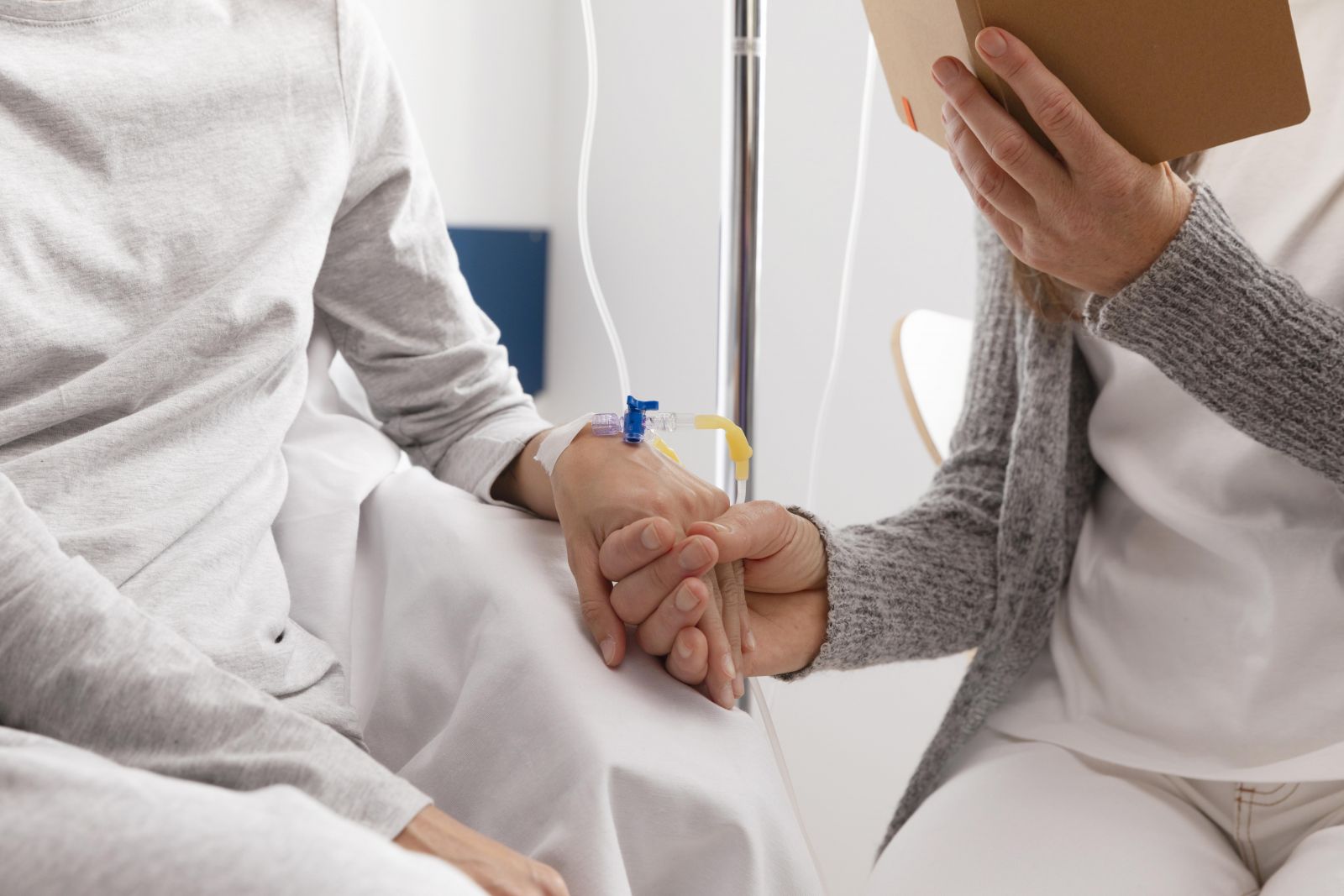
Adjuvant therapy procedures can be recommended for breast, colon, and lung cancer.
Adjuvant therapy is a vital strategy in the battle against cancer, such as breast, colon, and lung cancer. This therapy aims to eliminate cancer cells that may remain after the main treatment. Through this treatment, the chances of reducing the risk of cancer returning can be increased, thereby giving patients hope and a chance to recover.
Hey, grab the Fitie app now for cool tips and other fun stuff!