1. Psychological
From a psychological perspective, prayer has benefits in psychological well-being, ranging from stress reduction, anxiety, depression, and overall mental health improvement. In addition, for people facing difficult situations, such as chronic illness or death, prayer is known to reduce psychological distress and provide comfort and hope for them.
Prayer causes significant changes in brain function and autonomic nervous system activity, especially in parasympathetic activity (related to relaxation) and decreased sympathetic activity (related to stress response). Therefore, prayer is not only a duty but also provides inner peace.
2. Neurological
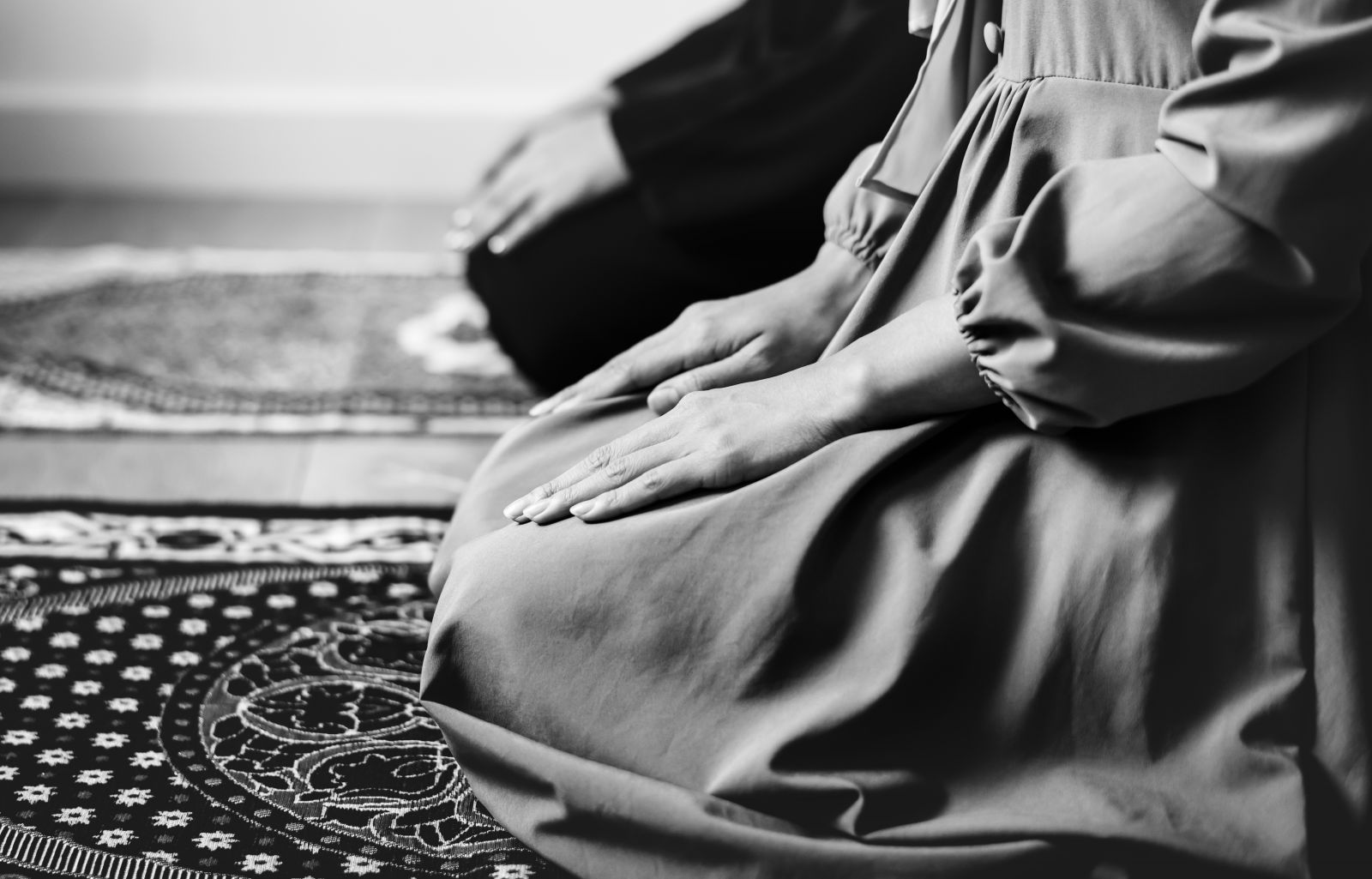
Prayer, besides having spiritual and religious aspects, is also a repetitive activity and can improve mental intelligence related to its effects on brain nerves, especially in cognitive and motor components. The prostration position (position where the head is lower than the heart) can increase blood supply to the brain and have positive effects on memory, concentration, and cognition.
Moreover, individuals who regularly perform prayers are known to have better dynamic balance compared to those who do not pray. This dynamic balance includes reaction time (the time between receiving a stimulus and a motor response in a conscious state), movement speed, and direction control.
3. Heart and Blood Vessels
Movements in prayer have physical exercise value equivalent to light exercise, thus associated with heart and blood vessel health. Physical movements in prayer, such as standing and sitting repeatedly throughout the day, can also help prevent blood clotting in blood vessels.
Prayer has benefits for heart rate (standing increases heart rate, while prostration decreases heart rate). Additionally, blood pressure (both systolic and diastolic values) that may not be controlled can decrease after performing prayer, besides its positive effect as a form of meditation.
.jpg)
4. Muscles and Bones
Prayer is an activity involving most muscles and joints of the body, thus can be considered as a stretching activity. Movements in prayer are included in light exercises that are simple and gentle for all ages and body conditions. During prayer, muscle contractions and relaxations are balanced, thus increasing flexibility without causing excessive fatigue.
In addition to having positive effects on muscle flexibility, movements in prayer are also beneficial for maintaining postural balance, increasing muscle tone, improving circulation, and may have a protective role in reducing osteoarthritis in weight-bearing joints.
5. Relaxation
Meditation is a practice to focus the mind on objects, thoughts, or specific activities to train awareness, achieve clear mental and emotional states, where prayer is one method among many types of meditation. This is because prayer activity can provide inner peace for those who perform it.
Prayer causes significant changes in brain function and autonomic nervous system activity. More specifically, in parasympathetic activity (related to relaxation) and decreased sympathetic activity (related to stress response). Therefore, prayer is not only a duty but also provides inner peace and tranquility.
Prayer is not only a religious obligation but also an activity that has a significant impact on health. Starting from stress reduction and increasing cognitive abilities, cardiovascular health, muscles, bones, and relaxation. Therefore, prayer is considered as part of a healthy lifestyle.
Hey, grab the Fitie app now for cool tips and other fun stuff!