The eating pattern known as "clean eating" typically involves whole fruits, fresh vegetables, lean proteins, whole grains, and healthy fats, while limiting consumption of processed foods and packaged foods with added sugars and salt. Essentially, it involves consuming fresh, organic, natural products and foods that are minimally processed.
While clean eating can have positive connotations, it can create unrealistic expectations and may label certain foods as "unclean," potentially leading to negative consequences if taken to extremes, such as anorexia nervosa, orthorexia nervosa, osteoporosis, amenorrhea, and depression.
Increasing Whole Food Consumption
To simplify meal planning and avoid feeling deprived of favorite foods, focus on incorporating more whole foods rather than restricting too much. You don't have to buy all organic products, but simply add more vegetables, fruits, and nutrient-dense foods to each meal.
1. Eat More Vegetables and Fruits
If your vegetable or fruit intake has been limited to once a day, increase the frequency. These foods are rich in fiber, vitamins, minerals, and antioxidants. While consuming organic produce aims to avoid pesticide exposure, conventional vegetables and fruits are still very much beneficial for health.

Eat more fruits and vegetables
2. Limit Processed Foods and Packaged Snacks
Consuming ultra-processed foods, such as fast food, packaged beverages, and snacks, can increase the risk of heart problems due to their high content of added sugars, salt, preservatives, artificial colors, and stabilizers, while their nutritional value decreases.
3. Limit Refined Carbohydrates
Refined carbohydrates tend to be low in nutrients. These include white bread, pastries, baked goods, ready-to-eat cereals, or other flour-based foods (made from refined grains). Therefore, opt for minimally processed grain-based foods.
4. Get into the Habit of Reading Nutrition Information
Although whole foods are prioritized, there's no prohibition on consuming packaged foods. However, before purchasing, make sure to read the nutrition information and composition, especially for canned nuts, meat, tuna, vegetables, and fruits. If there's an option without added salt or sugar, it's preferable.
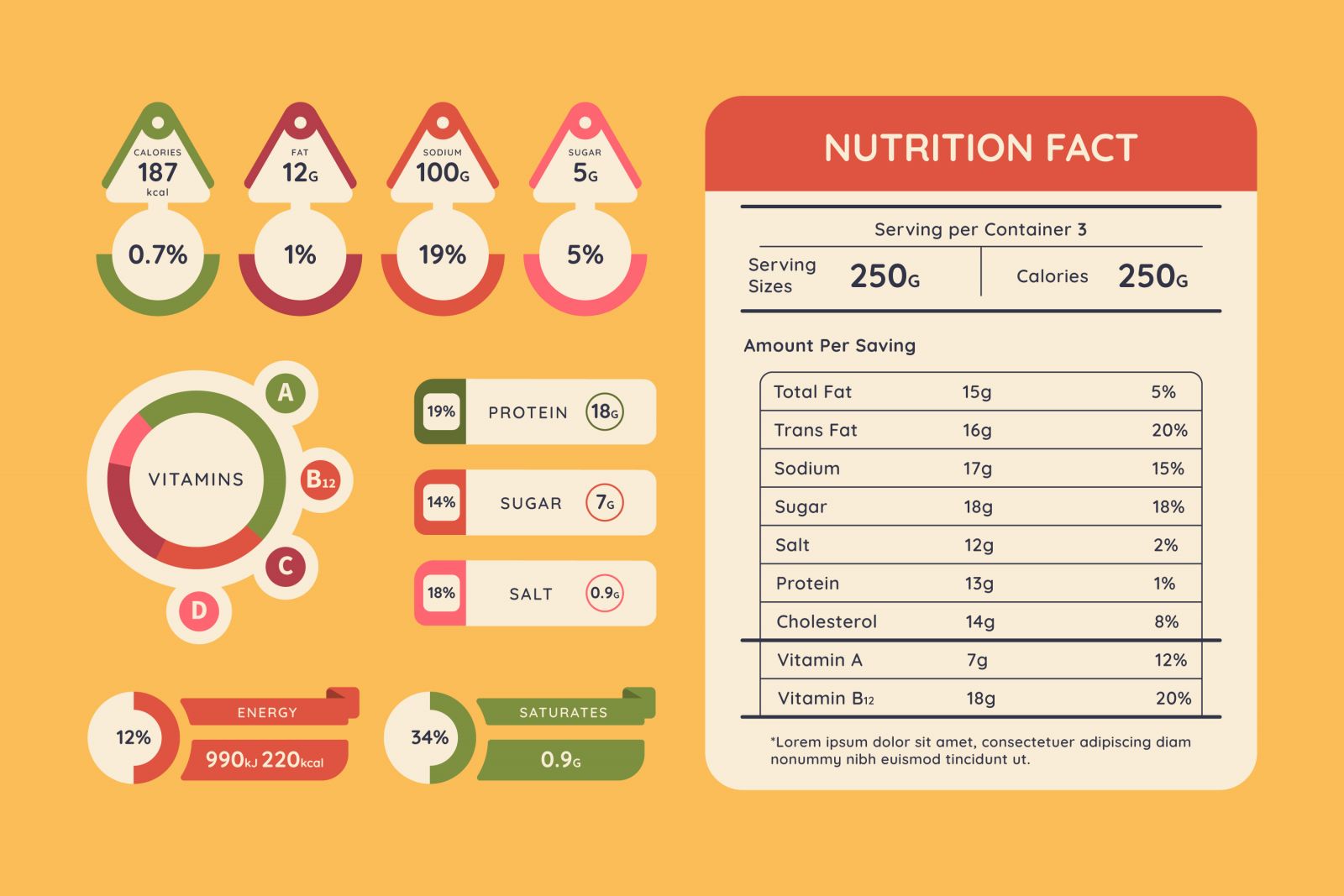
Cultivate reading nutritional value information
5. Choose Healthy Fats
Typically, we use palm oil and margarine in food preparation. Both products undergo extensive processing, making them not always suitable for consumption. If possible, prioritize soybean oil, corn oil, canola oil, or olive oil. Healthy fats are not only found in oils but also in avocados and omega-3-rich fish.
6. Reduce Added Sugar Consumption
Limiting added sugar intake is crucial. This is because it increases the risk of obesity, diabetes, fatty liver, and cancer. Added sugars include not only granulated sugar added to food or drinks but also hidden sugars in sauces, packaged drinks, or desserts.
Clean eating is a popular term aimed at promoting a healthy eating pattern but can have negative impacts if taken to extremes. To simplify it, focus on consuming more vegetables and fruits, limit processed foods, packaged snacks, and refined carbohydrates, choose healthy fats, reduce added sugar consumption, and always remember to read the nutrition information and composition of a product before purchasing it.
Hey, grab the Fitie app now for cool tips and other fun stuff!