Anterior Cruciate Ligament (ACL) injury is an injury to the anterior cruciate ligament in the knee. This condition generally occurs due to excessive pressure on the knee, leading to ligament tears. The function of the ACL is to connect the thigh bone and shinbone and prevent the knee from bending or rotating excessively. ACL injuries can be divided into three levels:
- Level one: ACL stretches, but remains intact.
- Level two: ACL stretches severely, resulting in partial tears and becoming loose.
- Level three: complete tear occurs, causing the ligament to split into two parts.
Causes
ACL injuries generally occur due to excessive pressure on the knee, especially in athletes or physical activities involving sudden movements, such as soccer, basketball, or gymnastics, but can also occur in individuals who fall or are involved in car accidents. This condition occurs because the knee undergoes excessive pressure, causing it to move or rotate.
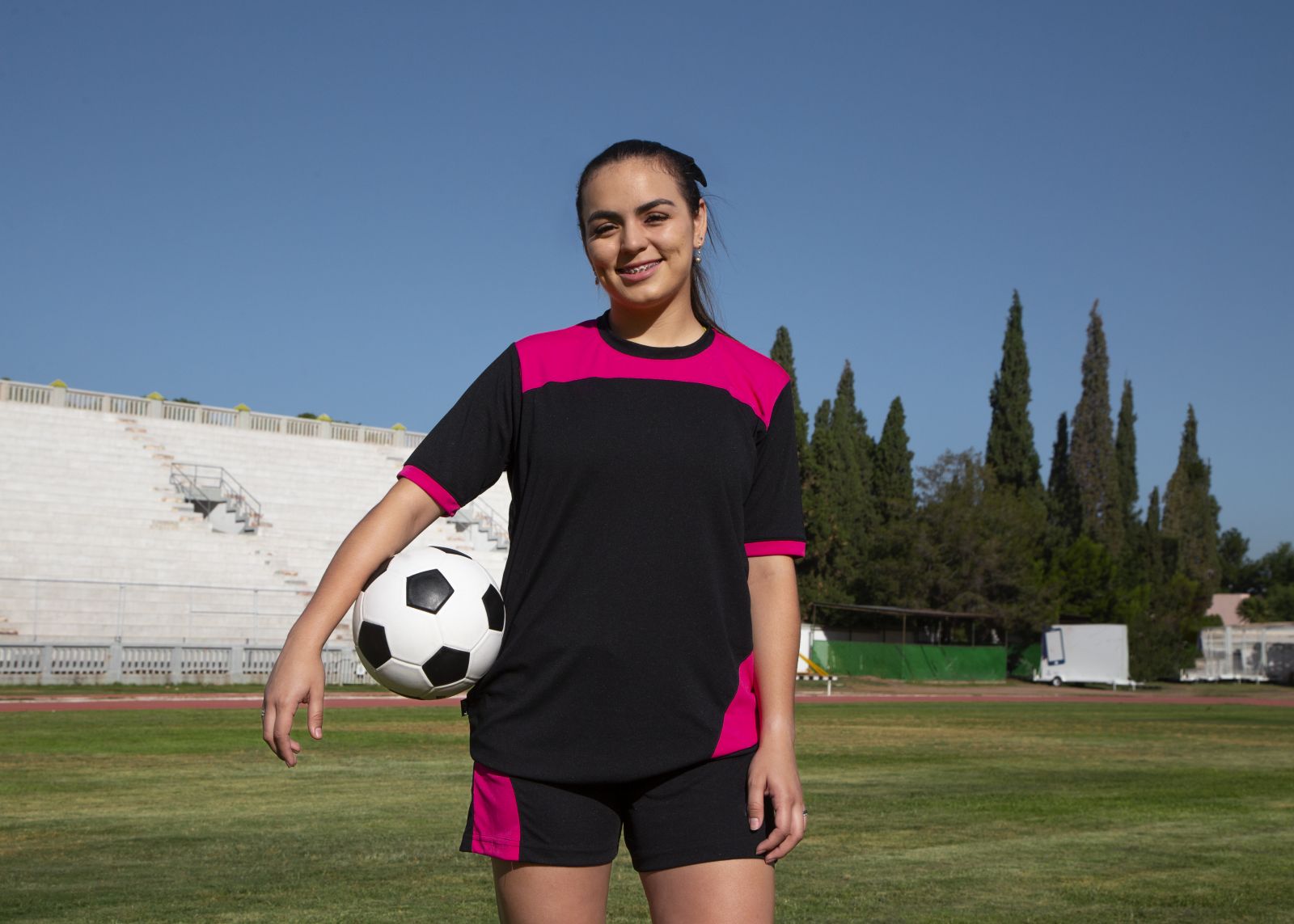
ACL injuries are prone to occur in soccer, basketball, or gymnastics athletes.
Symptoms
Many people are aware when their ACL is torn. They may feel or hear a "pop" sound in the knee, followed by a weak and unstable feeling in the knee. Although ACL injuries can be very painful, some people only experience mild discomfort.
Diagnosis
It is important to consult a healthcare provider immediately if experiencing knee injuries, especially if a "pop" sound is heard or felt. The doctor will diagnose a torn ACL by assessing symptoms, conducting a physical examination (asking the knee to be moved), and performing further tests (x-rays, CT scans, MRI).
Treatment
ACL tears do not heal on their own but can still be managed, especially in mild tears. If you want to return to activity, surgery is usually necessary, which is also chosen by many people. On the other hand, treatment depends on the severity of the injury.
The initial steps involve increasing rest time and following the RICE method. The explanation is as follows:
- Rest: avoid activities that cause injury and do not move the knee too much during healing.
- Ice: apply a cold compress or ice pack wrapped in a thin towel to the knee for 15 minutes several times a day.
- Compression: wrap the knee with an elastic bandage to help reduce swelling.
- Elevation: elevate the knee and leg higher than the heart position as much as possible.
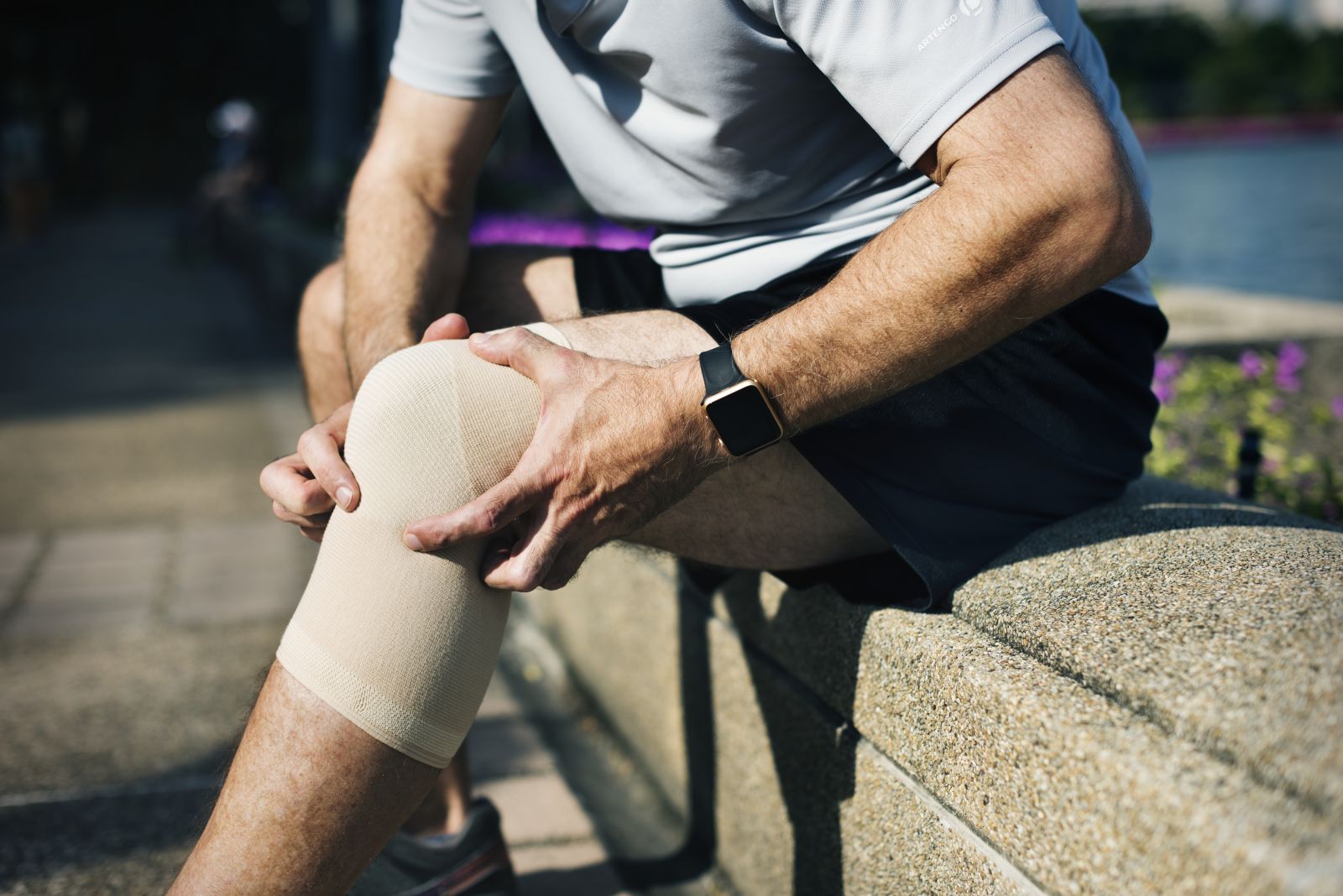
Prioritize rest and implement RICE to treat ACL injuries.
Prevention
To reduce the risk of injury, avoid rotating body movements over the knees or applying excessive pressure to the knees, and ensure the surrounding environment is free from items that may cause the body to fall or slip. Methods for preventing ACL injuries include:
- Using appropriate protective gear when exercising.
- Not forcing yourself to play despite feeling pain in the knee.
- Giving the body time to rest and recover after intense physical activity.
- Stretching and warming up before exercising.
- Cooling down and stretching after physical activity.
- Performing knee and lower body strengthening programs outside the sports season to prepare the knee joints for stress during the sports season.
- Using additional support before climbing chairs or tables (do not climb directly).
ACL injuries occur because the knee undergoes unnecessary pressure. The initial action in treatment is to rest and apply RICE. Prevention is better than cure, so to reduce the risk of ACL injury, always use protective equipment, proper sports techniques, regular warm-ups and cool-downs, and do not let the knees reach beyond their capabilities.
Hey, grab the Fitie app now for cool tips and other fun stuff!