Shopping is a delightful hobby. For many, exploring rows of clothing, choosing styles, colors, and imagining trendy outfits is a pleasure. That's why some proudly call shopping their favorite pastime.
Shopping doesn't have to break the bank with expensive items. They say shopping is an art, which rings accurate, especially with the trend of thrifting. Thrifting is the act of buying high-quality used products. It's a true test of shopping prowess. Venturing into thrift stores can be an adventure, and it's not just about household items. Thrifting for clothing can be equally thrilling.
For those who've dabbled in thrifting, it's like discovering hidden treasures. These treasures might be pricey garments sold for a fraction of their original cost, discontinued famous brands, elusive seasonal designs, or other exciting finds. However, thrifted clothing shopping requires patience and attention to detail. Before purchasing, thoroughly inspect the item, checking for material quality, color, stitching, and any defects. You wouldn't want to regret your purchase later. Thrifting for clothes is gaining popularity among people who may not have previously considered it.
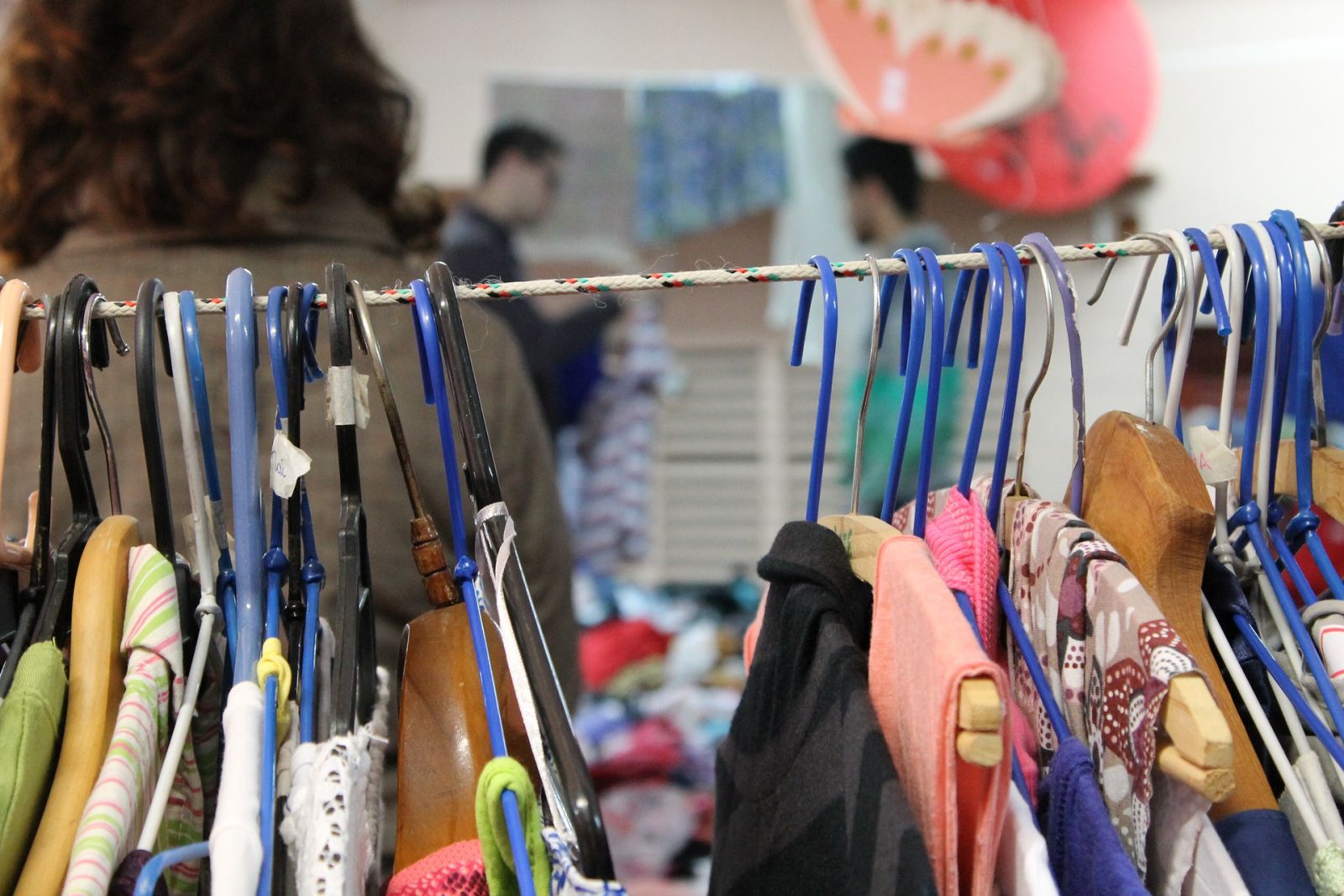
Undeniably, the younger generation leading the thrifting trend, often Generation Z, is tech-savvy, environmentally conscious, and well-informed. They view thrifting as a practical solution to the problem of clothing waste.
According to Fashion Revolution, the thrifting process begins with recycled clothes and eventually sold to suppliers, who are used clothing sellers. The sellers then sort the clothes into those that can be resold and those that can't. Clothes deemed unsuitable for thrift stores may still end up in landfills, leaving a carbon footprint, mainly due to transportation during the sorting process. However, when compared to fast fashion, thrifting is far more eco-friendly, as it doesn't require raw materials for new production. If you've embraced thrift fashion or buying secondhand clothes, paying attention to materials and proper care is crucial to ensure they last, reducing the need for new clothing purchases. Thrift shopping can be both fashionable and environmentally responsible.