Pursuing beauty and healthier skin keeps the skincare world buzzing with excitement. With a multitude of skincare products available in the market, some people are inspired to delve into the world of skincare. However, others may find a complex skincare routine daunting, fearing potential side effects from unfamiliar chemicals. They tend to cling to skincare myths rooted in traditional ingredients, some of which have been proven harmful and cause adverse effects on the skin. Let's explore some of these commonly heard skincare myths.
Myth 1: Ice Cubes Shrink Pores
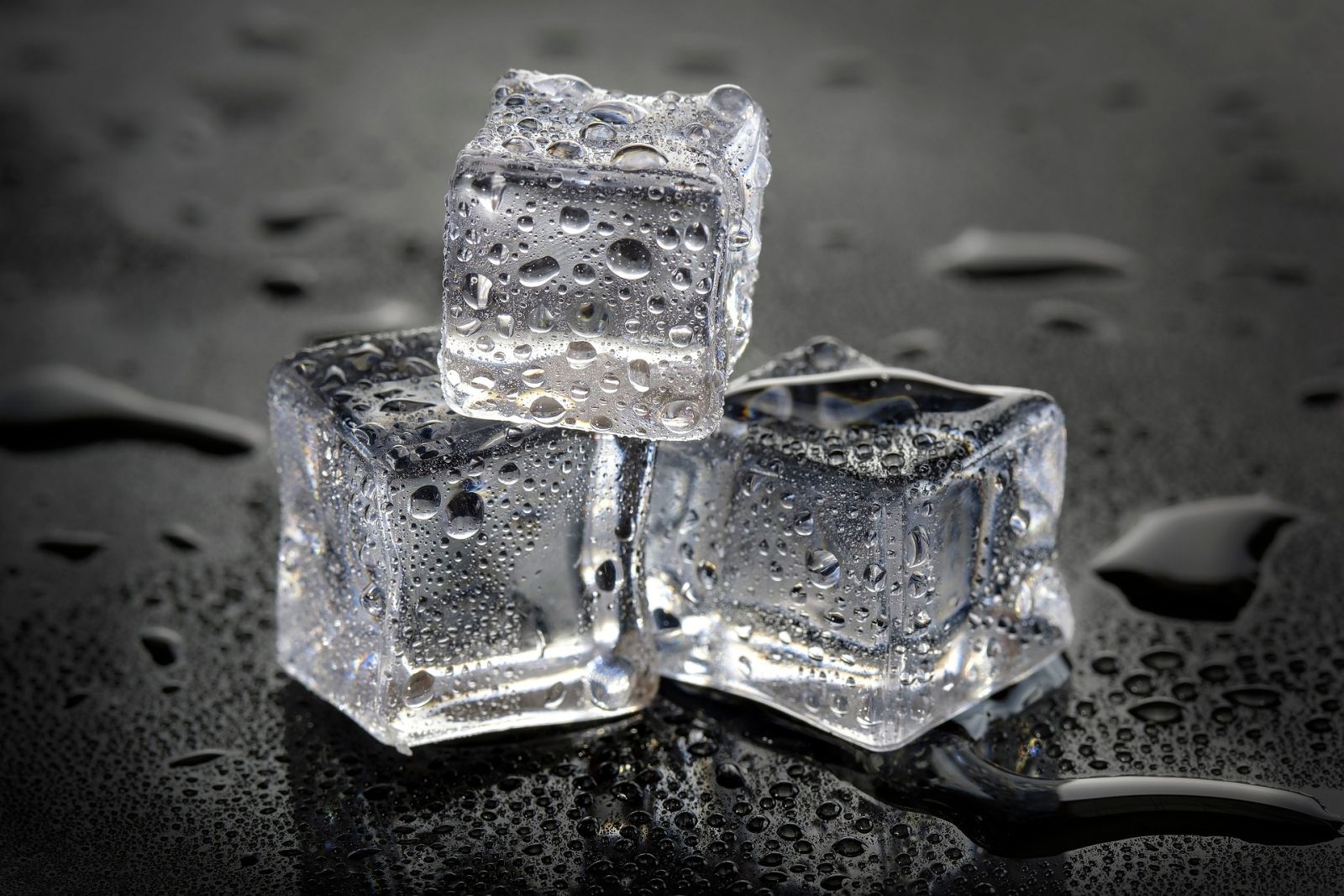
This myth is prevalent, with many people applying ice cubes to their facial skin to reduce pore size. It's true that ice's cold temperature can initially make pores appear smaller as they constrict. However, this effect is temporary. Once the cold sensation subsides, pores return to their original size. Regularly applying ice cubes won't permanently reduce pore size—only provide a fleeting illusion.
Myth 2: Baby Powder for Sensitive Skin
The belief that baby powder is gentle and suitable for sensitive skin is inaccurate. Baby powder contains magnesium carbonate and zinc dioxide, which can dry out adult skin and clog pores. Continuous use of adult facial skin can lead to blackheads and acne. Sensitive skin requires careful attention, so it's important not to use products indiscriminately.
Myth 3: Toothpaste as Acne Treatment
Toothpaste is designed for dental care, not skincare. While it may seem like a quick fix for acne, applying toothpaste to your face can lead to dryness and irritation. Toothpaste contains ingredients like fluoride, designed to clean teeth, not soothe skin. Its pH differs from facial skin's, posing a risk of irritation.
Myth 4: All-Natural Ingredients Are Always Safe

The allure of natural ingredients can be comforting, as they are often associated with safety and purity. However, this assumption isn't entirely accurate. While beneficial in the right context, some natural ingredients can have adverse effects if not used properly. For instance, lemon, known for its Vitamin C content, has a highly acidic pH that can irritate and dry the skin when applied directly. Raw egg white, touted for its protein content, may contain salmonella bacteria, which can pose health risks when applied to the face.
While natural ingredients can be beneficial, it's crucial to be discerning in their use and consider their potential effects on your skin. Not all-natural remedies are safe for all skin types, so choose wisely and always prioritize your skin's health and well-being.