Cervical cancer is a type of cancer that grows and develops in cervix of the female reproductive organs. The cervix is the lower third of the uterus (womb), which has a cylindrical shape, protruding, and connected to the vagina through the external uterine.
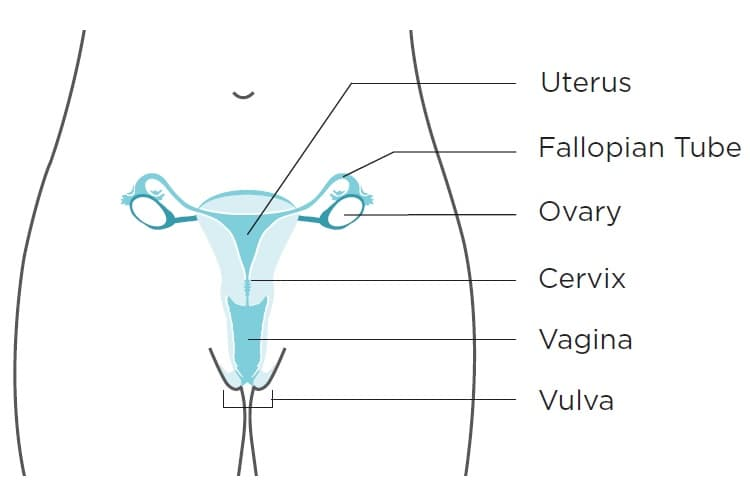
All women are at risk for cervical cancer. It occurs most often in women over age 30. In Indonesia, cervical cancer is ranked 2nd out of the 10 most common types of cancer based on data from Anatomical Pathology in 2010. According to the Ministry of Health of the Republic of Indonesia, it is estimated that there are 90-100 new cases of cervical cancer per 100,000 population.
What Are the Risk Factors for Cervical Cancer?
Almost all cervical cancers are caused by Human Papillomavirus (HPV), a common virus that can be passed from one person to another during sexual intercourse. HPV is a common virus that can be found and usually does not cause any symptoms, it is so common that most people get it at one point in their lives. Some HPV types can cause changes in a woman’s cervix that can lead to cervical cancer over time.
Several Things Can Increase Your Risk of Cervical Cancer :
- Smoking
- Use birth control pills for a long time (five or more years)
- Have given birth to three or more children
- Have several sexual partners
- Have HIV (the virus that causes AIDS) or another condition that makes it hard for your body to fight off health problems
How to Reduce the Risk of Cervical Cancer
Do not smoke, use condoms during sexual intercourse, and limit the number of your sexual partners are the lifestyles that you can do to reduce the risk of cervical cancer. Keep in mind that HPV infection can occur in both male and female genital areas, so the best way you can do is to prevent cervical cancer, such as:
- Get Cervical Cancer Vaccine
The cervical cancer vaccine or also called the HPV vaccine protects us from the type of HPV virus that causes cervical, vaginal, and vulvar cancer. This vaccination can effectively prevent new infections from the HPV virus but does not treat existing infections. HPV vaccination is recommended for preteens aged 11 to 12 years but can be given starting at age 9. HPV vaccine also is recommended for everyone through the age of 26 years, if they are not vaccinated already. Especially for women in the age range of 27-45 years who want to get the HPV vaccine, they should consult with the doctor first.
- Do Periodical Check-Up (Screening Tests)
There are two types of screening tests that can help prevent cervical cancer by detecting it early.
- The first one is the Pap test (or Pap smear) looks for cell changes on the cervix that might become cervical cancer if they are not treated appropriately.
- The second one is the HPV test looks for the virus that can cause cervical cancer.
All women have the risk to get cervical cancer. However, how much the risk is owned by each person can be different, because it is influenced by lifestyle and self-awareness of the health of reproductive organs. If we don’t care about it, cervical cancer in its advanced stage can cause bleeding symptoms shortly after sexual intercourse. Ladies, always communicate with the doctor if there is a problem with your reproductive organs. Don't forget to read other health only on Fitie!
Source :
Division of Cancer Prevention and Control. (2022). Cervical Cancer. Centers for Disease Control and Prevention. [online]. https://www.cdc.gov/cancer/cervical/
Kementerian Kesehatan RI. Panduan Penatalaksanaan Kanker Serviks. Kanker Kemenkes RI. [online]. http://kanker.kemkes.go.id/guidelines/PPKServiks.pdf