Jealousy is not limited to adults; it's something children experience too. Psychologists suggest jealousy is a natural reaction in children from insecurity and the fear of losing their parents' love.
This type of jealousy is often referred to as sibling rivalry, and it's one of the primary reasons behind frequent fights among children. Research indicates that children's jealousy isn't driven by hatred for their siblings but rather by changes in their circumstances. Situations where children perceive injustice or unequal treatment at home can lead to stress, mood swings, and even aggressive behavior.
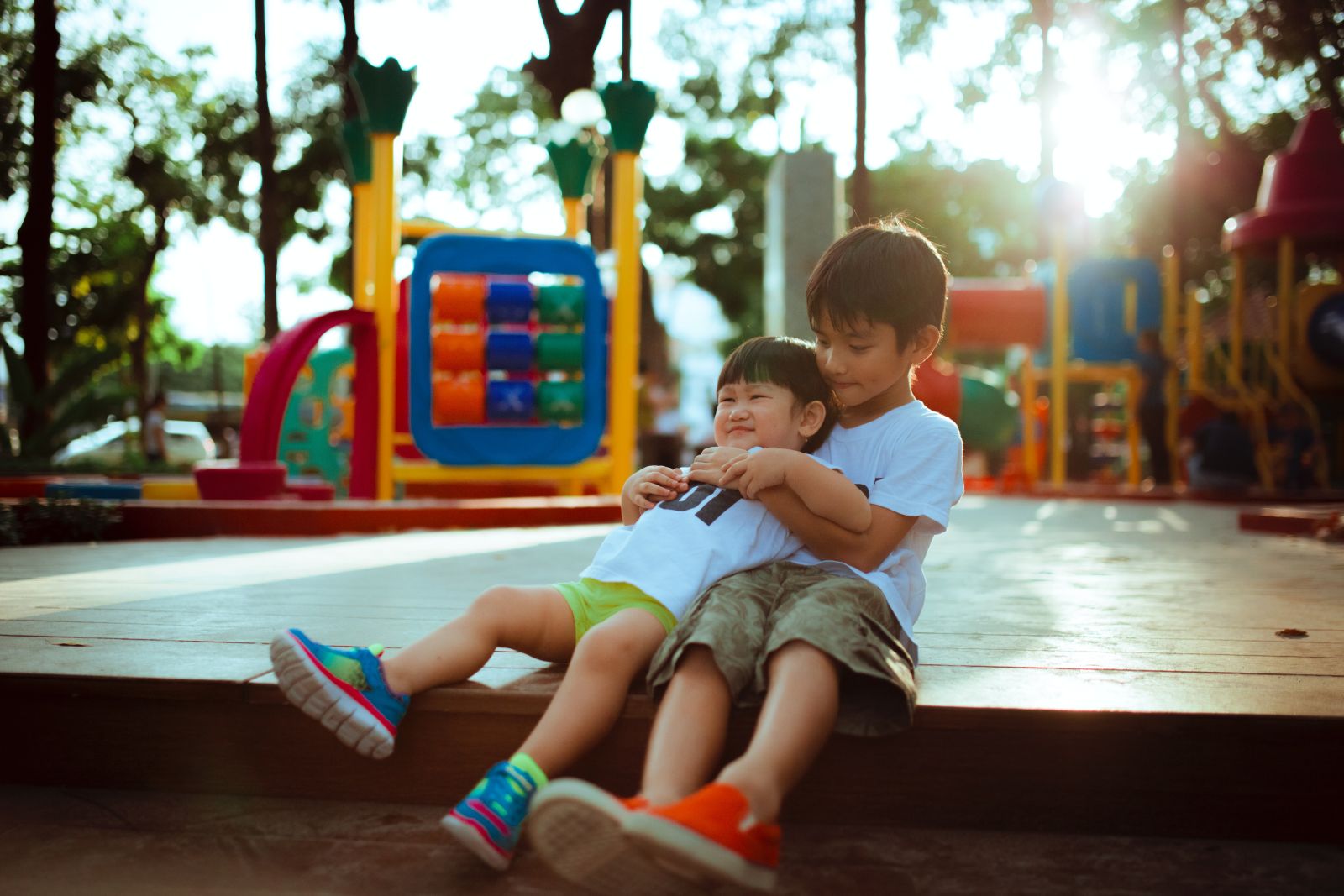
Recognizing the signs of jealousy and understanding how it manifests in children is crucial for parents. Here are five common forms of jealous behavior (sibling rivalry) that parents should be aware of:
Hostility and Rejection
Children may display physical and verbal aggression toward the sibling they're jealous of. This aggression often occurs because children lack the social skills to initiate positive interactions. They may want to play with their siblings but resort to hitting or fighting as they don't know how to engage positively.
Attention Seeking
Jealous children frequently seek attention from their parents. This behavior stems from the belief that their parents favor their siblings. They may feel resentful about receiving different treatment, especially when it comes to discipline or responsibilities.
Regression
Regression refers to children behaving younger than their actual age. It's a stress response, and many psychologists believe that stressed children often exhibit regressive behaviors. Examples include crying, a persistent need for parental presence, and bedwetting.
Negative Behavior
Jealousy can manifest as aggressive actions that have negative consequences. Children might break things, avoid their siblings, or confront playmates. Older children may use foul language toward their siblings and view them as rivals. Sometimes, jealousy is expressed through subtle, indirect behaviors like pretending to be sick, telling lies, or crying.
Competition
Children often compete for their parents' attention and approval. This competition allows them to establish their identity and demonstrate their uniqueness. They strive to outdo their siblings in various academic or non-academic aspects to gain recognition and avoid conceding defeat.
If managed effectively, jealousy can contribute positively to a child's cognitive, interpersonal, and social development. However, when left unchecked, it can lead to long-lasting negative consequences.
Parents play a vital role in understanding and addressing these forms of jealous behavior in their children. Parents can help their children navigate jealousy healthily and constructively by monitoring emotional growth and behavior.
By: Fitie Pen Pal, Isma Saqila