Ladies, especially those who manage their households, understand the significance of kitchen spices. These magical ingredients are the secret behind delicious dishes. From seeds like nutmeg and coriander to rhizomes such as ginger and turmeric and aromatic leaves like bay leaves and lime leaves – kitchen spices come in various forms and flavors. However, many women still struggle with properly storing these essential flavor enhancers. As a result, spices may lose their freshness or aroma too soon, which can be disappointing. Don't worry; we're here to help you with smart and effective ways to store your kitchen spices, ensuring your meals are always flavorful and loved by your family!
Buy Spices According to Your Needs
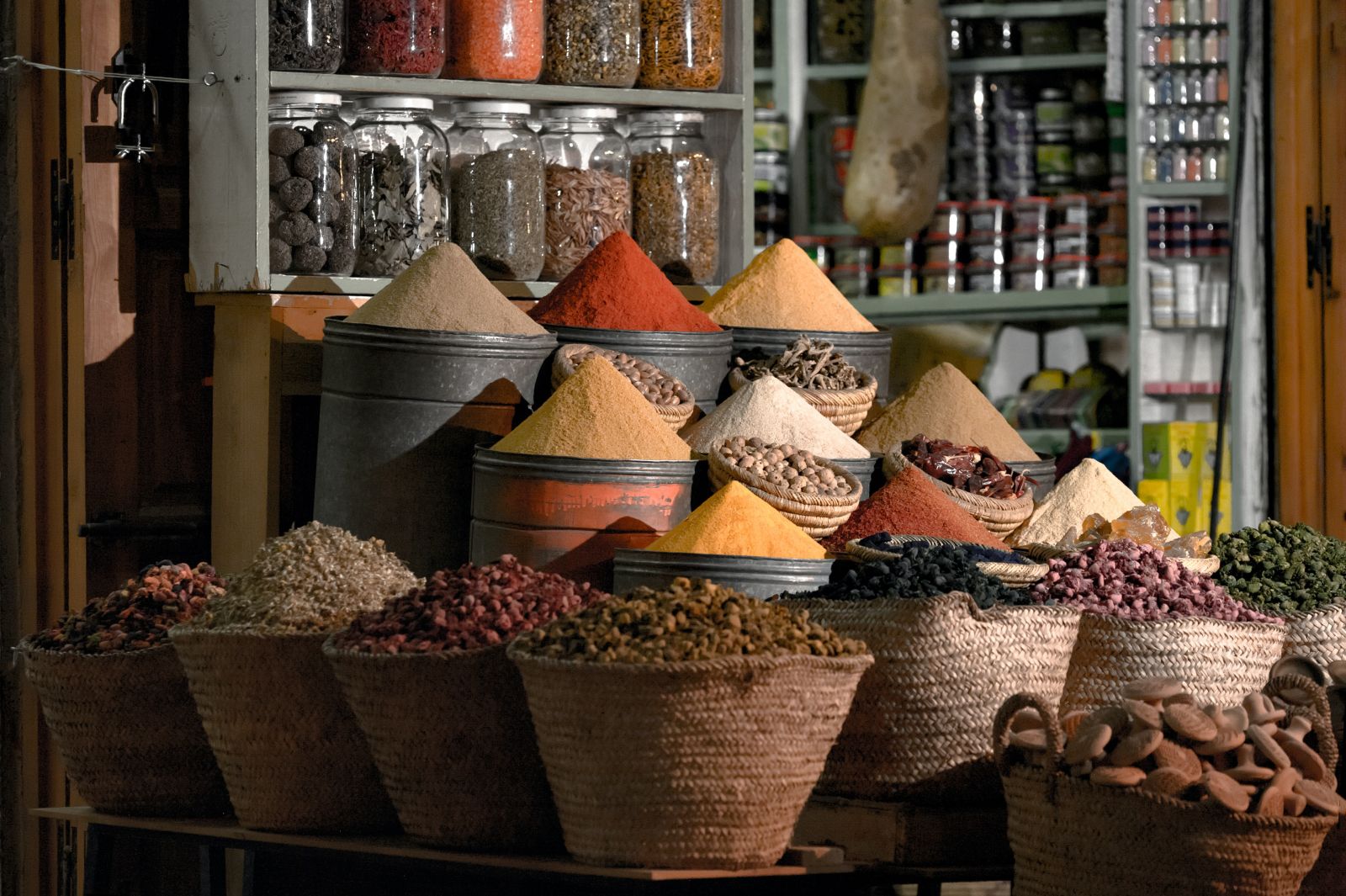
The key to storing kitchen spices effectively is to buy only what you need. Spices, especially fresh ones, have a limited shelf life. Their vibrant flavors and aromas tend to diminish over time. So, purchasing spices in quantities that you can use within a week or two is wise, avoiding waste. Avoid overbuying spices, especially those you rarely use.
Keep Spices Whole
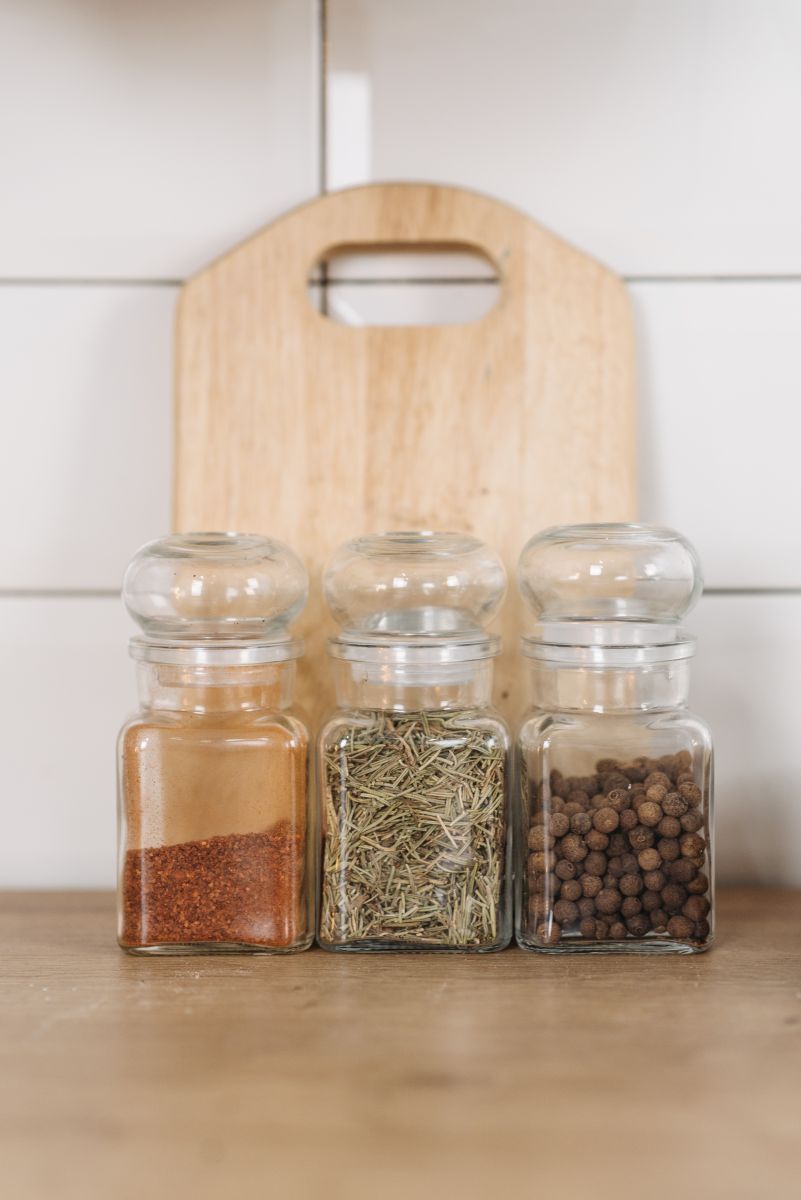
Spices come in various forms – some are dry and whole, like cinnamon sticks, candlenuts, anise, and nutmeg. These spices retain their essential oils and flavors best when stored whole rather than in powdered form. Ground spices tend to lose their potency more quickly. Ensure these whole spices are stored in airtight containers to maintain their freshness.
Allow Fresh Spices to Breathe
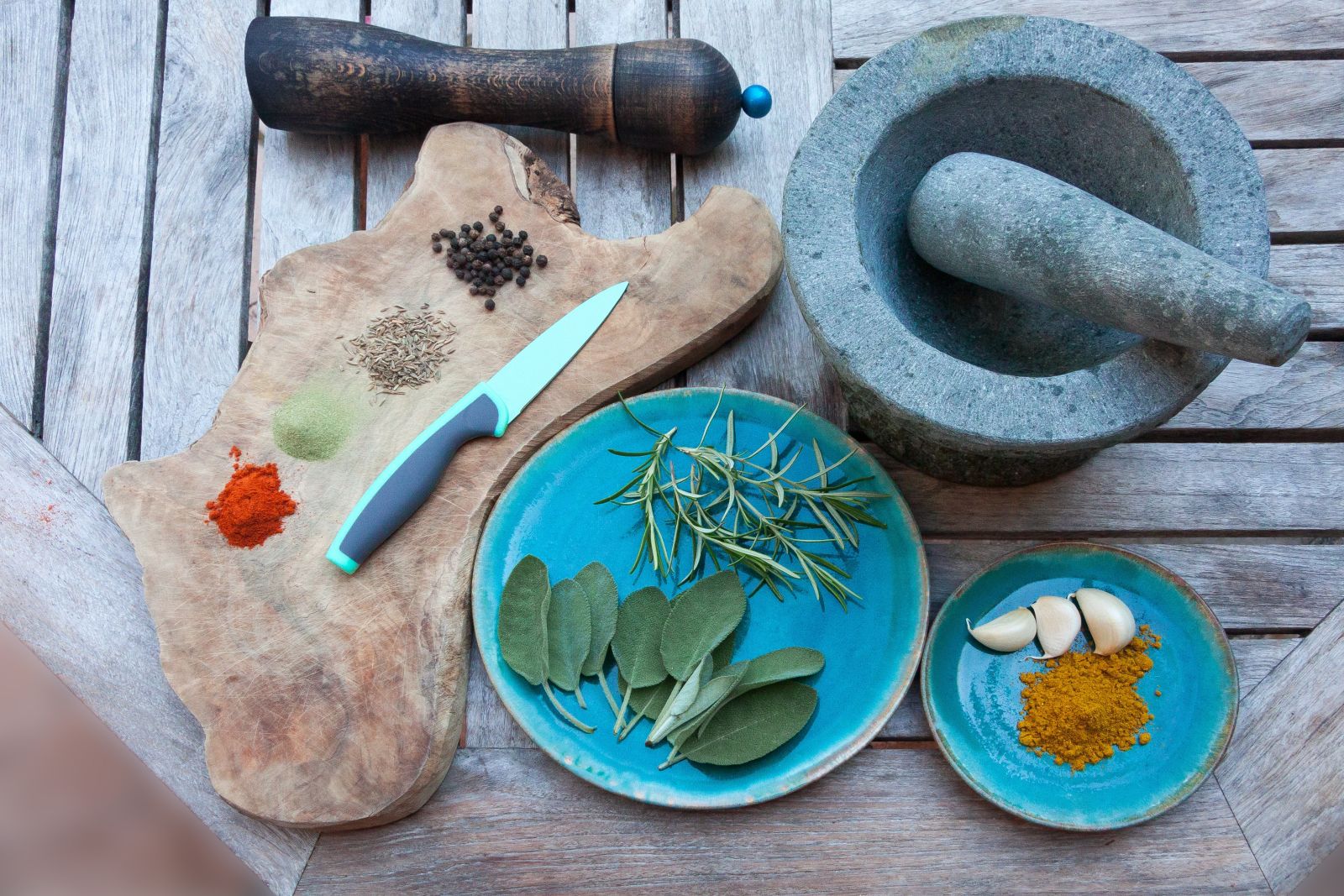
Certain kitchen spices, like rhizomes (ginger, turmeric, and galangal), stems (lemongrass), leaves (lime leaves, bay leaves), and chili peppers, can be stored openly to extend their longevity and prevent spoilage. You can also refrigerate these spices, but keep them away from heat sources like direct sunlight, stoves, or microwaves to preserve their freshness and aroma.
Seal Powdered and Chopped Spices
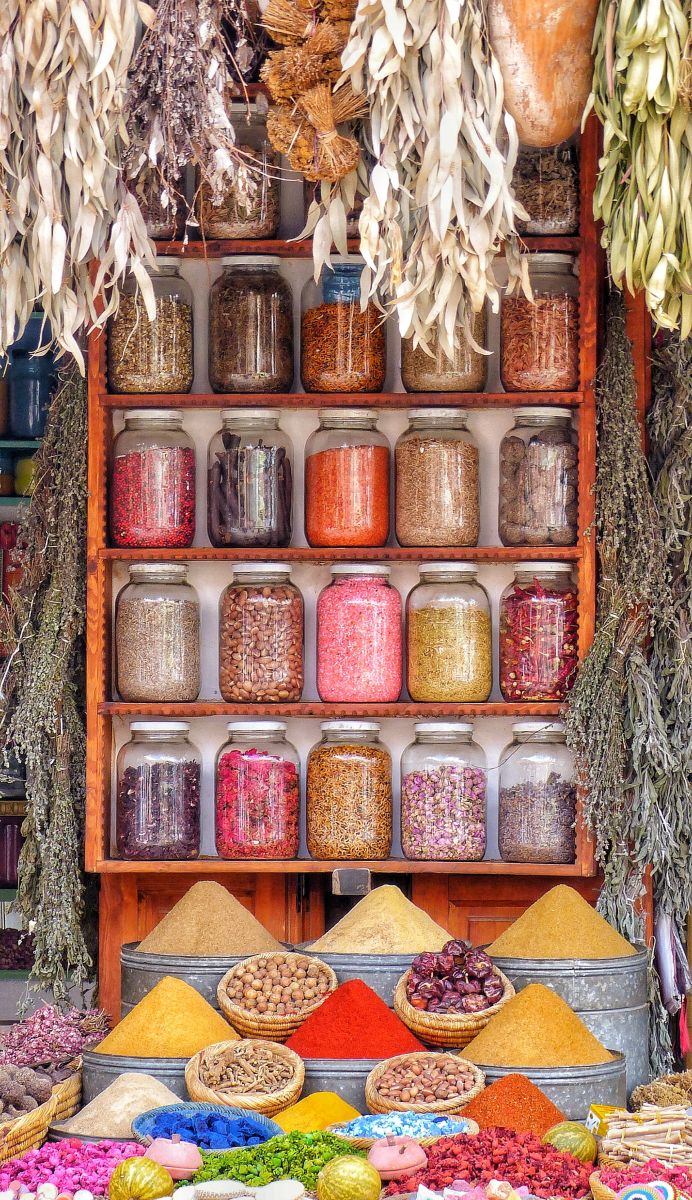
Unlike whole spices, powdered and chopped spices are more susceptible to air exposure, which can lead to loss of aroma and contamination. Store powdered and chopped spices in clean, dry, and sealed containers to prevent mold and maintain their quality.
Avoid Refrigerating Certain
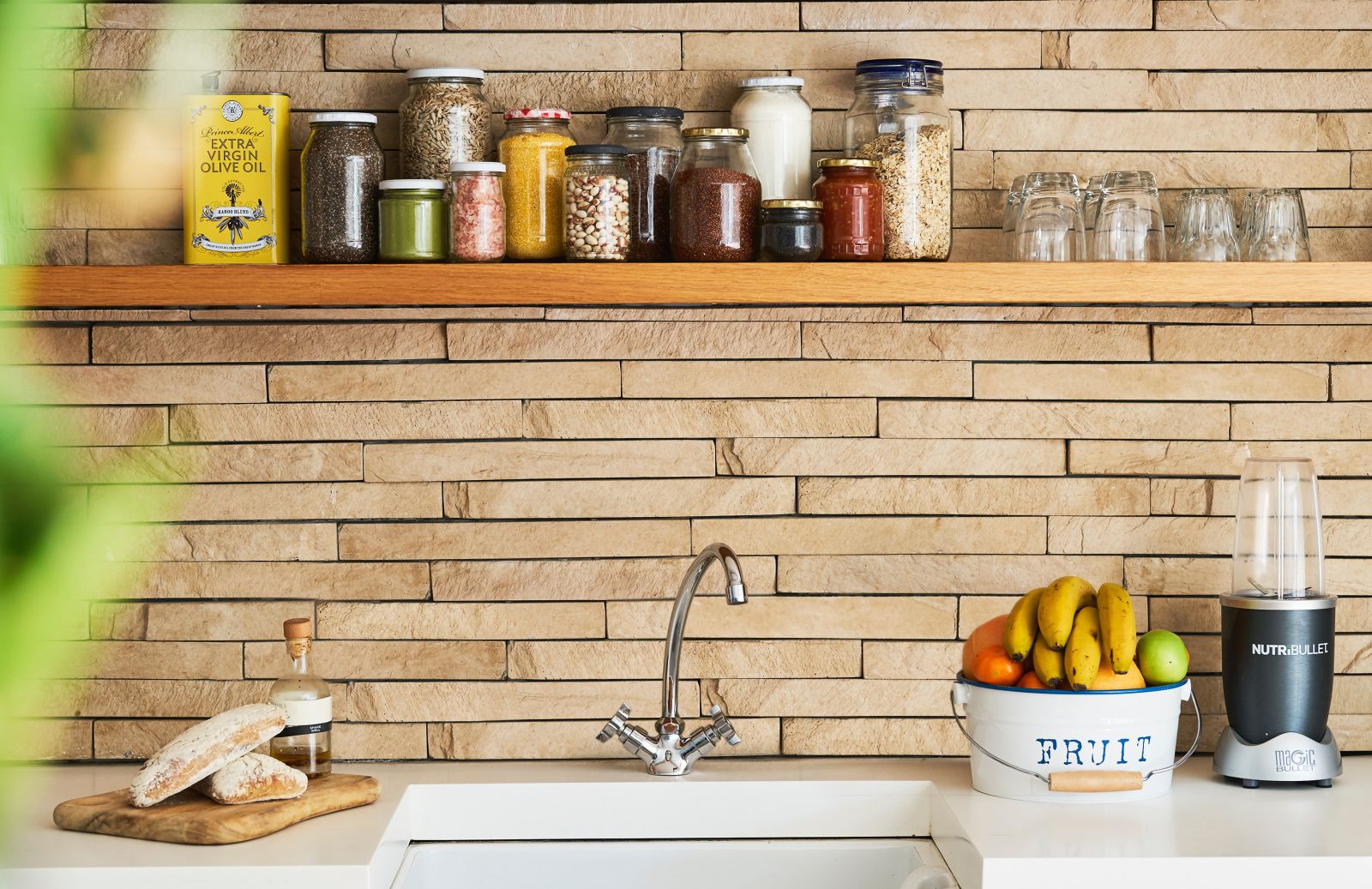
Spices Some kitchen spices should not be stored in the refrigerator, as they can easily become moldy and absorb odors from the fridge. Examples of such spices include onions, nutmeg, coriander, cumin, and pepper. Instead, store these items in a cool, dry, and well-ventilated place.
These storage methods will help you keep your kitchen spices fresh and flavorful. We hope you find these tips helpful and easy to implement. Say goodbye to flavorless dishes and hello to culinary perfection!
By: Fitie Pen Friend, Dini Hariyani