Did you know that not all fats are bad for you, ladies? Fat is essential for our bodies, contributing to nutrient absorption, cell structure, nerve function, and energy. Around 30% of your daily nutritional intake should come from fat. It's time to befriend good fats and show bad fats the door.
Let's take a closer look at the types of fats so you can welcome the good ones and bid farewell to the bad ones.
Types of Fats
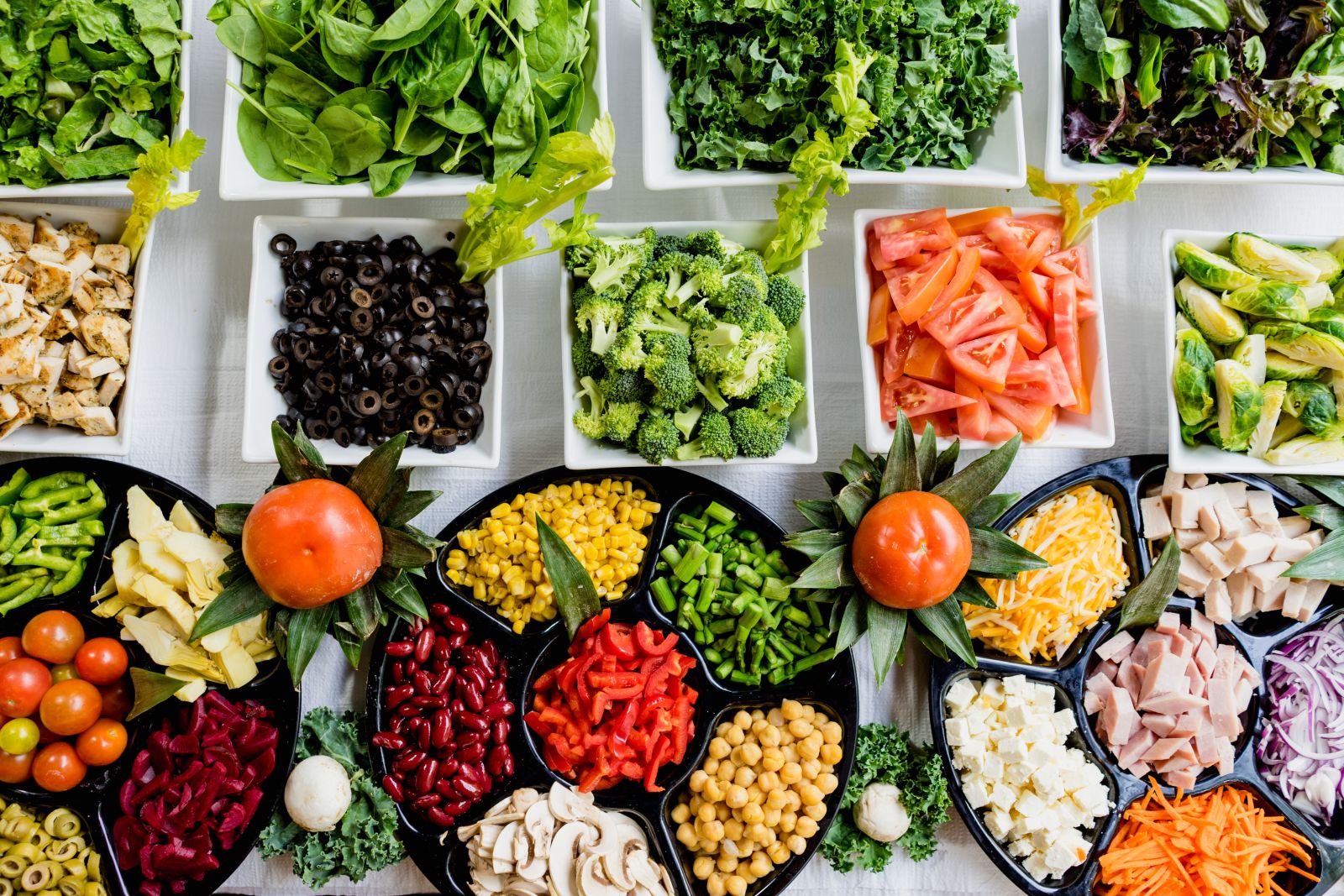
The fats we consume in our diet can be categorized as good fats (unsaturated fats) and bad fats (saturated fats). Understanding these fats is key to making healthier choices.
Good Fats
Good fats, also known as unsaturated fats, come in monounsaturated and polyunsaturated fats.
Unsaturated fats play a crucial role in keeping our arteries clean. They help raise good cholesterol (HDL) levels while lowering bad cholesterol (LDL) levels, reducing the risk of heart disease.
Foods rich in unsaturated fats are heart-healthy and include olive oil, corn oil, avocados, nuts, seeds, and omega-3 fatty acid-rich fish like salmon, herring, mackerel, tuna, sardines, and fish oil. You can also find omega-6 fats in vegetable oils like corn and soybean.
A diet abundant in unsaturated fats can lower the risk of heart attacks. The Mediterranean diet prioritizes good fat intake and is a great example. In the 1960s, people in Greece and the Mediterranean had lower heart disease rates due to their regular consumption of olive oil.
Bad Fat
Bad fats, namely saturated fats and trans fats, can raise bad cholesterol (HDL) levels and lower good cholesterol (LDL) levels in the body.
Foods high in saturated fats include fried foods, fatty cuts of red meat, and margarine. Trans fats can be found in many baked goods, fast food, margarine, and snacks like chips.
Safe Fat Intake Levels
Consuming the right amount of fat is crucial for maintaining good health. Like in life, balance is key – neither too much nor too little is ideal.
The appropriate fat intake varies based on height, age, gender, and activity level. There's no one-size-fits-all recommendation, so finding what works for you is essential.

Fat and Heart Health
If you have a history of heart disease, focusing on foods rich in unsaturated fats while avoiding saturated and trans fats is advisable. Regularly incorporating good fats into your diet can help protect against heart attacks.
Including seafood rich in omega-3s, avocados, nuts, and low-saturated-fat and low-cholesterol milk in your diet can be beneficial. When selecting milk, opt for varieties high in fiber, potassium, vitamins (B9 and B12), without added sugar, low in saturated fat and cholesterol, and with a low glycemic index – this information is typically on the packaging.
Making Wise Choices
How you prepare and consume good fats matters too. For example, it's healthier to steam or grill salmon rather than frying it, which can increase calorie and trans fat content.
When enjoying avocados, savor them in their natural state. Adding sugar or syrup can alter their health benefits and increase calorie intake.
So, ladies, let's befriend good fats and make informed choices for our health and well-being. Here's to a healthier and happier you!