Hello there! Nasi Padang, the beloved Indonesian dish, is undoubtedly tempting. But have you ever wondered about its calorie count? Let's delve into the world of Nasi Padang to uncover the truth.
The Tempting World of Nasi Padang
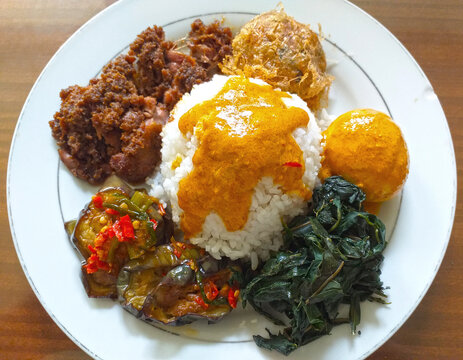
Nasi Padang, a Minangkabau culinary gem, is a sight to behold. The thick, oily sauce alone is enough to make your mouth water.
From young jackfruit curry and rendang to balado eggs, beef jerky, omelets, chicken pop, and kikil, every dish is a feast for the senses. Seeing it is enough to whet your appetite, let alone savoring it when you're famished.
Eating Nasi Padang has sparked debates on social media, with some preferring to use a spoon and others diving in with their hands. This delightful controversy has only increased the dish's popularity.
The Rice-Wrapping Tradition
Nasi Padang is known for its generous portions of rice, especially when served for takeout. This tradition stems from a desire to thank the restaurant for sparing customers from washing dishes at home.
Nutritional Content
Due to its "indulgent" appearance, Nasi Padang often gets a bad rap for being packed with "bad fats" because of the generous use of coconut milk, which is believed to increase the risk of heart disease.
However, a study published in the Asia Pacific Journal of Clinical Nutrition in 2004 revealed that diet, particularly the habit of consuming fried foods, and a lack of physical activity have a more significant impact on heart disease risk.
According to Professor Nur Indrawaty Lipoeto, a researcher at Andalas University who led the study, the saturated fat content in coconut milk is only a quarter of that found in cooking oil.
Foods with coconut milk generally have lower calorie content than deep-fried dishes, especially those cooked in reused oil.
Professor Indrawaty pointed out that the typical Minang cuisine, like Nasi Padang, is rich in spices such as ginger, turmeric, galangal, and lemongrass. These spices act as antioxidants, helping to reduce the risk of various diseases, including heart disease, stroke, hypertension, diabetes, and cancer.
However, it's important to note that Nasi Padang alone won't guarantee immunity from heart disease or diabetes. Spices play a significant role, too.
Healthy Nasi Padang Habits
.jpg)
To enjoy Nasi Padang healthily, Professor Indrawaty recommends including plenty of vegetables and fruits. The vegetables in Nasi Padang dishes are typically cassava leaves and jackfruit curry.
Regular exercise is essential to burn excess fat and maintain a balanced metabolism.
Cooking Healthier Rendang
For a healthier rendition of rendang, you can skip the coconut milk and opt for fiber creme powder. It's a smart choice that preserves the delicious taste while making the dish healthier.
Rendang Seasoning
Start by crushing 5 cloves of shallots, 2 cloves of garlic, 2 candlenuts, 4 curly red chilies, 3 cayenne peppers, 2 cm of turmeric, and 2 cm of ginger to create your spice mixture.
Cooking Rendang
-
Heat 3 tablespoons of cooking oil and sauté the ground spices. Add 2 bay leaves and 1 crushed galangal segment, and sauté until fragrant.
-
Slice 250 grams of high-quality meat thinly for tenderness. Add the meat to the spices along with 300 ml of water and 4 tablespoons of Fiber Creme powder. Stir well.
-
Season with 2 teaspoons of salt, 1 teaspoon of sugar, and half a teaspoon of ground pepper. Cover and let it simmer for 30-40 minutes over medium heat.
-
If the meat isn't tender and the sauce reduces, add more water, then cover and simmer again. Repeat until the meat is tender, leaving a thick sauce, then turn off the heat. Enjoy your healthier rendang!
Source:
https://www.bbc.com/indonesia/majalah-50541428
https://cookpad.com/id/resep/9456135-rendang-tanpa-santan-fiber-creme