When it comes to pregnancy planning, both male and female partners must ensure they're in good health. Women, in particular, should be aware of conditions that might affect pregnancy, like ovarian cysts. Ovarian cysts are fluid-filled sacs that develop in the ovaries. Many people believe that women with ovarian cysts may struggle to get pregnant, but that's not entirely accurate.
Can Women with Ovarian Cysts Get Pregnant?

Ovarian cysts can be concerning, leading many to believe they can hinder pregnancy. But here's the thing: that's not entirely true!
While ovarian cysts can influence female fertility, having cysts doesn't necessarily mean you can't get pregnant. Some types of cysts are not detrimental to pregnancy. Some may persist on the ovaries but eventually disappear during the second trimester.
According to the National Center for Biotechnology Information (NCBI), certain cyst types, such as the corpus luteal and follicular cysts, are linked to pregnancy. However, it's worth noting that these cysts usually vanish by the time the pregnancy reaches 14-16 weeks.
Ovarian Cyst Types Compatible with Pregnancy
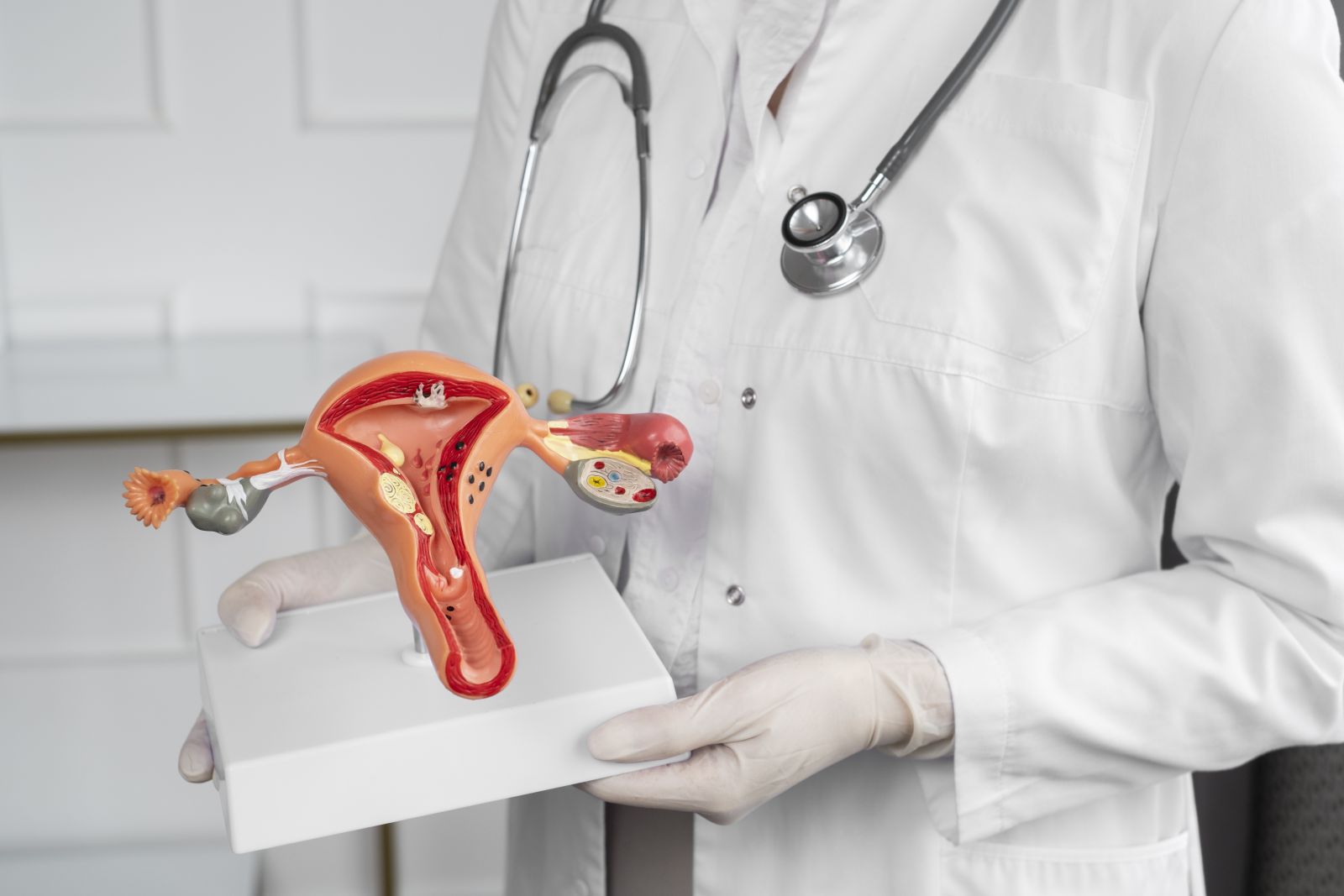
1. Functional Cyst
Functional cysts are the most common type, forming a normal part of the menstrual cycle. They do not significantly affect fertility and often serve as a sign of a woman's fertile period. These cysts typically resolve on their own without special treatment.
2. Cystic Adenoma
Cystadenomas are also found on the ovarian surface but don't compromise fertility. Medical attention may be necessary to treat them, though.
3. Dermoid Cyst
Unlike most ovarian cysts filled with fluid, dermoid cysts contain solid materials, sometimes even hair, skin, or teeth. Although they may grow larger and require removal, dermoid cysts do not threaten pregnancy. Getting pregnant is still very much possible.
Cysts that May Hinder Pregnancy

Women should also be aware of cyst types that can make pregnancy more challenging.
1. Endometrioma
Endometrioma cysts develop due to endometriosis, where uterine lining tissue grows outside the uterus. This condition can impact fertility.
2. Ovarian Cysts from PCOS (Polycystic Ovary Syndrome)
Polycystic ovary syndrome is characterized by multiple small cysts on the ovaries, irregular menstrual cycles, and hormone level imbalances. PCOS often leads to irregular ovulation, making it difficult for women to conceive.
While several types of ovarian cysts have no adverse effects on pregnancy, women should prioritize their overall health to prevent them. If you experience symptoms that could indicate a cyst, consult a specialist for a clear and definitive diagnosis and treatment.
Reference: