Osteoporosis, characterized by fragile and porous bones, is a condition that can have serious consequences, including an increased risk of fractures. While often associated with the elderly, it's important to realize that osteoporosis isn't an inevitable part of aging. In this Fitie article, we will discuss essential steps for preventing osteoporosis from an early age.
Who's at Risk of Osteoporosis?
Osteoporosis predominantly affects women, but did you know that more than 50% of adults are already at risk? While age is a primary factor, several other risk factors include:
- Family history of osteoporosis.
- Inadequate intake of calcium, vitamin D, and protein.
- Unhealthy lifestyle, including excessive alcohol consumption and lack of physical activity.
- Certain medical conditions such as hormonal disorders.
- Side effects of specific medications like anti-depressants and cancer drugs.
- Suffering from eating disorders like anorexia or bulimia.
- Lack of regular exercise.
- Smoking habit.
Recognizing Osteoporosis Symptoms:
Osteoporosis often remains "silent" with no apparent symptoms. However, signs to watch out for include:
- Stooped posture.
- Back pain.
- Decreased height.
- Frequent injuries.
Preventing Osteoporosis:
To reduce your risk of osteoporosis, consider the following steps:
1. Calcium-Rich Diet:
Ensuring an adequate calcium intake is crucial. Aim for 1,000 mg daily if you're aged 19-50 and 1,200 mg if you're over 50. You can get calcium from foods like low-fat milk, broccoli, sardines, and more, or consider supplements.

Low-fat milk is a source of calcium to prevent osteoporosis
2. Regular Exercise:
Exercise benefits bone density and strength. A 2021 study highlighted the importance of high-impact exercises (e.g., running), low-impact activities (e.g., brisk walking), and strength training to defend against osteoporosis.
3. Protein Intake:
High protein intake is associated with better bone density, slower bone loss, and a lower risk of fractures. Your muscles also play a vital role in protecting your bones.
4. Vitamin D:
Get enough vitamin D through your diet or sunlight exposure. Foods like cereal, yogurt, egg yolks, and mushrooms are good sources. A morning sunbath is recommended.
5. Limit Alcohol:
Alcohol disrupts calcium balance and hinders vitamin D production from sunlight. Excessive alcohol consumption can lead to hormone deficiencies, elevating the risk of osteoporosis.
6. Maintain Healthy Weight:
People who are obese or overweight are at a higher risk of osteoporosis. Research suggests that an ideal BMI between 23.0 - 24.9 kg/m² can help reduce this risk.
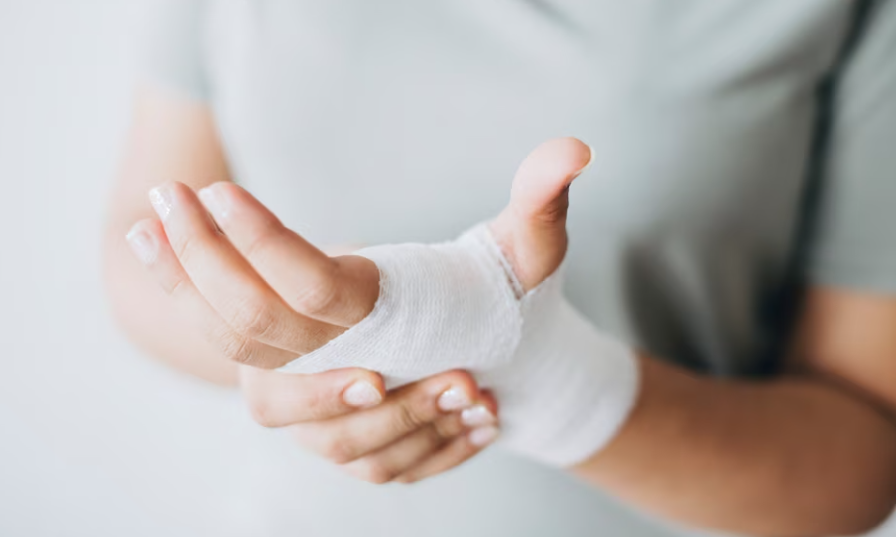
Porous bones increase the risk of cracks and fractures
7. Quit Smoking:
Smoking can accelerate bone loss and lead to early menopause in women, affecting bone health.
Osteoporosis may be a "silent" condition, but you don't have to wait for symptoms to act. These proactive steps can help prevent or reduce the risk of osteoporosis. Stay vigilant and invest in your bone health, ladies!
For more valuable insights, continue reading Fitie.