Personality quizzes and psychological tests have gained popularity, especially among today's youth. They provide a sense of validation by identifying with specific personality types. The Myers-Briggs Type Indicator (MBTI) test is one such assessment widely discussed. However, it's crucial to understand the accuracy and limitations of the MBTI test.
Understanding the MBTI Test:
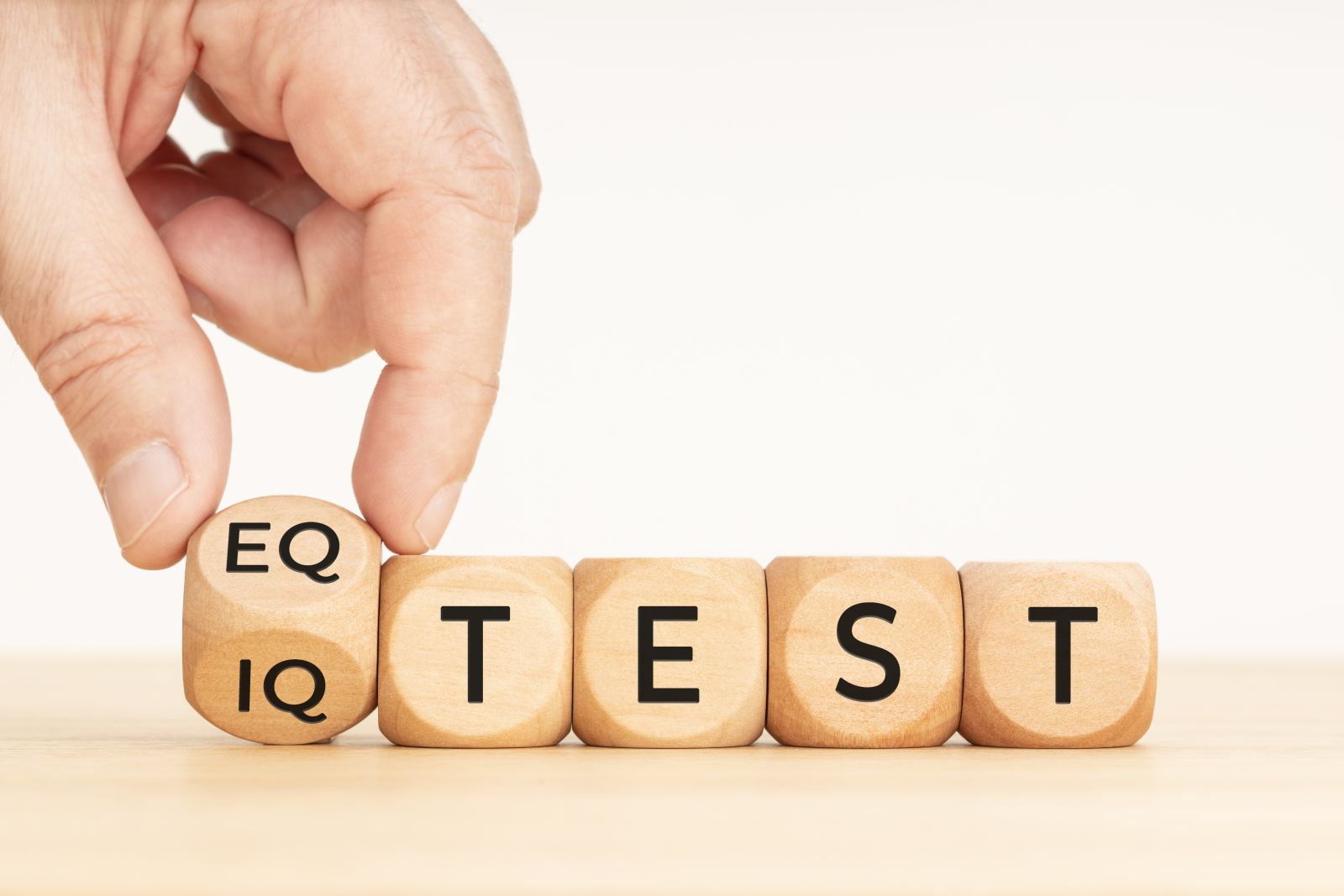
The MBTI, or Myers-Briggs Type Indicator, is a self-administered personality test that's easily accessible online. This test, created by Katharine Cook Briggs and her daughter, is based on Carl Jung's psychological theory. Jung proposed that humans have four core functions: sensing, intuition, feeling, and thinking, each divided into two categories.
- Introvert (I) vs. Extrovert (E): How a person focuses their attention.
- Sensing (S) vs. Intuition (N): How a person understands information.
- Thinking (T) vs. Feeling (F): How a person makes decisions.
- Judging (J) vs. Perceiving (P): How a person responds to their environment.
Taking the MBTI test allows individuals to categorize their personalities based on these functions. Many find it insightful, helping them understand strengths, weaknesses, and themselves better. It's believed that this self-awareness can lead to personal growth, career development, and problem-solving.
The Accuracy of the MBTI Test:

However, a 1991 study conducted by a committee of the National Academy of Sciences found that the MBTI test's validity is relatively poor. In other words, it doesn't consistently and accurately categorize personalities. The results can vary, even when taking the test multiple times in the same setting.
Nonetheless, if the MBTI test provides value to your life, that's perfectly acceptable. It can help you gain insights and lead to positive outcomes. But remember, it should not be the sole benchmark for your life. Your personal growth, self-discovery, and decision-making should not be overly influenced by the results. MBTI results can be limiting in love, work, or other opportunities if taken too seriously.
Read also :
Ultimately, the MBTI only assesses your personality based on behavioral patterns. It does not encompass all aspects of your identity, such as maturity and psychological well-being. Keep in mind that human personalities are complex and dynamic. People change, and no test can fully encapsulate your entire being. So, if the results don't resonate with you, don't let them define your journey. Embrace the complexity of your unique self.