Ensuring proper personal hygiene practices is a cornerstone of overall health, and a particular concern for women is urinary tract infections (UTIs). These infections can affect anyone, but are they more common in women? Fitie has the answers and insights on understanding UTIs and prevention methods.
Understanding UTIs:
A urinary tract infection occurs when bacteria, typically from the skin or rectum, enter the urethra, causing an infection in the urinary tract. This can affect various parts, including the urethra (urethritis), kidneys (pyelonephritis), and bladder (cystitis). Notably, women are more susceptible to UTIs, with up to 20% experiencing this condition several times in their lives.

Urinary tract infections occur due to the entry of bacteria into the urinary tract
Symptoms of UTIs:
The primary culprit behind 90% of UTIs is Escherichia coli (E. coli) bacteria, primarily found in the large intestine. Women's anatomy contributes to their higher susceptibility due to a shorter urethra and proximity to the anus. Common symptoms of UTIs include:
- Painful urination
- Pelvic, stomach, or lower back pain
- Pressure in the pelvic region
- Cloudy and foul-smelling urine
- Involuntary urination
- Frequent urination
- Blood in the urine
Diagnosis and Treatment:
Doctors typically conduct urinalysis and urine culture checks to confirm a UTI diagnosis. Additional tests like ultrasound, CT scans, and cystoscopy may be performed. Antibiotics are the standard treatment, with symptoms usually subsiding within a few days.
Prevention Methods:
Preventing UTIs involves adopting lifestyle changes and daily habits:
- Practice good hygiene: Wipe from front to back after using the toilet and change menstrual products regularly.
- Stay hydrated: Increased water intake flushes bacteria from the urinary tract.
- Optimize urination habits: Avoid holding in urine and urinate before and after sexual intercourse.
- Choose contraceptives wisely: Lower diaphragm contraceptives can contribute to UTIs.
- Use proper lubricants: Opt for water-based lubricants during sexual activity and avoid spermicides if UTIs are frequent.
- Change clothing habits: Wear loose, breathable clothes to prevent bacterial growth in damp conditions.
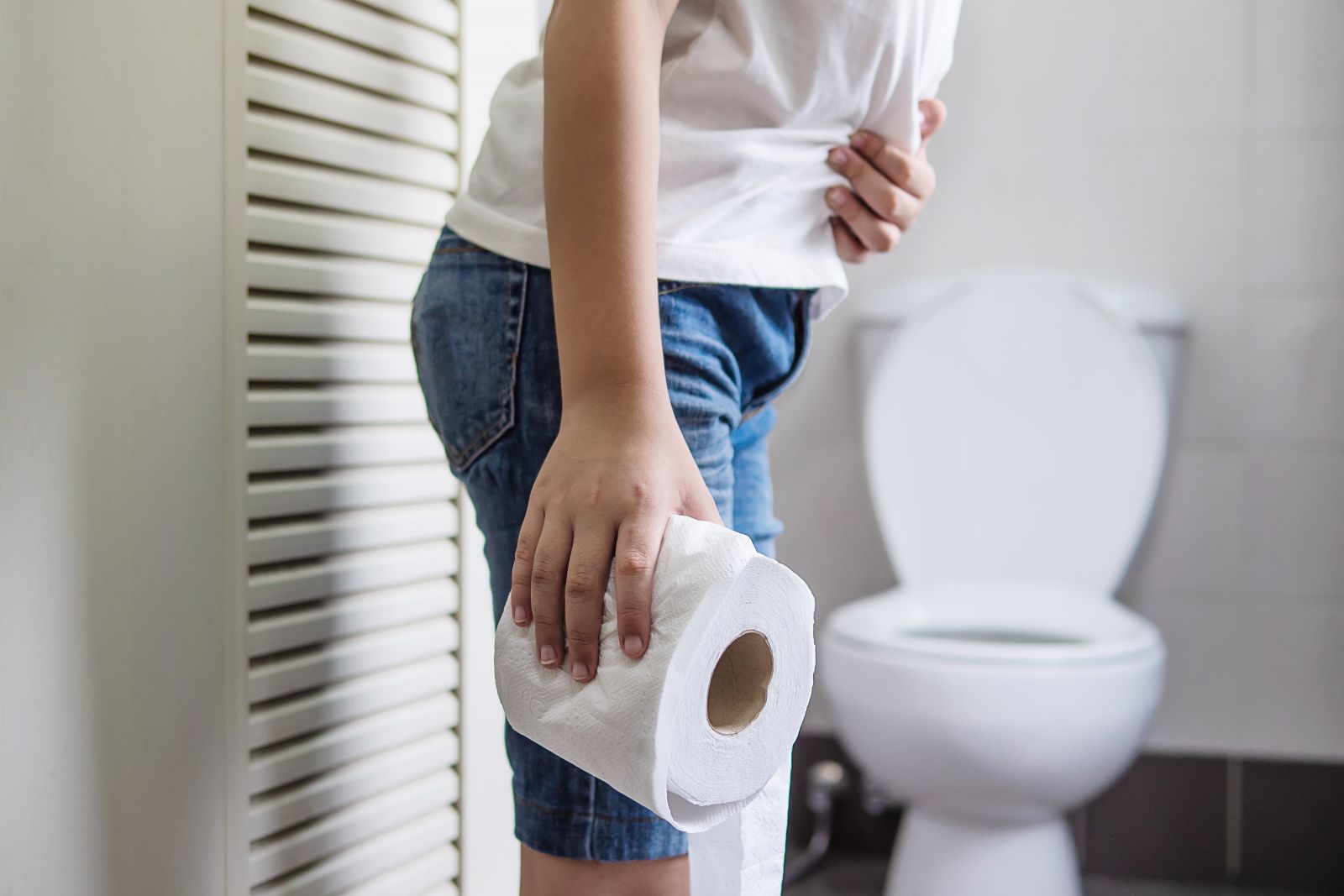
Wipe from front to back to avoid bacteria entering from the anus
Urinary tract infections are a common concern, especially for women. The key is not to feel embarrassed, as antibiotics can easily treat UTIs. Fitie provides a wealth of women's health information; explore more on the website or download the application!