Hello, lovely ladies! Ever wondered why your face sometimes turns into shades of red, especially when you least expect it? It could be rosacea playing its tricks on your skin. Let's dig into the details and discover what this condition is about.
Understanding Rosacea:
Rosacea isn't just a regular case of blushing; it's an inflammatory skin condition that causes persistent redness, primarily on the face. This redness can gradually extend to the ears, chest, or back. Rosacea comes in four subtypes, each with its unique features:
- Erythematotelangiectatic: Causes redness with visible blood vessels. Symptoms come and go unpredictably.
- Papulopustular: Leads to redness, swelling, and fluid or pus-filled bumps.
- Phymatous: Thickens and swells the skin, giving it a wavy texture. It can cause the nose to look rounded (rhinophyma).
- Ocular: Results in red, irritated eyes and swollen eyelids.
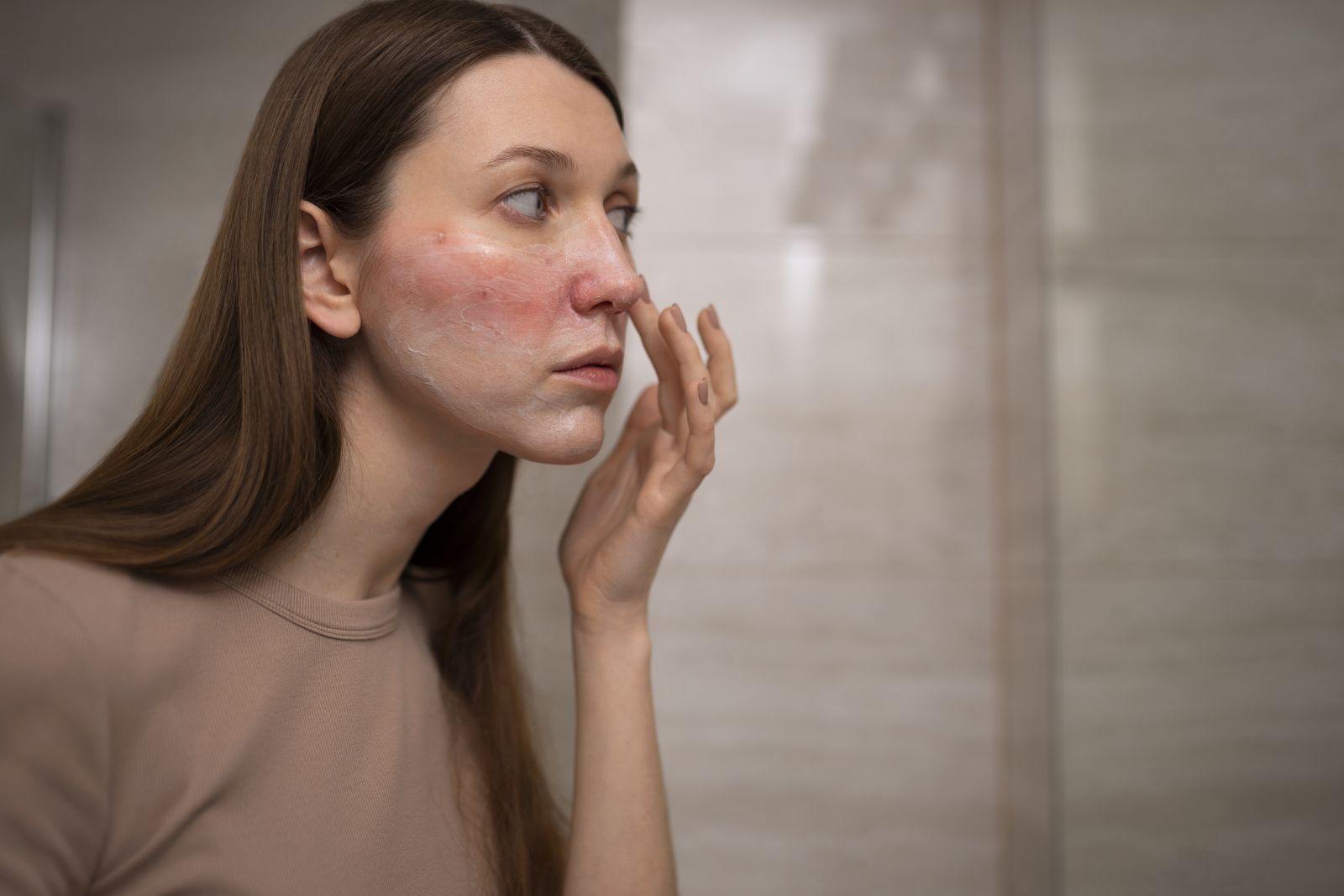
Rosacea is a reddened skin condition, especially on the face
Features and Symptoms:
Rosacea sets up camp on the nose, forehead, cheeks, and chin. While it can affect anyone, it's more noticeable in women with fair skin, usually appearing between 30 and 50 years old. Watch out for these signs:
- Flushing: Experience sudden redness on the face.
- Persistent Redness: Continuous redness resembling a blush or sunburn.
- Bumps and Pimples: Small, red lumps or pus-filled pimples.
- Visible Blood Vessels: Thin, red lines resembling blood vessels.
Alongside these, rosacea may bring eye irritation, a burning or stinging sensation, dry and rough skin, red spots resembling a rash, skin thickening, and facial swelling.
Triggers and Causes:
While the exact cause remains a mystery, several factors can trigger rosacea, including sunlight exposure, extreme temperatures, stress, alcohol consumption, spicy foods, and certain skincare or hair products. It may also be linked to H. pylori bacteria, Demodex skin mites, damage to the cathelicidin protein, and the use of cosmetic products.
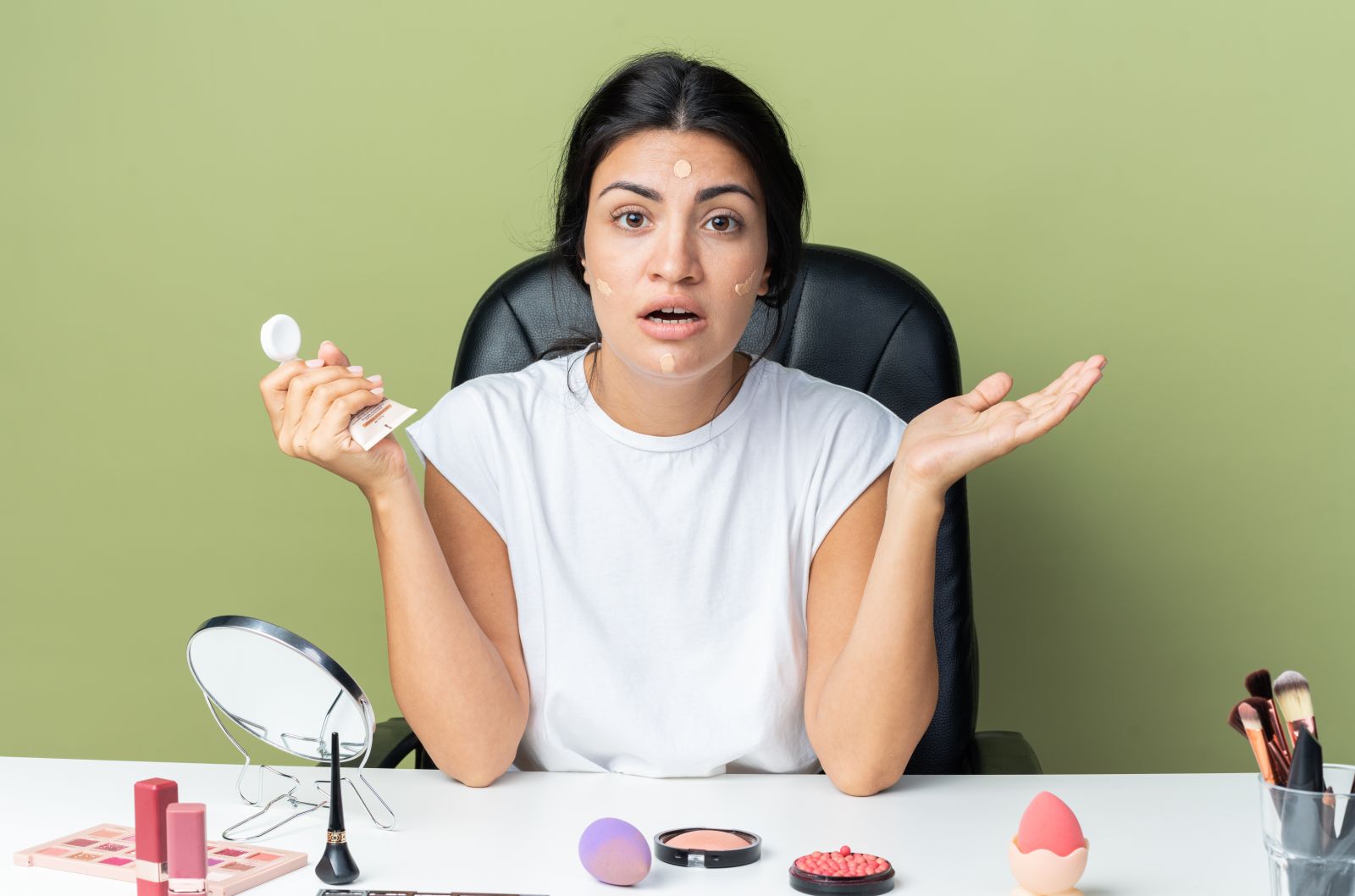
The use of cosmetic products can trigger rosacea
Handling Rosacea:
Managing rosacea involves reducing symptoms and preventing severity. Treatment options include oral or topical antibiotics, brimonidine gel, laser therapy, and surgery for severe cases causing nose deformities. Always consult your doctor for proper recommendations.
Rosacea vs. Lupus Rash:
Both conditions cause redness triggered by sun exposure, but their rash textures differ. Rosacea appears red, swollen, and bumpy, while lupus rash is red, scaly, and itchy. Rosacea isn't dangerous if treated right and isn't contagious.
Beautiful ladies, embrace your skin, manage stress, and boost your confidence! Head to Fitie's website or download the app for more insightful reads. Take charge of your skin's well-being!