Hey, amazing ladies! Ever heard of REM sleep behavior disorder (RBD)? It's that fascinating (sometimes alarming) phenomenon where your dreams take center stage, and your body decides to join the performance. Let's dive into the details in this Fitie article.
REM sleep, the dreamy phase of your sleep cycle, usually paralyzes your muscles to prevent you from acting out your dreams. But this natural safety net doesn't kick in for some, leading to RBD. Instead of peacefully dreaming, your body expresses the dream physically and vocally.
Spotting the Symptoms
RBD often goes unnoticed, but if you or your partner start noticing any of these signs, you might be dealing with it:
- Tiny limb movements or twitches
- Vigorous body movements like punching, kicking, or even sitting up in bed (watch out for those unexpected gymnastics!)
- Vocalization – yes, talking or shouting, and it might not always be PG-rated
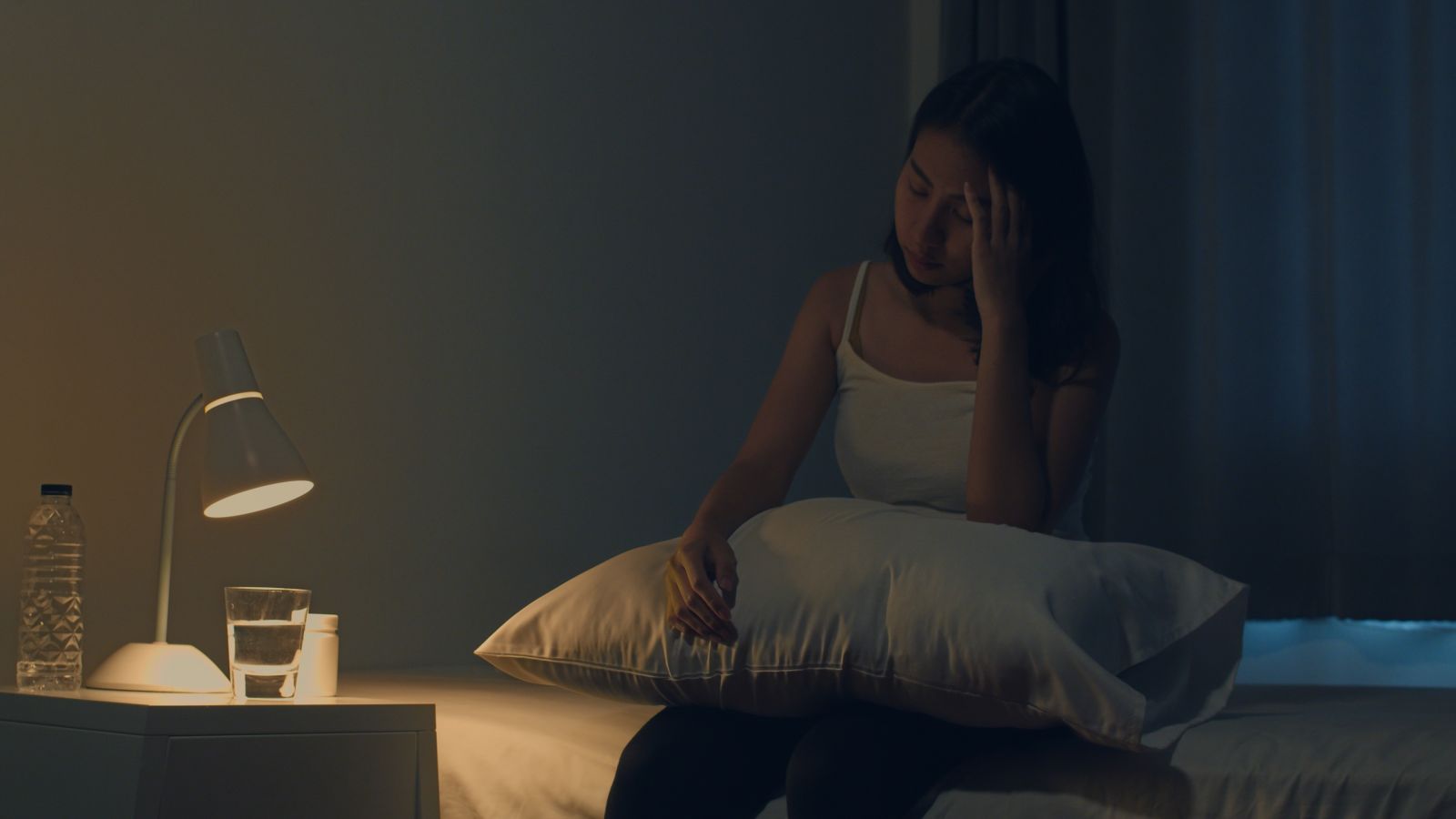
People who suffer from RBD will be easily awakened and will be in an alert state
Why Does It Happen?
The exact cause of RBD is still a bit of a snooze-time mystery. However, there are some potential triggers:
-
Isolated RBD (Idiopathic): It could be a glitch in the brain stem (pons) responsible for muscle paralysis during REM sleep. This glitch might be associated with Parkinson's disease or Lewy Body Dementia.
-
Secondary RBD (Symptomatic): Linked to narcolepsy, where a lack of orexin, a sleep-regulating chemical, messes with normal REM sleep.
-
Drug-Induced RBD: Certain antidepressants might play a dream-wrecker by causing an imbalance in dopamine and serotonin during REM sleep.
Getting Diagnosed
Visit a sleep specialist armed with your sleep history and a partner's observations. A polysomnogram (fancy term for a sleep study) will be your sleep detective, measuring various factors to unveil the RBD mystery.
For an official RBD diagnosis, four criteria must be met: vocal or movement expressions during dreams, confirmation of episodes during REM sleep, lack of muscle paralysis during episodes, and ruling out other possible causes.
Dealing with Dream Drama
Treatment aims to make your sleep haven as cozy as possible. Creating a serene sleeping environment is key. If symptoms persist, medication prescribed by your doctor may come to the rescue. It's also a good idea to cut back on alcohol if it's making your dream performances a bit too lively.

RBD treatment is aimed at creating a comfortable sleeping environment
Don't brush off those dreamy nighttime adventures! If your nocturnal escapades are causing a stir, don't hesitate to seek professional advice. Sweet dreams, lovely ladies!