Hey there, wonderful women! Ever caught yourself or your partner snoozing with eyes slightly ajar? No, it's not some mischievous nighttime behavior – lagophthalmos! Are you curious about why this happens and if it's a cause for concern? Let's dive into the details with this Fitie article.
Understanding Lagophthalmos:
Lagophthalmos is the fancy term for not fully closing your eyes during sleep, whether it's one eye or both. It can occur independently or be linked to other factors like sagging eyelids (ptosis) or complications from eyelid surgery. While not inherently dangerous, it can lead to issues like irritation, corneal damage, and in severe cases, vision loss or scarring. Lagophthalmos comes in various forms:
- Nocturnal: Eyes close when awake but stay slightly open during sleep.
- Paralytic: Nerve dysfunction on both sides of the face prevents complete eye closure.
- Mechanical: Structural issues or trauma hinder normal nerve function, preventing full eye closure.
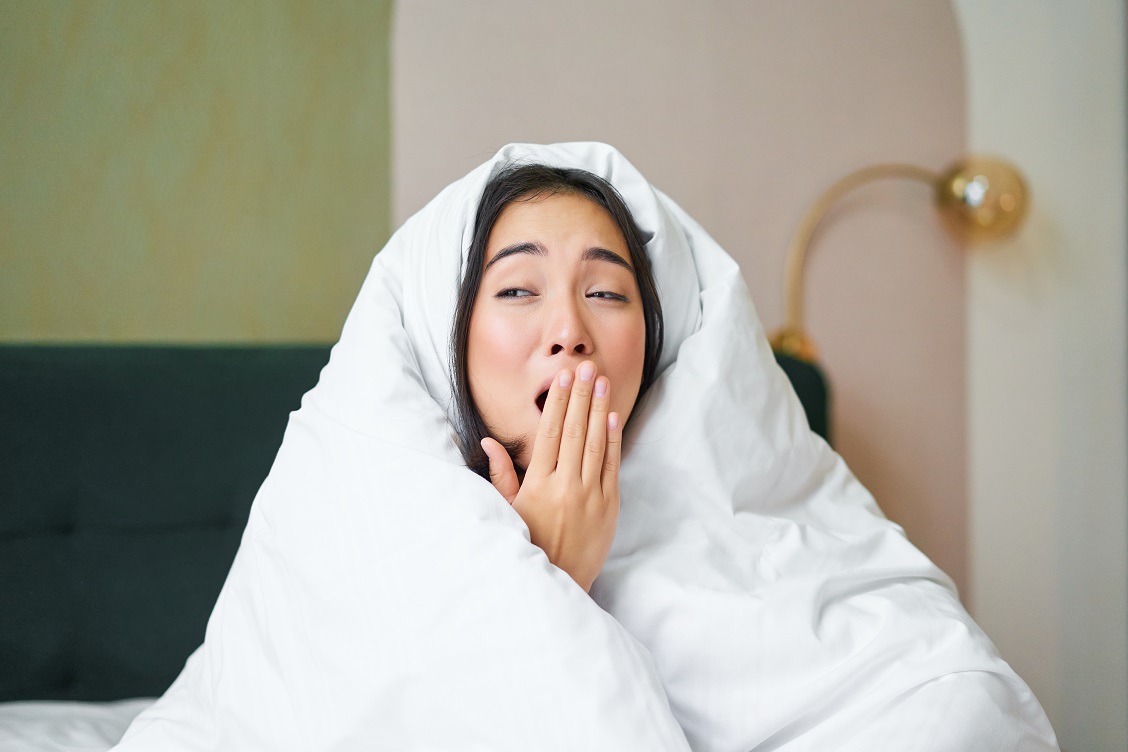
Another sign of lagophthalmos is dry eyes or a lumpy feeling
Symptoms:
The primary sign of lagophthalmos is incompletely closed eyelids. Additional indicators include dry or watery eyes, blurred vision, a sensation of a foreign object in the eye, heat or pain, light sensitivity, and morning nausea.
Causes:
Lagophthalmos is often linked to facial or eyelid nerve loss or damage. Causes may include accidents, Bell's palsy, stroke, tumors, syndromes, infections, or exposure to toxins. Eyelid-related causes include Floppy Eyelid Syndrome, Stevens-Johnson syndrome, chemical burns, sun damage, or previous eyelid surgery.
Diagnosis and Treatment:
Doctors assess medical history, measure eyelids, observe eye closure, and count blinks for diagnosis. Treatment depends on the cause and can be surgical or non-surgical. Non-surgical options include eye drops, ointments, night-time eye closure aids, moisture goggles, and eyelid weights. Surgical interventions range from tarsorrhaphy to eyelid surgery or facial procedures.
Prevention Tips:
Preventing lagophthalmos isn't straightforward, but protecting your eyes is key. Use safety glasses for work, sunglasses in sunlight, avoid unnecessary eye contact, and wash your hands before touching your eyes.
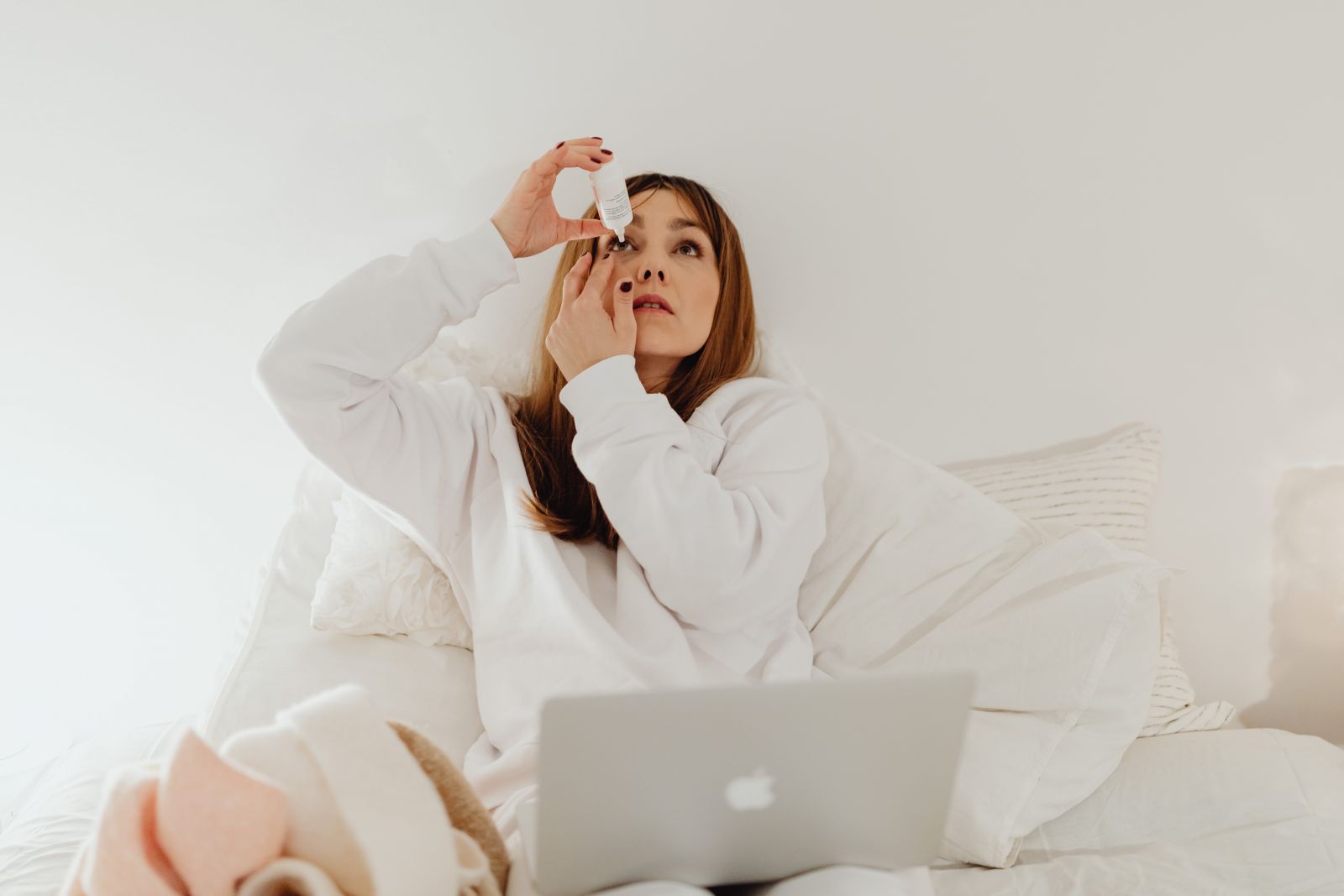
Treatment to help prevent dry or irritated eyes is with eye drops
So, if you or someone you know sleeps with eyes partially open, lagophthalmos might be the culprit. If concerned, don't hesitate to consult a doctor. Your eyes deserve all the care and attention! For more insightful reads, grab the app or Fitie's website. Sweet dreams, beautiful souls!