Sending your child to school for the first time is an important milestone in their life. This decision requires careful consideration from parents. Here are some things to consider when sending your child to school for the first time:
Considerations for Sending Your Child to School for the First Time
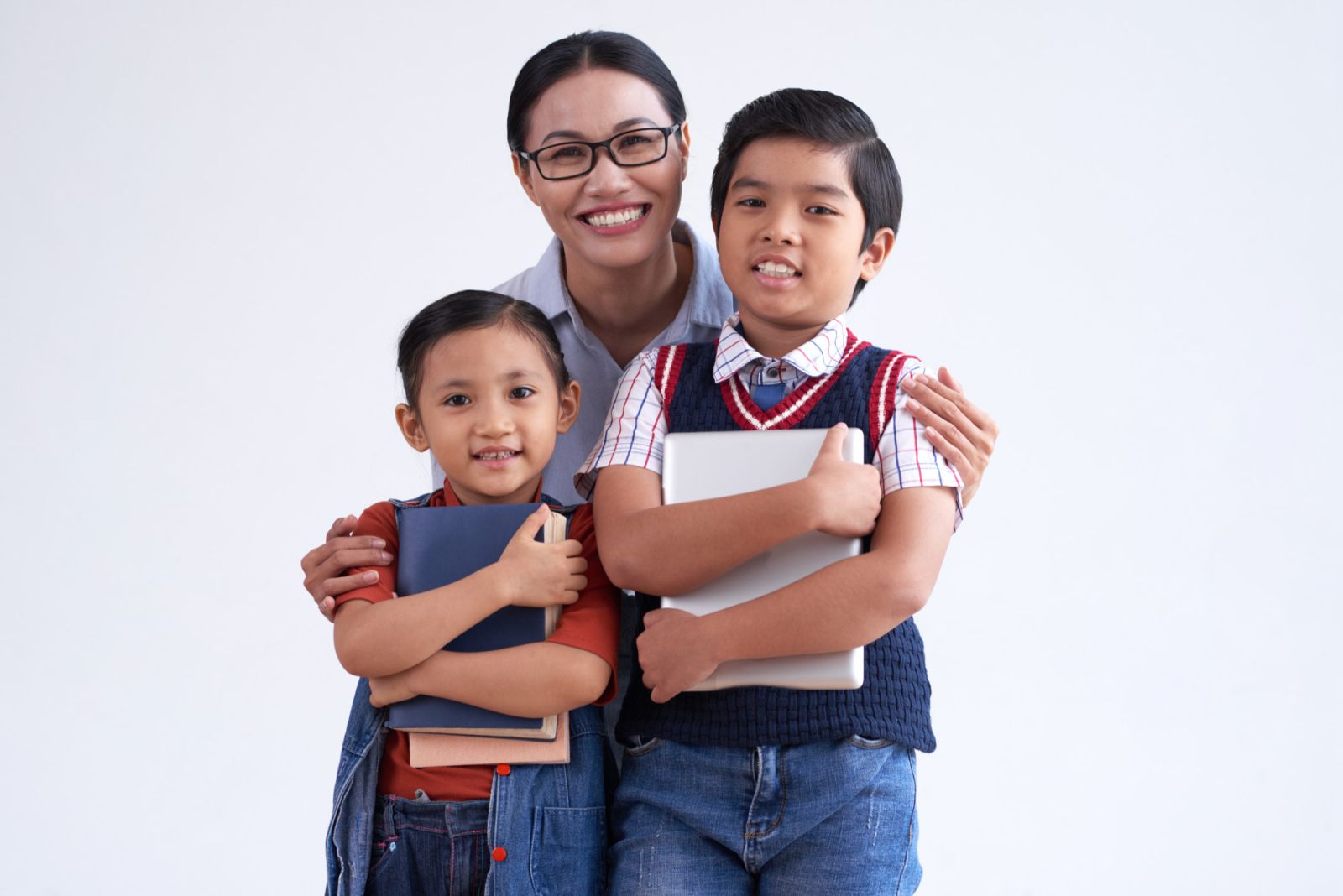
Emotional and Social Readiness
Consider the child's emotional and social readiness. Are they ready to interact with others, follow the rules, share with their friends, and work cooperatively? They need to have basic social skills to adapt to the school environment and deal with different social situations. Make sure children can express their feelings well and can healthily manage emotions.
Cognitive Readiness and Learning
Pay attention to the child's cognitive readiness. They must be able to focus, pay attention to instructions, and have basic skills in reading, writing, and arithmetic. Their understanding of basic concepts and ability to follow the school curriculum should be a primary consideration.
Motor Ability
Check the child's motor skills. They need adequate motor skills to participate in physical activities at school, such as writing, drawing, and active play. Good motor skills will help them face daily challenges at school and participate in physical activities.
Interest and Motivation
Consider the child's interest and motivation toward learning. Do they show interest in exploration and new knowledge? Are they intrinsically motivated to learn and take on new challenges? Children with high interest and motivation tend to be more successful in school.

Educational Environment
Pay attention to the school environment available around you. Find out about schools in the area and learn about their educational approach. Consider the quality of teaching, curriculum approach, values instilled, and facilities and resources provided. Choose a school that fits your values and expectations for your child's education.
Family support
Consider the family support you can provide. Children's education is not only the school's responsibility but also involves the active role of parents and families. Make sure parents can provide emotional support, time, and assistance with their child's learning at home. A positive and supportive family environment will help children deal with challenges at school.
Communication with Teachers and School Staff
Don't hesitate to communicate with teachers and school staff. Share questions and concerns with parents and discuss child readiness. Teachers and school staff will provide insight into child development and help ensure that the decision to send your child to school for the first time is the best.
Individual approach Remember that every child is a unique individual. Consider the child's special needs, interests, and development. No standard fits all when it comes to sending children to school. Be flexible and understand that this decision can be adapted to the child's needs. Sending children to school for the first time is an important milestone in their educational journey. With careful consideration, you can ensure that children are ready to face challenges and gain positive learning experiences at school.