Many parents go through a phase where their children suddenly refuse to eat or become picky about the food they are given. This stage can cause worry and stress for parents concerned about their child's nutrition and health. However, it is crucial to understand that this stage is typical in child development. This article explains why a child refuses to eat, provides insight into the factors that influence their eating behavior, and offers practical strategies for managing them wisely.
Why does the child's eating difficulties stage happen?
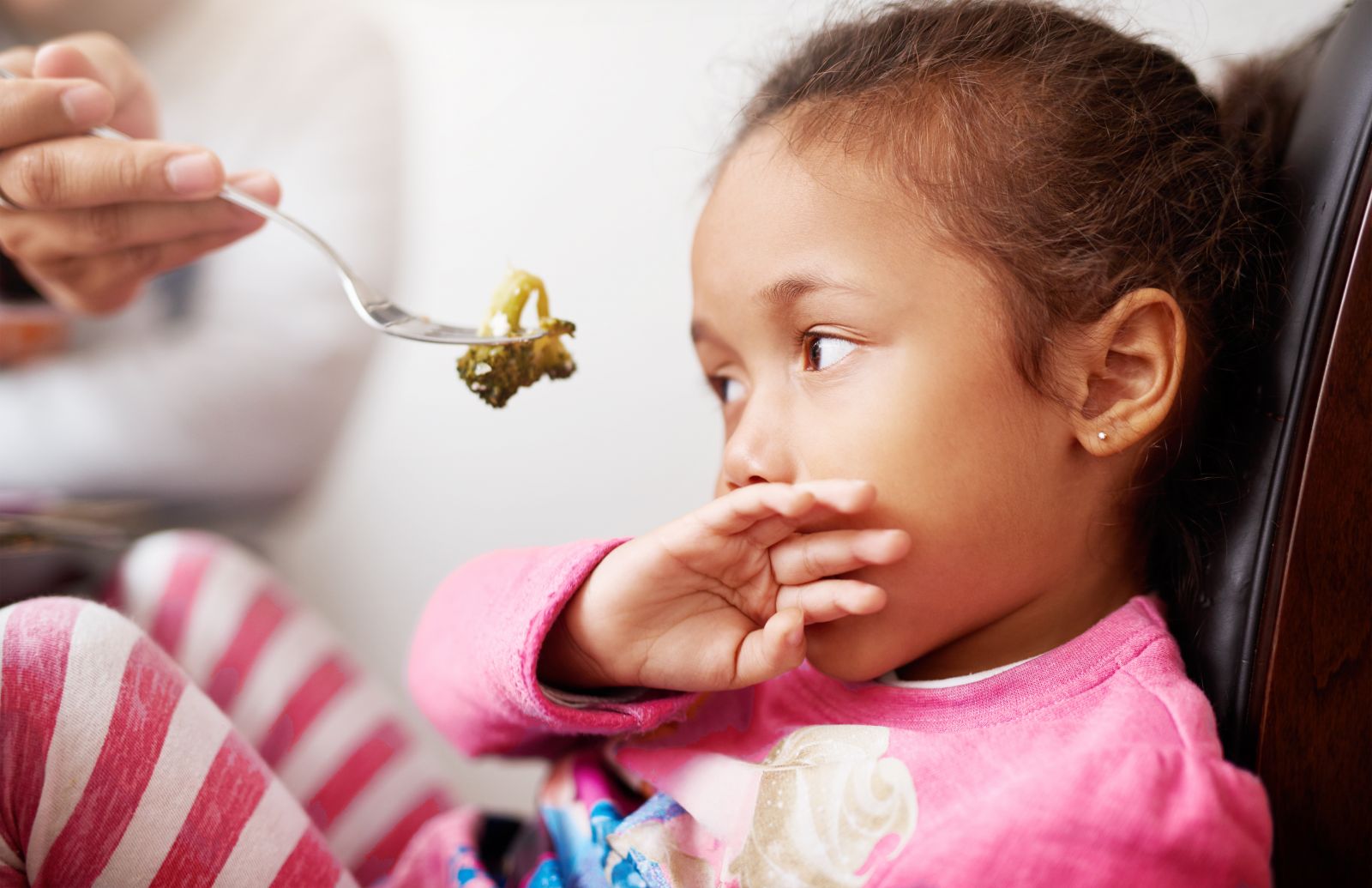
- Normal development: Children change in their growth and development. The refusal to eat phase is part of the child's exploration and development of tastes and curiosity about new foods.
- Control and autonomy: Children may want to show control and autonomy in their food choices. This is their way of exploring their personal preferences.
- New sensations: Changes in mouth sensations, such as teething or loose teeth, can cause discomfort during eating and reduce a child's appetite.
- Changes in routine: Changes in routine, such as entering a new phase or going to school, can affect a child's eating behavior. Stress or anxiety can also affect their appetite.
Strategies for dealing with children's eating difficulties phase
- Remain calm and patient: Do not show excessive concern or pressure on your child regarding food. Stay calm and patient, and don't use food as a source of conflict.
- Have a consistent meal routine: Establish a consistent eating schedule with set times. This helps children develop expectations about food and reduces the likelihood of confrontations.
- Offer healthy food choices: Provide healthy and varied food choices but adapt to children's preferences. Involve them in selecting and cooking food.
- Make food fun: Make food fun by presenting food in attractive and tasty shapes. Engage your child in activities such as cooking or decorating food.
- Be a good role model: Establish a good role model for healthy eating. Children tend to imitate the behavior of the adults around them.
- Provide reasonable portions: Don't force children to eat foods they don't want. Give proper portions and make them feel hungry and full.
- Seek professional help if necessary: If the eating difficulties phase continues and negatively impacts a child's growth and health, it is essential to seek help from a health professional, such as a doctor or pediatric nutritionist.

The phase that the child does not want to eat is very common in the development of children. By understanding the factors that influence a child's eating behavior and applying wise strategies, parents can help them manage this phase more effectively. I hope this article helps!