Hello, wonderful women! Pregnancy brings along various conditions, and one of them is placental abruption. Ever wondered what happens when the placenta detaches from the uterus? Let's dive into this Fitie article to learn more.
Placental abruption, also known as placental separation, is a pregnancy complication where the placenta separates from the uterus before delivery. The placenta should be securely attached to the uterine wall, ensuring a steady supply of oxygen and nutrients to the fetus. However, in this condition, premature separation causes significant bleeding during birth. Placental abruption has four types:
- Total Placental Abruption: Entire placenta detaches, resulting in severe bleeding.
- Partial Placental Abruption: Placenta partially separates from the uterine wall.
- Revealed Placental Abruption: Moderate to heavy vaginal bleeding occurs.
- Concealed Placental Abruption: Little or no vaginal bleeding as blood is trapped between the placenta and uterine wall.
Note: Placental abruption and placenta previa differ. In placenta previa, the placenta covers the cervical opening but remains attached to the uterine wall.
Symptoms of Placental Abruption:
While symptoms may vary, expect vaginal bleeding with cramps, especially in the third trimester. Additional symptoms may include:
- Stomach, pelvic, or back pain.
- Prolonged, intense uterine contractions.
- Soft uterus.
- Reduced fetal movement.
Causes and Risks:
While the exact cause is often unknown, several factors increase the risk:
- Uterine injury.
- Previous placental abruption.
- Multiple pregnancies.
- Hypertension or gestational diabetes.
- Smoking or substance use.
- Age over 35.
- Premature rupture of membranes.
Complications for Mother and Fetus:
Placental abruption can lead to complications:
- Premature birth.
- Low birth weight.
- Fetal growth issues.
- Brain injuries from oxygen deprivation.
- Stillbirth.
- Excessive blood loss for the mother, requiring transfusion.
- Blood clotting problems, kidney failure, or hysterectomy.
Diagnosis and Monitoring:
Diagnosis involves ultrasound and monitoring symptoms. Severity is categorized into three grades:
- Grade 1: Slight bleeding, uterine contractions, no stress signs.
- Grade 2: Light to moderate bleeding, signs of fetal stress.
- Grade 3: Moderate to heavy bleeding, contractions, abdominal pain, hypotension, fetal death.
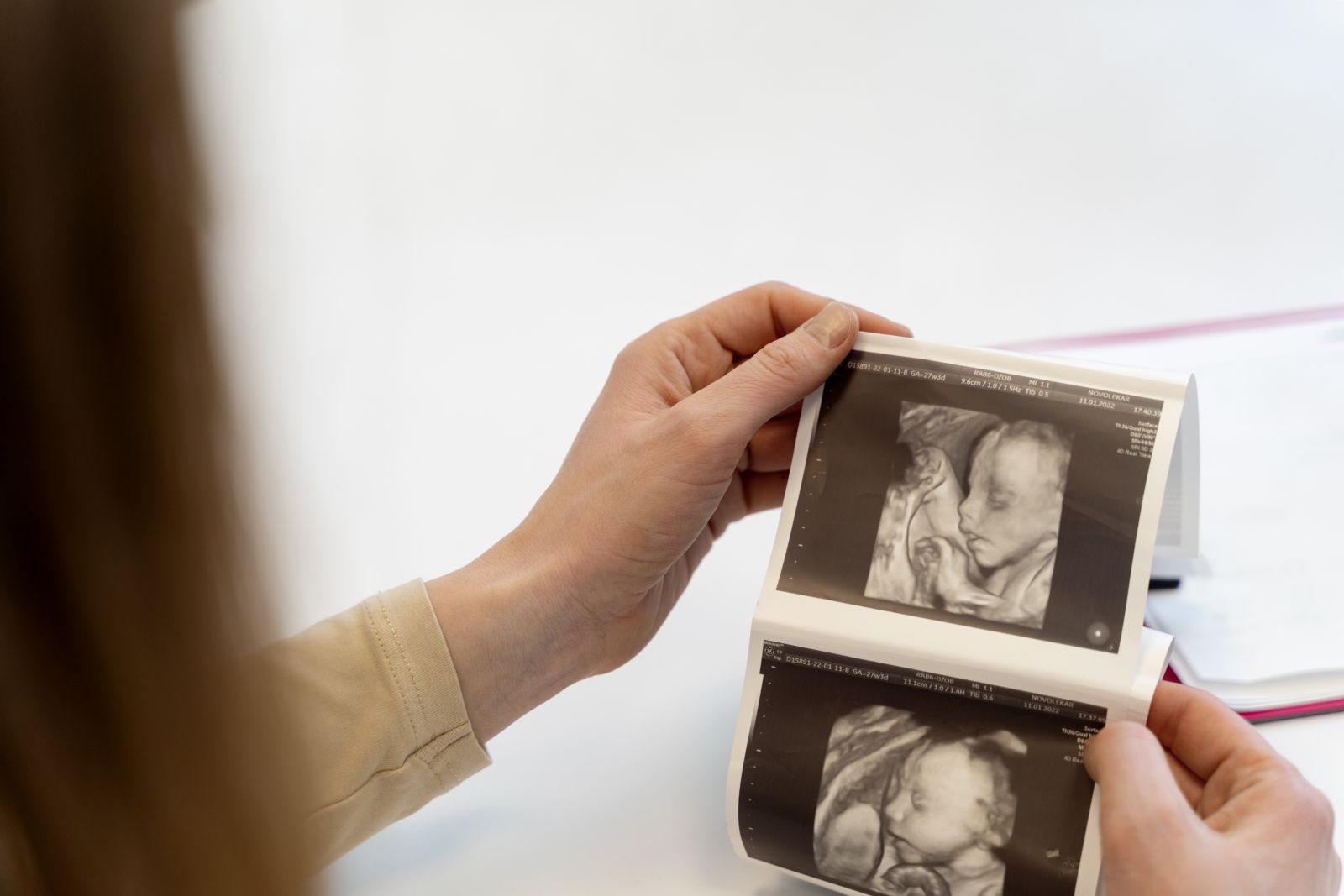
Placental abruption is examined using ultrasound and measures its severity
Treatment and Management:
Treatment depends on the severity and gestational age:
- Mild severity before 34 weeks may involve close monitoring.
- Stable cases may allow the mother to go home with rest and prescribed medication.
- Severe cases may require immediate delivery, especially if the fetus is full-term.
Remember, a detached placenta cannot be reattached. Treatment focuses on managing symptoms and ensuring the best outcome based on severity and gestational age.
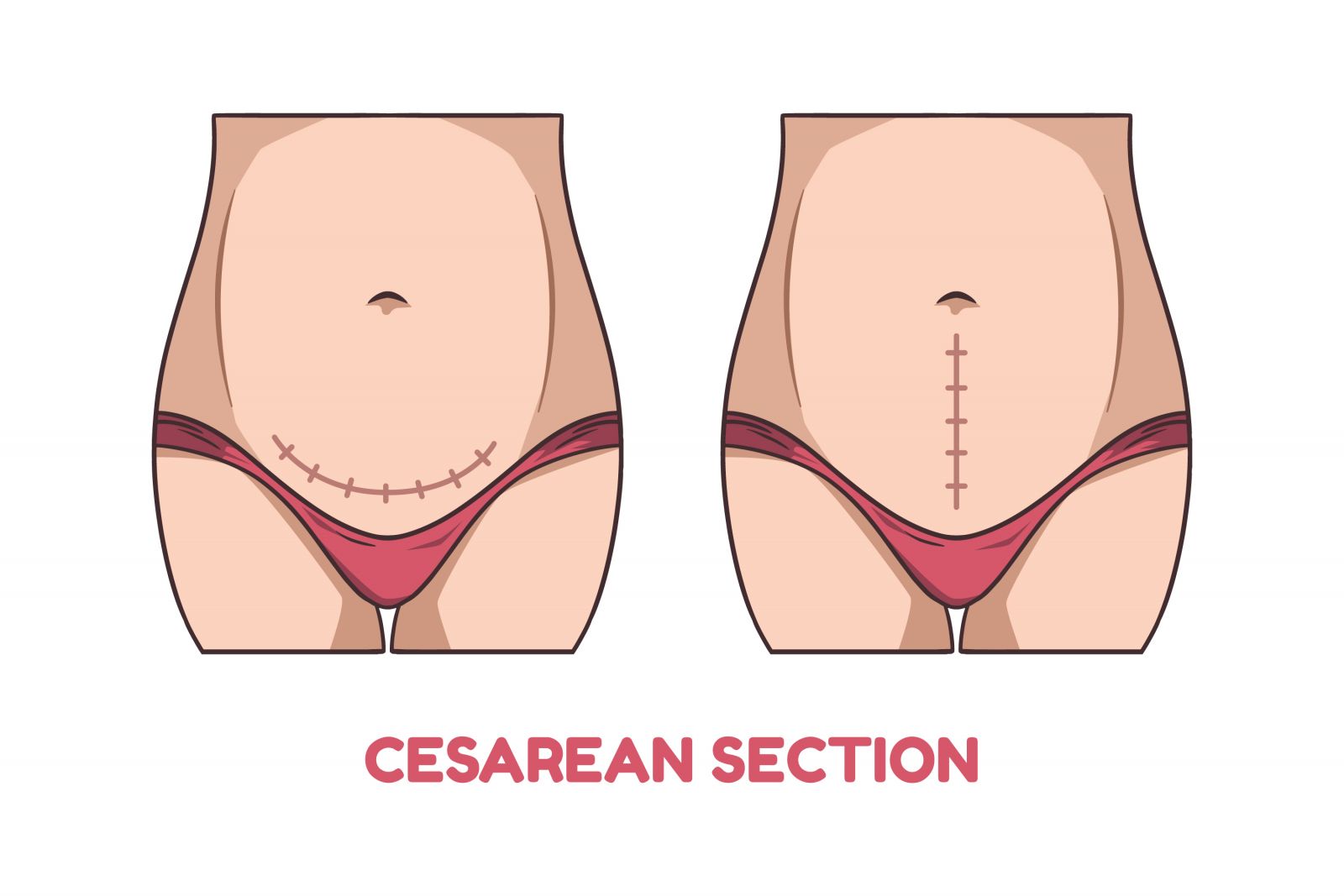
A caesarean section must be performed immediately if it is in a dangerous condition
That wraps up our exploration of placental abruption. Stay informed, beautiful ladies! For more insightful articles, head over to Fitie.