We often face children's habits ranging from cute to annoying because it impacts them badly. One of them is the habit of biting nails. Although challenging, the habit of biting nails must be removed so children don't get used to it until adulthood. In addition to admonishing him not to do this anymore, we also need to know what causes children to do it. In addition to admonishing him not to do this anymore, we also need to know what causes children to do it.
Why Do Children Have a Habit of Biting Their Nails?
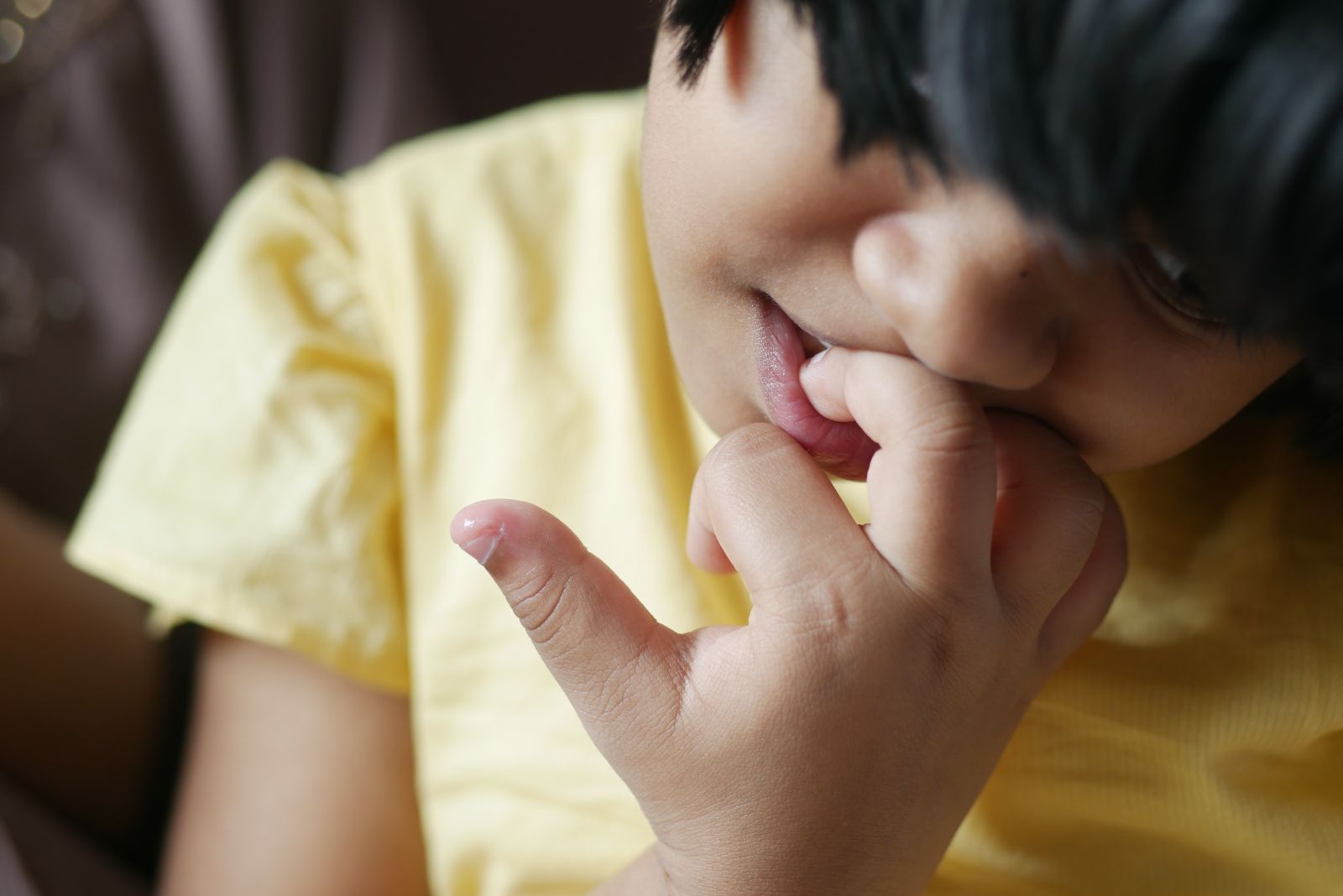
Nail biting is common for many children, especially when anxious, bored, or in a stressful situation. This activity can relieve any stress or negative feelings they may be experiencing. Also, some children may bite their nails because they see someone else doing it, such as a friend or family member.
The Importance of Stopping Nail Biting Habits
Although biting your nails may seem like a harmless habit at first, continuing to do it can have negative consequences, such as:
- Infection: Causing small cuts in the skin around the nails can increase the risk of bacterial or fungal infections.
- Nail Growth Impaired: Nail biting can cause nails to become damaged or grow abnormally.
- Tooth Decay: Some children may bite their nails with their teeth, which can cause damage to the teeth or gums.
- Social Distraction: Nail biting can cause shyness or anxiety in children when interacting with friends or other people.
Teaching Children to Stop Biting Their Nails
As parents, we can help our children overcome nail biting with a positive and supportive approach. Here are some steps that can be taken:
- Understand the Reason Why: Invite children to talk about why they bite their nails. Listen to them empathetically and determine if a particular problem or anxiety is causing this habit.
- Speak Softly: Encourage children to understand that biting their nails is not a good habit and explain why it is important to stop doing it. Make sure we speak softly and without blaming them.
- Offer Alternatives: Help your child find alternatives to relieve stress or anxiety that don't involve biting their nails. For example, they could try squeezing a stress ball, playing with a toy, or doing deep breathing exercises.
- Give Praise and Rewards: Praise your child when they stop biting their nails. Give rewards, such as praise or small prizes, to provide positive motivation.
- Cut Them Nails Short: Cut children's nails regularly and short so there is nothing for them to bite through.
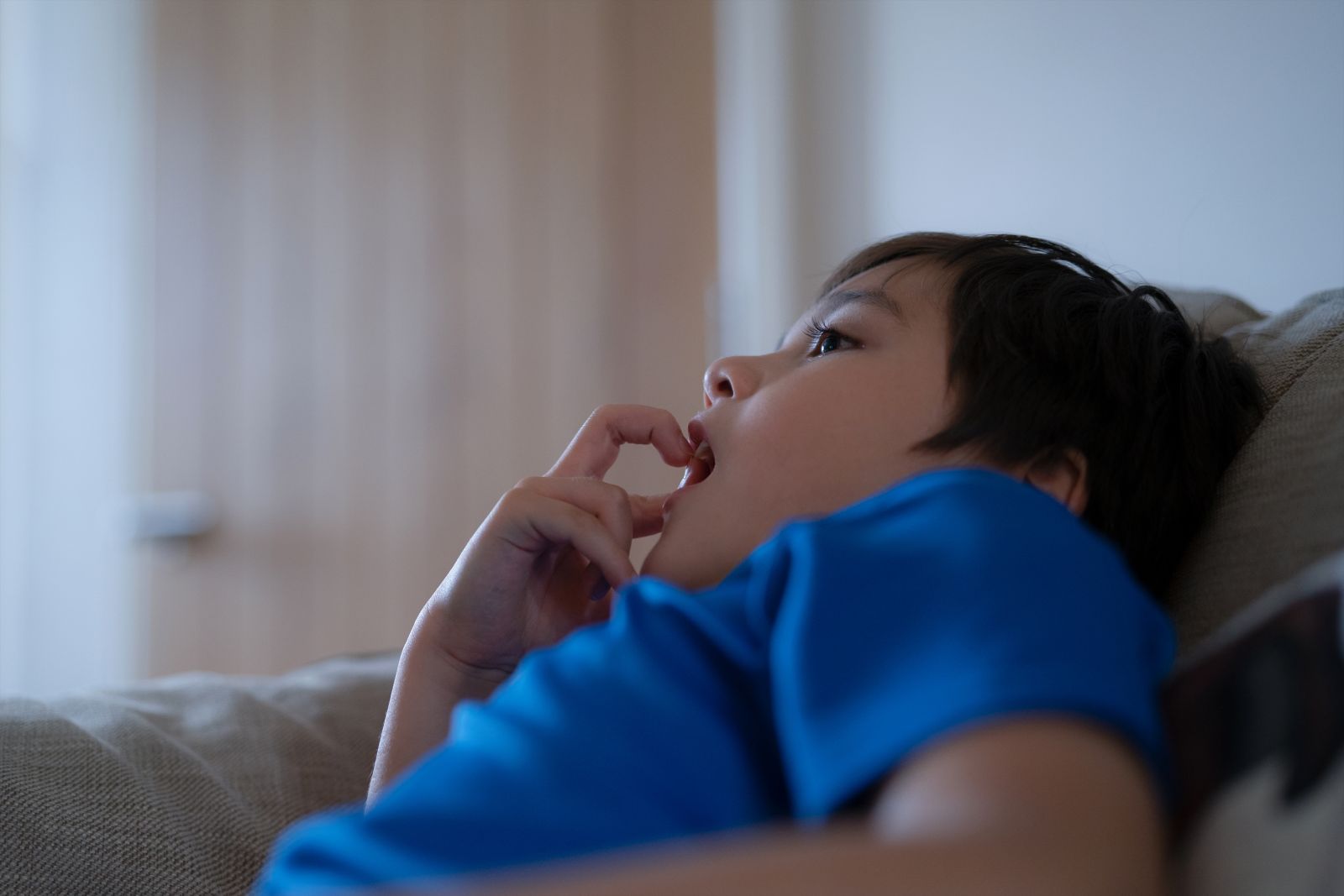
- Invite Children to Participate: If the children are old enough, have them practice to stop biting their nails. Let them plan ways to kick the habit and support them.
- Avoid Punishment: Avoid punishing children if they return to biting their nails. This will only increase their stress and anxiety, worsening the habit.
- Consult a Doctor: If your child continues to bite their nails despite your efforts and support, consider consulting a doctor or a pediatric health professional. They can provide additional advice or help address the underlying problem.
Teaching children to stop biting their nails requires patience and support from parents. By positively approaching these problems and providing healthy alternatives, we can help children overcome these habits and develop new ways to relieve stress or anxiety. Remember that every child is unique and different, so the right method for dealing with nail-biting may differ for each child.