Age 2-3 years is a very important developmental period for children. At this stage, children experience rapid growth and learning. One of the things we can do as parents or caregivers is introduce them to practical life skills or basic daily living skills. Teaching these skills can help build independence and strong living skills throughout their lives. Here are some practical skills that can be taught to 2-3-year-olds:
Practical Life Skills for Children Aged 2-3 Years
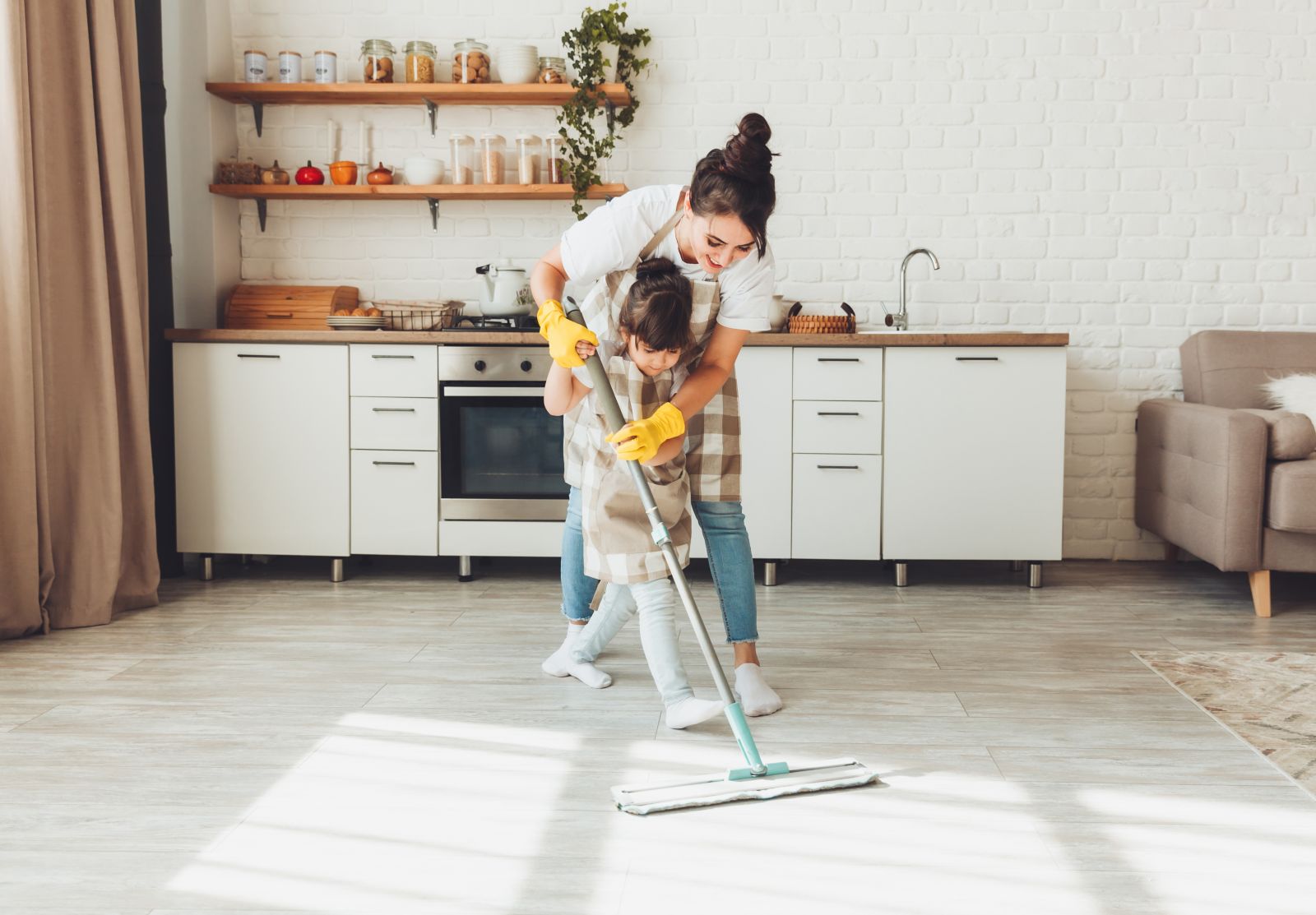
1. Cleaning Themselves Up
Teaching children to clean up after themselves is an important foundational skill. Teach them how to wash their hands with soap and water, wash their face after eating, and tidy their hair. This can help children develop good hygiene habits and increase their self-esteem.
2. Tidy Up Toys
Teach children to tidy up their toys after playing. Use fun methods such as singing songs or giving small rewards when they tidy up their toys well. This skill can teach them responsibility and obedience to rules.
3. Getting Dress Up Themselves
Even though they may need help, teach children to try to dress themselves. Choosing clothes, wearing socks, and closing zippers are the first steps they can take. This will improve their fine motor skills and independence.
4. Sweeping or Cleaning After Eating
After eating, teach children to sweep or clean up their food spills. This is a great way to introduce them to the concept of hygiene and the skills of cleaning up their environment.
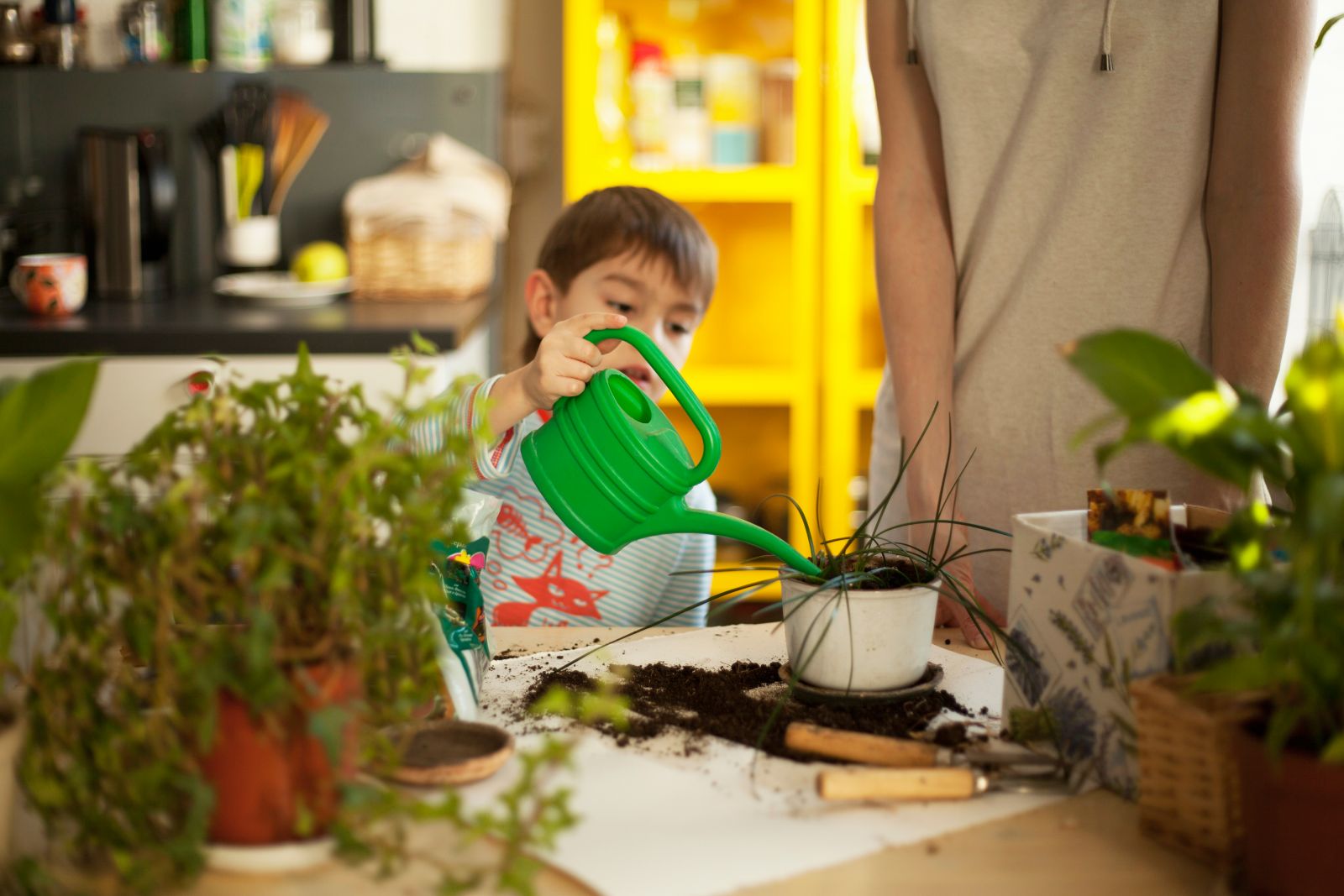
5. Taking care of Plants or Pets
If you have plants or pets at home, teach your children to look after them. Let them help feed the pets, water the plants, or clean up the pet food containers. This will help teach a sense of responsibility and empathy for other sentient beings.
6. Help in Food Preparation
Involving children in simple meal preparation is a great way to introduce them to cooking skills and the importance of healthy eating. Let them help wash fruit or vegetables, mix dough, or make simple sandwiches.
Introducing some of these skills to 2-3-year-olds is an important step in building a strong foundation for development. These skills help them become independent and teach them responsibility, cleanliness, and obedience to rules. Children can learn quickly by playing and interacting with their surroundings and develop skills that will benefit a lifetime. Always provide positive encouragement and support when they try to do new things.