Hello, wonderful ladies! Ever wondered about hemophilia and its impact on those who experience it? Let's dive into this rare inherited blood disorder together in this enlightening Fitie article.
What is Hemophilia?
Hemophilia is a rare inherited blood disorder where the blood fails to clot adequately, leading to prolonged and sometimes severe bleeding, even from minor injuries. This condition can result in spontaneous bleeding, internal bleeding, and joint pain or swelling due to internal bleeding. There are three main types of hemophilia:
- Hemophilia A: Lack of clotting factor 8 (most common).
- Hemophilia B: Lack of clotting factor 9.
- Hemophilia C: Lack of clotting factor 11 (very rare).
Symptoms of Hemophilia:
Hemophilia can have serious consequences, with bleeding posing a potential threat to life. The most common symptom is excessive or unusual bruising. Key symptoms include:
- Large bruises from minor injuries.
- Difficulty clotting after surgery, dental work, or wounds.
- Unexplained bleeding, like nosebleeds.
- Joint pain due to internal bleeding.
- Bleeding in the brain, gums, mouth, muscles, or soft tissues.
- Presence of blood in stool or urine.
- Heavy menstrual bleeding.
The severity of symptoms varies based on the degree of hemophilia, ranging from spontaneous bleeding in severe cases to prolonged bleeding in moderate cases, and unusual bleeding after significant events in mild cases.

The most common symptoms of hemophilia are bruising and difficulty in clotting blood
Causes of Hemophilia:
Hemophilia arises when the body doesn't produce sufficient blood clotting factors, essential for clot formation. This inadequacy heightens the risk of bleeding. The condition results from gene mutations controlling clotting factor development. While most gene mutations come from parents on the X chromosome in hemophilia types A and B, some occur spontaneously. Hemophilia C is caused by a recessive gene mutation.
Diagnosis:
Medical professionals typically conduct a thorough assessment, considering personal and family history, coupled with a physical examination. Blood samples are then taken to measure clotting factor levels. Diagnosis involves various tests like complete blood count, prothrombin time, and active partial thromboplastin time. The severity is determined based on clotting factor deficiency:
- Mild Hemophilia: 5-30% of normal clotting factors.
- Moderate Hemophilia: 1-5% of normal clotting factors.
- Severe Hemophilia: Less than 1% of normal clotting factors.
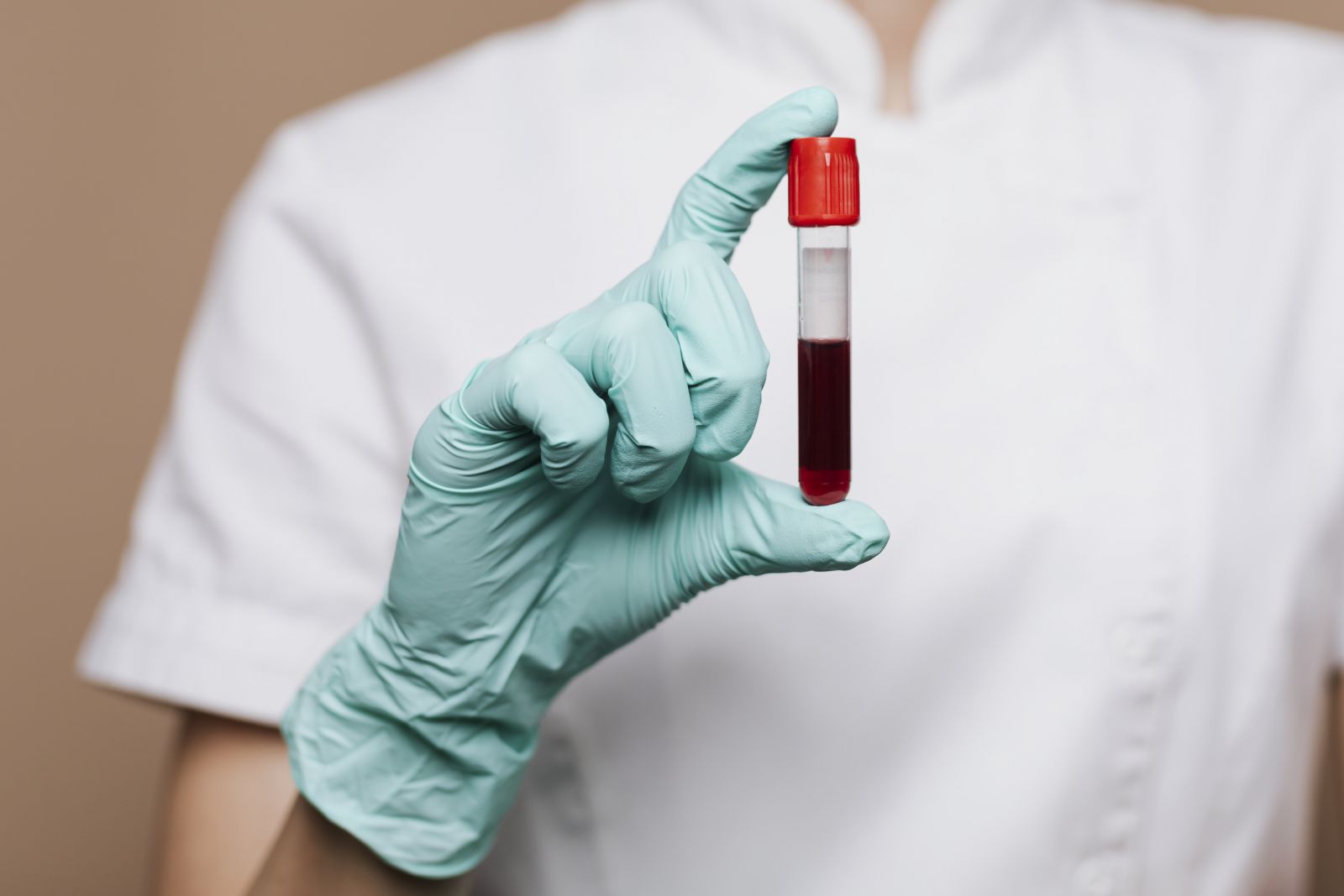
A blood sample will be tested to identify how much blood clotting factor is present
Treatment:
Treatment aims to replace the missing clotting factors, allowing individuals to form clots and prevent bleeding. Common treatments include:
- Replacement therapy using clotting factor 8 or 9 products.
- Non-factor replacement therapy.
- Aminocaproic acid to prevent clot breakdown.
- Physical therapy for joint issues caused by hemophilia.
Hemophilia is a rare inherited blood disorder causing improper blood clotting. With the right knowledge, understanding, and treatment, those affected can manage their condition effectively. Explore more on women's health at Fitie for valuable insights!
Stay informed, stay empowered!