Hello, amazing ladies! Today, let's dive into a crucial topic – body dysmorphic disorder (BDD). This mental health condition revolves around an individual perceiving flaws in their appearance that others don't see. Recognizing the symptoms early is essential, so let's shed light on them!
What is Body Dysmorphic Disorder?
Body dysmorphic disorder (BDD) is a mental health condition where individuals obsess over perceived flaws in their appearance, leading to detrimental effects on mental well-being. Sufferers often spend excessive time attempting to change these imagined flaws, a concerning behavior that can even escalate to self-harm or suicidal thoughts.
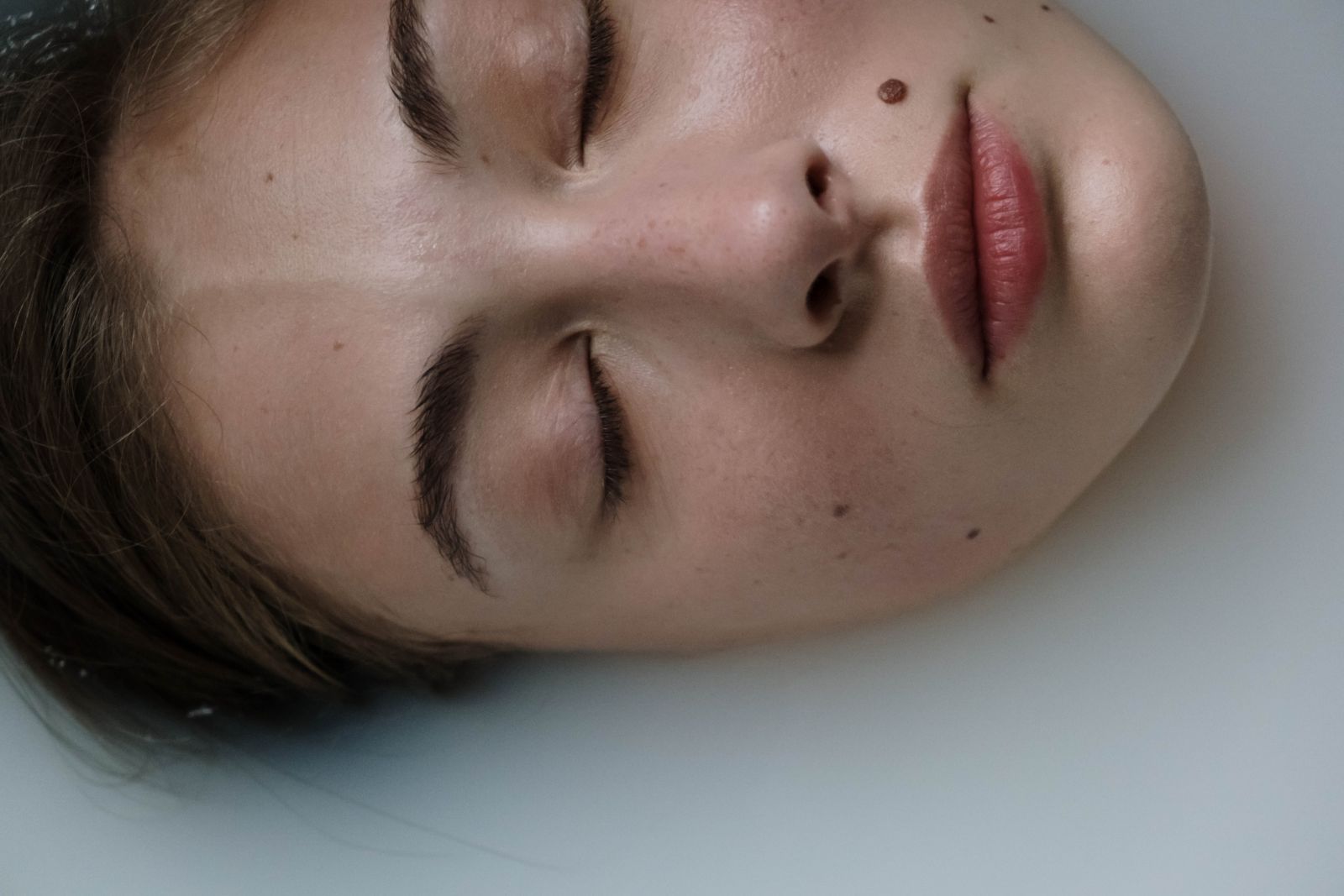
Body dysmorphic disorder is a health problem that occurs when someone perceives their body and appearance as something lacking
Symptoms to Look Out For:
BDD typically emerges in adolescence or early adulthood, causing individuals to harbor negative views about themselves. Common symptoms include:
- Excessive Focus on Flaws: Spending significant time fixating on a perceived flaw, not evident to others.
- Mirror Checking: Repeatedly checking one's appearance in mirrors or discomfort with being photographed.
- Constant Appearance Changes: Frequently altering appearance aspects like hairstyle or clothing to mask perceived flaws.
- Selfie Obsession: Taking excessive selfies or using photo editing to modify perceived imperfections.
- Concerns About Judgement: Worrying about negative comments from others regarding their appearance.
- Extreme Measures: Undertaking multiple cosmetic surgeries to address perceived flaws.
- Harmful Thoughts: Experiencing thoughts of self-harm or suicide due to appearance concerns.
Possible Causes:
While the exact cause of BDD remains unclear, contributing factors may include:
- Genetics: Higher likelihood if a close family member has BDD.
- Brain Structure: Differences in brain activation patterns.
- Cultural Influence: Impact of societal beauty standards.
- History of Violence or Bullying: Childhood experiences may contribute.
Diagnosis:
Diagnosing BDD involves a comprehensive assessment of symptoms, thought patterns, behavior, and family history. A questionnaire may be utilized to determine if an individual meets BDD criteria.
Don't Hesitate, Seek Help:
Diagnosis may be delayed as individuals may downplay symptoms or fear seeking professional help. If you notice symptoms in yourself or a loved one, don't hesitate to consult a doctor. Early intervention is crucial.

If you feel the symptoms, immediately visit a specialist
Treatment Options:
BDD, if left untreated, can severely impact daily life. Treatment avenues include:
- Psychotherapy: Cognitive-behavioral therapy (CBT) or family therapy.
- Medication: Antidepressants may be prescribed.
Understanding body dysmorphic disorder is the first step toward seeking help. If you recognize these symptoms, consider consulting a specialist or utilizing Fitie's online consultation service. Your mental well-being matters!
Stay strong, stay fabulous!