Hello lovely ladies! Worried about thinning hair around your forehead and sides? It might be Frontal fibrosis alopecia (FFA). Let's dig into this topic to understand more and explore ways to tackle it in this Fitie article.
What is Frontal Fibrosing Alopecia (FFA)?
FFA is a condition where hair loss occurs along the front and sides of the scalp. Unfortunately, it tends to worsen over time. Primarily affecting postmenopausal women, it can, however, occur at a younger age. Those with a family history of FFA, rosacea, thyroid disease, or type 2 diabetes have a higher risk.
Symptoms of Frontal Fibrosis Alopecia:
Watch out for signs like hair loss along your hairline and sides. Initially subtle, it progressively worsens. The affected skin may appear normal, pale, scarred, or shiny. Interestingly, about 80-90% of women with FFA also experience eyebrow loss. Other features include:
- Hyperpigmentation: Dark brown or gray patches on the face and neck.
- Itchy or painful scalp: Some might experience discomfort.
- Enlarged blood vessels in the forehead: Noticeable redness.
- Rosacea: A skin condition leading to redness and visible blood vessels.
- Small yellow bumps or pimples: Near the hairline, face, or scalp.
While rare, some may experience hair loss in areas like arms, legs, eyelashes, armpits, face, or the pubic area.
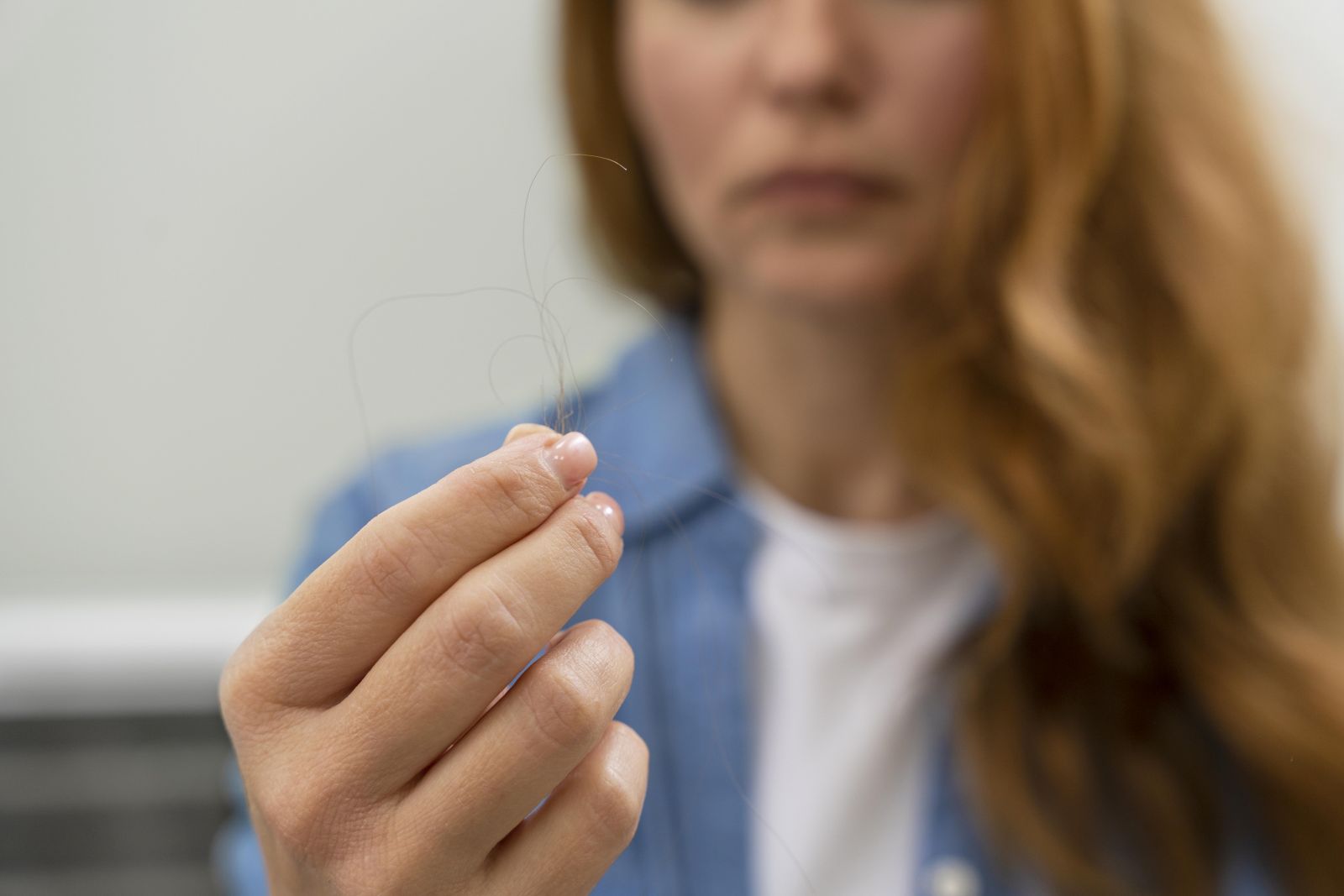
Hair loss is not only around the hairline but can also occur in the eyebrows
Causes of Frontal Fibrosis Alopecia:
The exact cause is unknown, but researchers suspect a genetic link due to familial occurrences. Autoimmune diseases, hormonal factors, facial/hair treatments, and environmental factors like sun exposure could contribute. Additionally, viral infections, medications, and dietary habits might play a role.
Diagnosis:
Doctors rely on medical history, medication records, and symptom discussions for diagnosis. A biopsy may be performed if needed. Other tests might include a gentle hair-pulling test and examining lumps on the face under a microscope to rule out other conditions.
Treatment:
FFA is typically treated with a combination of medications, including antibiotics, corticosteroids, Propecia, hydroxychloroquine, and minoxidil. Hair transplants and laser therapy are also viable options. Treatment is a gradual process, taking around 6-12 months to witness progress.
Early intervention is crucial, as untreated FFA often leads to irreversible hair loss, spreading across the affected area. Once the hair follicle is damaged, regrowth becomes challenging.
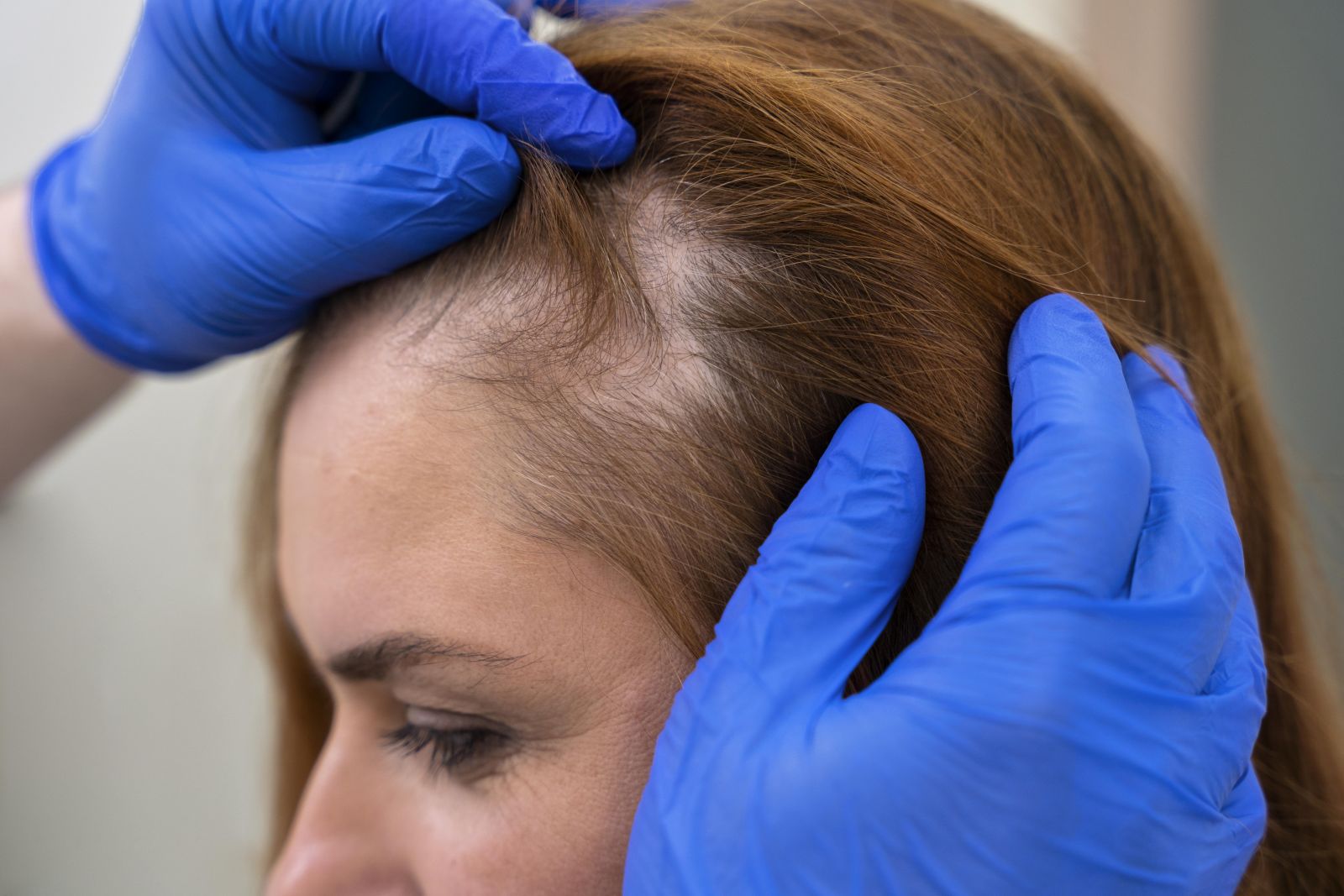
FFA needs to be treated early to prevent continued loss
Ladies, remember to address hair loss promptly to prevent its progression. If you have concerns or questions, Fitie offers an online consultation service. Take charge of your hair health!
Stay fabulous, stay informed!