Hello lovely ladies! Ever wondered why someone appears shorter than their age? Turner syndrome might be the reason. Intrigued? Let's explore the characteristics of Turner syndrome together in this Fitie article.
Turner syndrome is a genetic disorder exclusive to women, originating from birth. It occurs when a woman, who should naturally have two X chromosomes, only possesses one. Unlike inherited conditions, changes to these chromosomes happen randomly before birth.
Recognizing the Characteristics:
The primary characteristic of Turner syndrome is short stature. Individuals with this condition typically experience slower growth during childhood and adolescence, delayed puberty, absence of a growth spurt, and an average adult height of 4 feet 8 inches (142 cm).
Other characteristics involve the development of sex-related features, such as:
- Lack of breast growth
- Absence of menstruation
- Small or non-functional ovaries
- Delayed puberty without hormone therapy
- Insufficient production of sex hormones
Women with Turner syndrome exhibit physical features like a broad chest, cubitus valgus (arms slightly turned toward the elbow), dental or eye issues, scoliosis, multiple moles, low hairline at the back of the neck, loss of knuckles on fingers or toes, narrow nails, small lower jaw, swollen hands and feet, wide neck, and a webbed neck.

Apart from being short, Turner syndrome is characterized by a widened neck | photo credit to elsevier
Causes:
Turner syndrome arises from the loss or absence of one X chromosome, resulting in only one complete X chromosome. This condition occurs randomly and isn't tied to the mother's age. Turner syndrome has various types, including:
- Monosomy X: Complete absence of one X chromosome.
- Mosaic Turner Syndrome: One complete X chromosome with the other partially or completely missing.
- Inherited Turner Syndrome: Occurs when both parents have Turner syndrome, leading to a partial loss of the X chromosome.
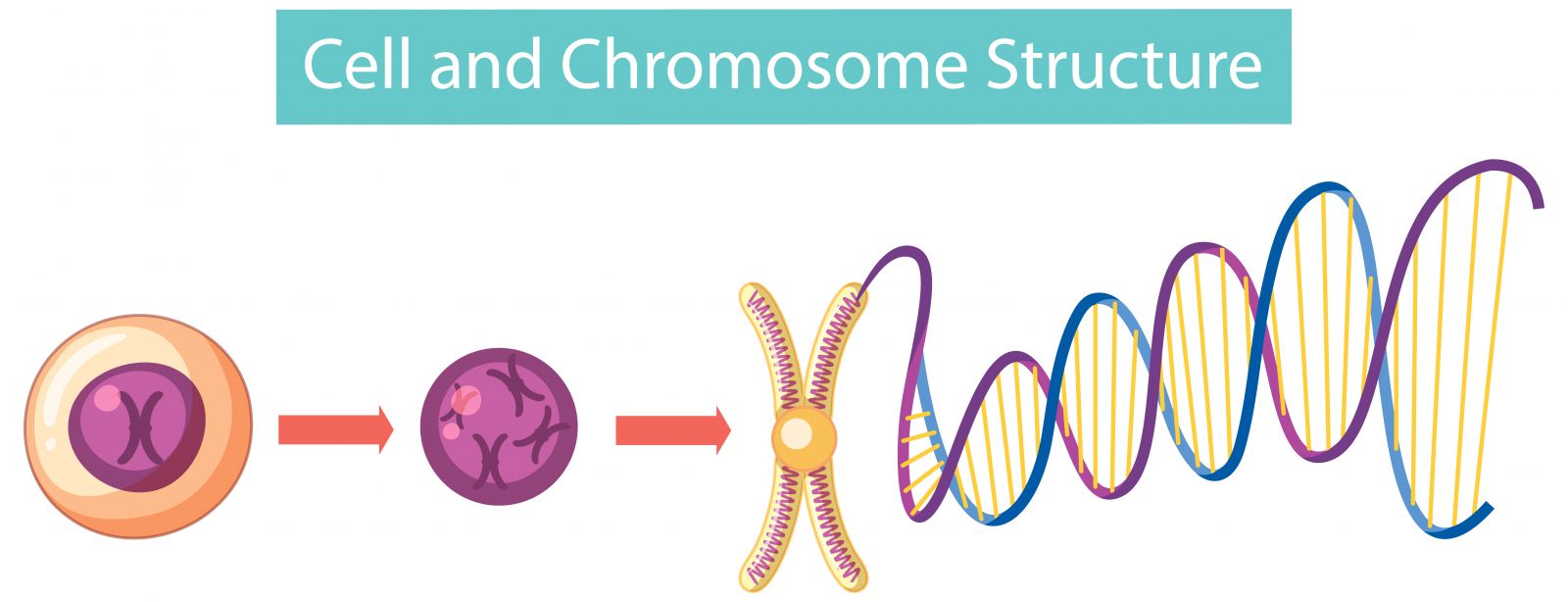
Women with Turner syndrome only have 1 complete X chromosome
Diagnosis:
Turner syndrome is often identified during childhood or puberty. Parents may notice physical signs like swelling in hands or feet, absence of breast development, short stature, and lack of menstruation. Diagnosis involves karyotype analysis to identify the extent of missing X chromosomes. Additionally, prenatal screening can detect Turner syndrome before birth through methods like maternal serum screening, amniocentesis, and ultrasonography.
Treatment:
Management of Turner syndrome involves hormone therapies, such as growth hormone therapy to enhance height and estrogen therapy for breast development, menstruation, and uterus growth. Fertility treatments like in vitro fertilization (IVF) may be considered for those wishing to conceive.
Psychological support, including counseling or cognitive-behavioral therapy (CBT), is recommended for individuals facing emotional challenges. Due to potential learning difficulties, extra support from schools is crucial.
In essence, Turner syndrome occurs when a woman possesses only one complete X chromosome, with the other partially or entirely missing. Short stature is a primary characteristic, and treatment includes hormone therapies, psychological support, and assistance from family and schools. Explore more articles on Fitie for valuable insights!
Stay informed, stay empowered!