Hey, wonderful ladies! Ever heard of endometrial hyperplasia? It's uncommon, but it's essential to know, especially if you're navigating through the transition period or have recently completed menopause. Let's dive into the details with this Fitie article.
What's Endometrial Hyperplasia?
Endometrial hyperplasia is a condition where the lining of the uterus (endometrium) becomes too thick. This thickening can lead to endometrial cancer in women, particularly those in the transition phase or post-menopause. Here are the main types:
1. Simplex or Complex Endometrial Hyperplasia (Without Atypia):
- Cells appear normal and have a low likelihood of turning cancerous.
- Treatable, with a low progression rate to cancer (1-3%).
2. Simple or Complex Endometrial Hyperplasia (With Atypia):
- Higher chance of developing into cancer.
- Requires treatment, with a higher progression rate to cancer (8-29%).
Spotting the Signs:
Endometrial hyperplasia can cause abnormal bleeding:
- Heavy menstrual bleeding.
- Bleeding or spotting between menstrual cycles.
- Post-menopausal bleeding.
Other symptoms may include a shortened menstrual cycle or the absence of menstruation. Complications like anemia can arise due to abnormal bleeding.
Root Causes:
The condition stems from a hormonal imbalance, specifically elevated estrogen and insufficient progesterone. Ovulation triggers the thickening of the uterine wall by estrogen, while progesterone readies the uterus for pregnancy. In cases where ovulation doesn't occur, a lack of progesterone leads to the accumulation of the uterine lining, causing it to thicken.
Risk Factors:
- Overweight or obesity.
- Lack of ovulation due to perimenopause or PCOS.
- Hormone replacement therapy for breast cancer.
- Hormone-producing tumors.
- Diabetes.
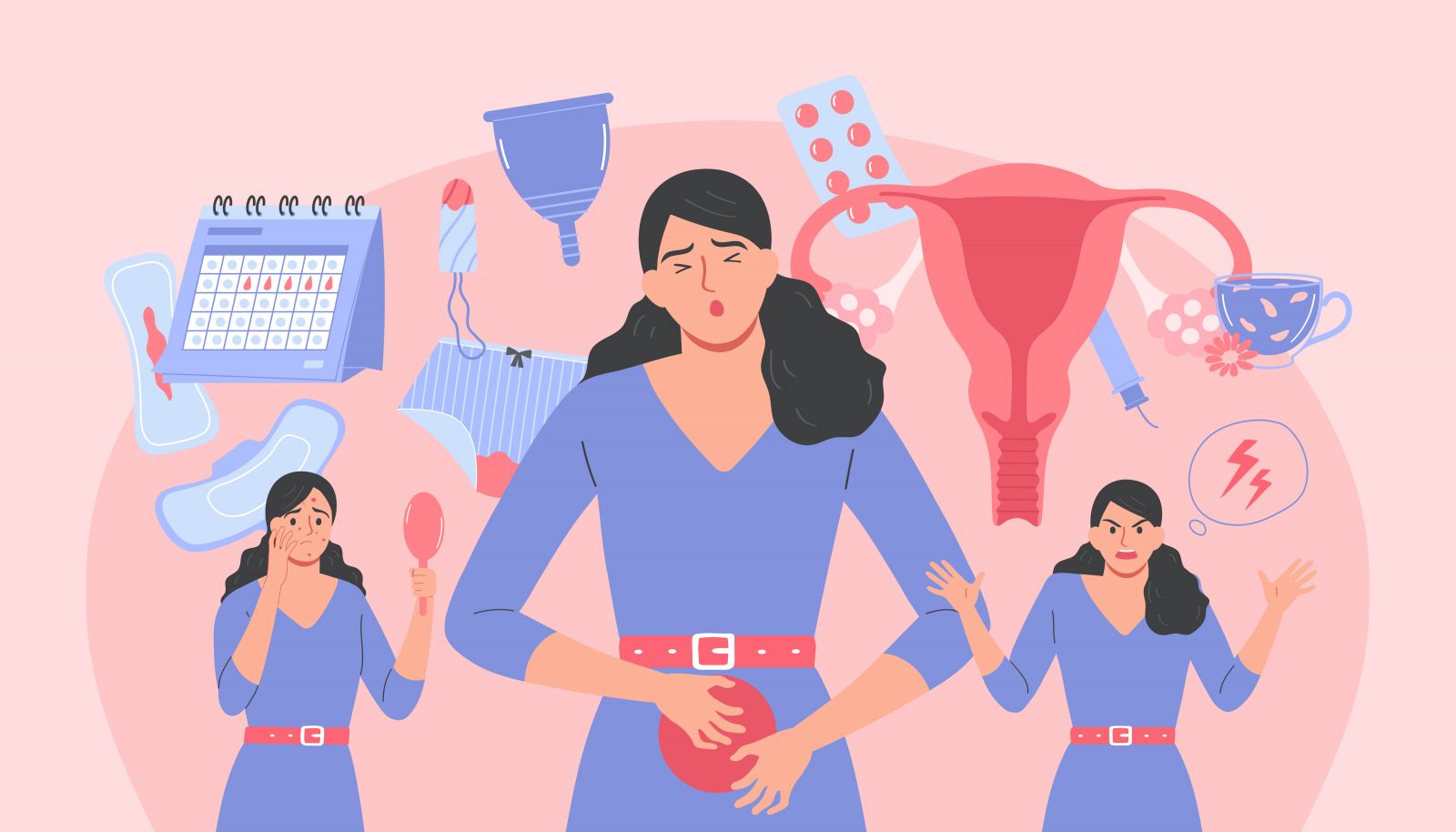
Endometrial hyperplasia occurs due to hormonal imbalance
Getting to Diagnosis:
To confirm endometrial hyperplasia, tests may include:
- Endometrial biopsy.
- Hysteroscopy (a procedure to observe the uterine lining).
- Transvaginal ultrasound.
Crafting a Treatment Plan:
Treatment aims to prevent endometrial cancer development. Strategies include:
- Lifestyle changes: Weight management to reduce estrogen production.
- Medication: Progestin treatment to counter the thickening effect of estrogen.
- Surgical options: Hysterectomy (removal of the uterus) in severe cases.

Endometrial hyperplasia occurs due to hormonal imbalance
To Remove or Not to Remove:
Hysterectomy isn't the initial choice for treating endometrial hyperplasia without atypia. However, in certain circumstances, like no improvement or relapse after treatment, surgical removal might be considered.
For endometrial hyperplasia with atypia, a hysterectomy is recommended, especially if you're done having children. If pregnancy is still on the horizon, levonorgestrel IUD treatment is advised.
Remember, ladies, understanding your body is key. If you have more questions or need personalized guidance, explore Fitie's online consultation service.