Hello, wonderful ladies! Today, let's unravel the mysteries of a less-known but fast-spreading breast cancer - Inflammatory Breast Cancer (IBC). Unlike typical breast cancers, IBC doesn't manifest as lumps. Curious to know its signs? Dive into this Fitie article for a clearer understanding.
Inflammatory Breast Cancer (IBC) 101:
IBC is a rare form of breast cancer, constituting only 1-5% of all cases. What sets it apart is its rapid cell spread, making it distinctive from other breast cancers. The unique aspect? IBC doesn't form discernible lumps; it makes its presence known through skin changes, resembling an orange peel texture.
Spotting the Signs:
As IBC doesn't produce lumps, mammograms might not detect it. Recognizing IBC involves observing symptoms akin to an infection, leading to potential confusion. However, IBC symptoms emerge swiftly, typically within 3-6 weeks. Keep an eye out for:
- Change in breast color (red, pink, purple)
- Bruising or rash covering a third of the breast
- Skin texture resembling an orange peel
- Pain, swelling, itching, tenderness, or tightness in one breast
- Warmth, burning sensation, or heaviness
- Enlargement of one breast
- Inverted nipples
- Swollen lymph nodes near the armpit or collarbone
Experiencing these signs doesn't confirm IBC; they might also indicate a common breast infection or swelling (mastitis). Consult a healthcare professional for a thorough evaluation.
Root Causes:
Inflammation results from cancer cells obstructing lymph vessels draining the breast's lymph fluid. The exact trigger for cells turning malignant remains unknown. Certain factors heighten IBC susceptibility, including:
- Female gender
- Age below 40
- Being overweight or obese
- Black ethnicity
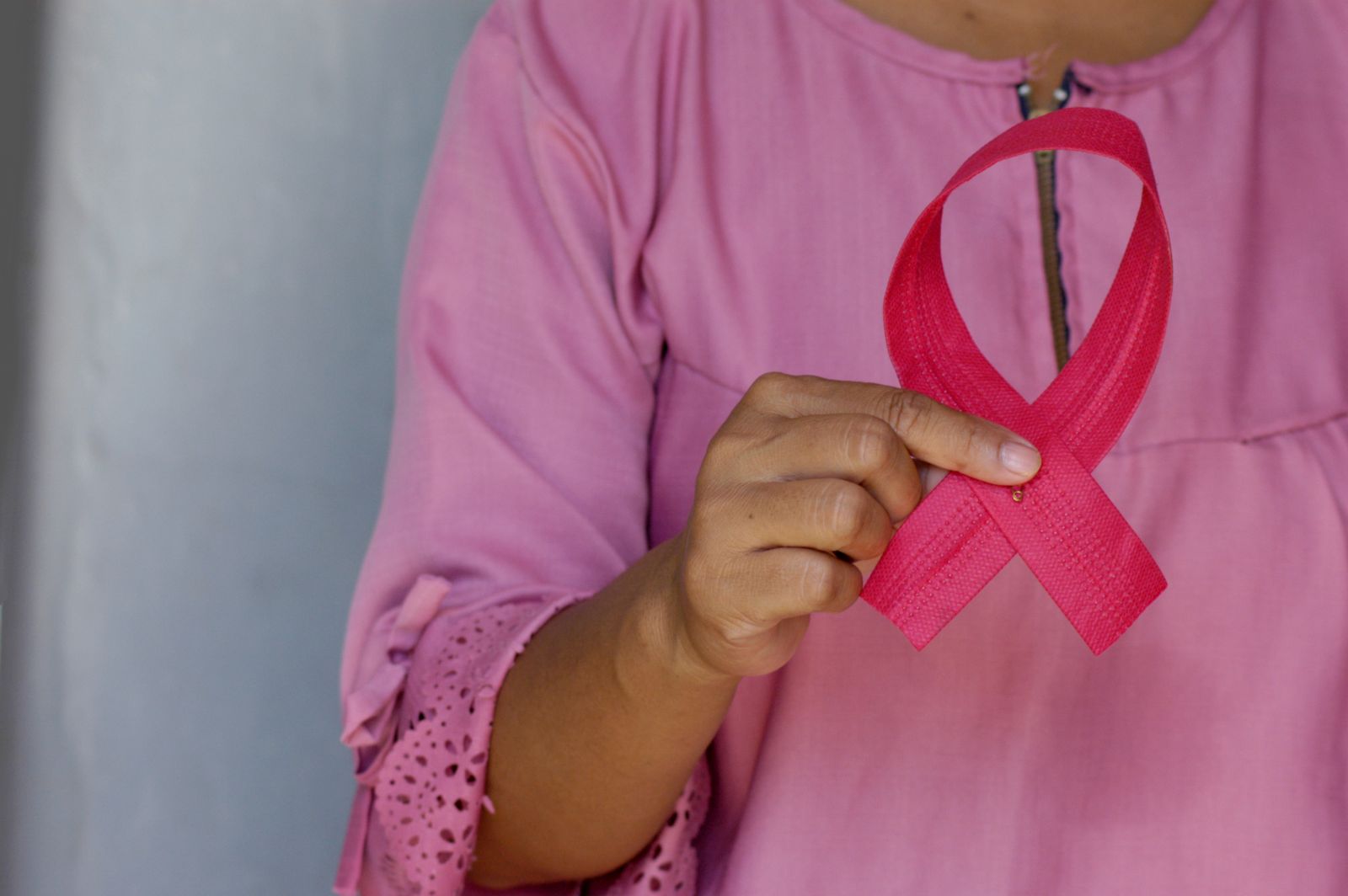
Inflammatory breast cancer is more likely to occur in women aged less than 40 years, overweight, or black
Diagnosis of Inflammatory Breast Cancer:
IBC often reveals itself in advanced stages (at least stage 3), as it infiltrates the skin. Diagnosis typically involves:
- Imaging Tests: Mammograms, ultrasounds, and MRIs help identify redness or swelling before treatment initiation.
- Biopsy: Tissue examination determines the cancerous nature.
Biopsy results usually indicate stages 3 or 4, signifying spread to the skin or distant organs. Additional tests, such as CT, bone, MRI, and PET scans, assess the spread of cancer.
Navigating Treatment:
Women with IBC face a challenging prognosis compared to other breast cancers. Treatment aligns with conventional cancer care - chemotherapy, surgery, and radiation. New treatments like immunotherapy, hormone therapy, and targeted therapy offer hope.

Remember, you're not alone!
Inflammatory Breast Cancer reveals itself through a rash and an orange peel-like texture. Its aggressive nature often places it at stage 3 during diagnosis. For more questions, leverage Fitie's online consultation service for efficient guidance. Stay informed, stay strong!